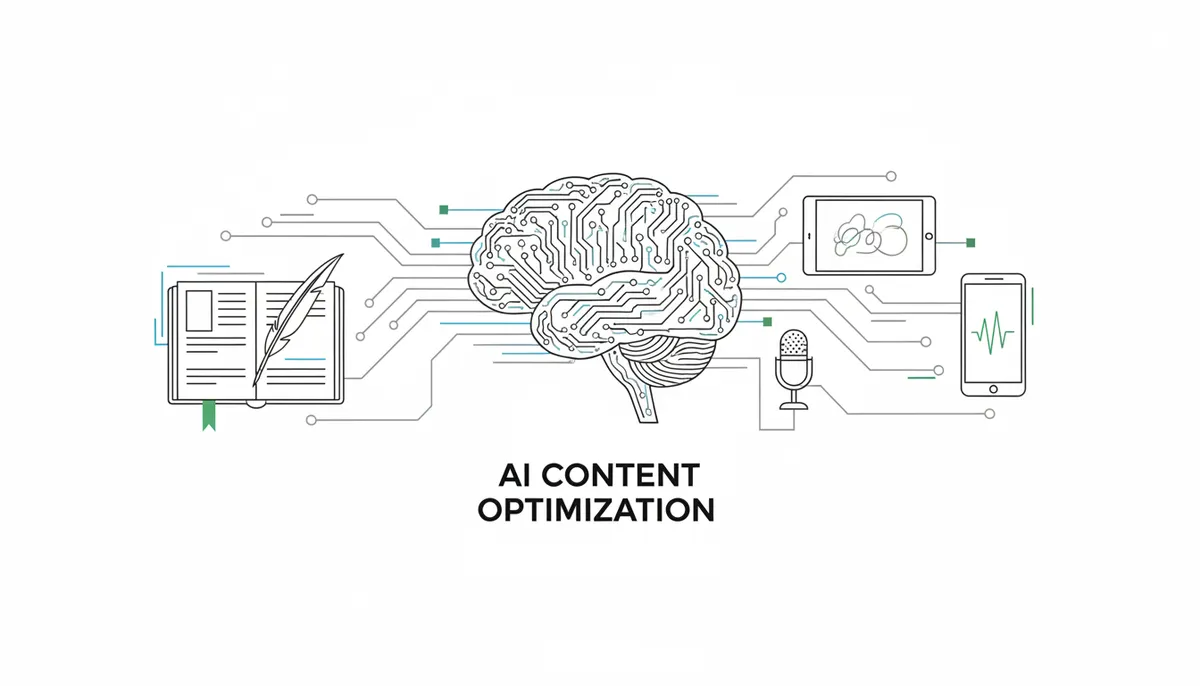
AI content optimization techniques for effective digital marketing
AI Content Optimization Techniques for Effective Digital Marketing AI content optimization techniques combine artificial intelligence with strategic content...
AI Content Optimization Techniques for Effective Digital Marketing
AI content optimization techniques combine artificial intelligence with strategic content creation to boost search rankings, engagement rates, and conversion performance. These methods automate keyword research, enhance content relevance through user intent analysis, and provide real-time performance monitoring that traditional approaches cannot match.
Modern digital marketing demands speed and precision. You publish content faster than ever, but standing out requires more than volume. Using an AI content optimization platform gives you the edge by automating time-consuming tasks while maintaining the quality standards your audience expects.
The shift toward AI-powered content strategies is accelerating. Teams that master these techniques report significant improvements in organic traffic and user engagement. They spend less time on manual optimization and more time on strategic decisions that drive business growth.
This guide reveals the specific AI content optimization techniques that transform your marketing results. You'll discover proven methods for content creation, user intent analysis, performance monitoring, and real-world case studies that demonstrate these strategies in action.
1. Understanding AI Content Optimization
AI content optimization represents a fundamental shift from manual content processes to intelligent automation. Unlike traditional methods that rely on guesswork and time-intensive research, AI systems analyze vast datasets to identify patterns, predict performance, and suggest improvements in real-time.

The importance in digital marketing cannot be overstated. Content teams face mounting pressure to produce more while maintaining quality. AI content optimization techniques solve this challenge by handling repetitive tasks like keyword research, competitor analysis, and performance tracking automatically.
Modern AI systems process search data, user behavior patterns, and content performance metrics simultaneously. They identify content gaps your competitors miss and suggest optimization strategies based on actual search trends rather than assumptions.
The business impact is measurable. For any modern company implementing AI content optimization techniques, the results include faster content production cycles, improved search rankings, and higher user engagement rates. The technology eliminates bottlenecks that traditionally slow content teams down.
What Makes AI Content Optimization Unique?
Traditional content optimization requires manual keyword research, competitor analysis, and performance tracking. AI content optimization techniques automate these processes while providing insights human analysts might miss.
The automation extends beyond simple content generation. AI systems analyze search intent, identify semantic relationships between topics, and predict which content formats will perform best for specific queries. This level of analysis would take human teams weeks to complete manually.
AI content optimization enhances SEO performance through continuous learning. The systems adapt to algorithm changes, seasonal trends, and shifting user preferences without requiring manual intervention. Your content strategy evolves automatically based on performance data.
Speed is another differentiator. AI can generate content briefs, identify optimization opportunities, and suggest improvements within minutes. This rapid feedback loop allows teams to test and refine strategies much faster than traditional approaches allow.
2. Key Techniques for AI-Driven Content Creation
AI-driven content creation starts with intelligent topic research. Advanced AI systems explore topic landscapes automatically, identifying content gaps and emerging trends before they become competitive. This proactive approach gives you first-mover advantage in new content areas.

The content generation process itself has evolved significantly. Modern AI content optimization techniques include automated outline creation, section-by-section content development, and real-time optimization suggestions. These systems maintain brand voice consistency while scaling production capacity.
Data analytics integration transforms how content decisions are made. AI systems analyze search volumes, competition levels, user intent signals, and seasonal trends simultaneously. This comprehensive analysis ensures every piece of content targets genuine opportunities rather than vanity metrics.
Quality control remains paramount in AI-driven content creation. The best AI content optimization techniques include built-in fact-checking, plagiarism detection, and brand voice validation. These safeguards ensure automated content meets the same standards as manually created pieces.
Choosing the Right AI Tools
The AI content tool landscape offers numerous options, each with distinct strengths. Enterprise-level platforms like AirOps provide comprehensive workflow automation, while specialized tools focus on specific aspects like keyword research or content optimization.
Selection criteria should prioritize integration capabilities, scalability, and learning capacity. The best AI content optimization techniques require tools that connect with your existing marketing stack and adapt to your specific industry requirements.
Consider the tool's ability to handle your content volume and complexity. Some AI systems excel at blog post generation but struggle with technical documentation or product descriptions. Match tool capabilities to your specific content needs.
| Tool Category | Primary Function | Best For | Integration Level |
|---|---|---|---|
| Content Generation | Automated writing and editing | Blog posts, social media | CMS integration |
| SEO Optimization | Keyword research and analysis | Search-focused content | Analytics platforms |
| Performance Monitoring | Content analytics and insights | Strategy optimization | Full marketing stack |
| Workflow Automation | End-to-end content processes | Enterprise teams | Custom API connections |
3. Enhancing Content Relevance with User Intent
User intent analysis forms the foundation of effective AI content optimization techniques. Modern search behavior has shifted toward conversational queries and specific problem-solving requests. AI systems excel at identifying these nuanced intent patterns that traditional keyword tools miss.
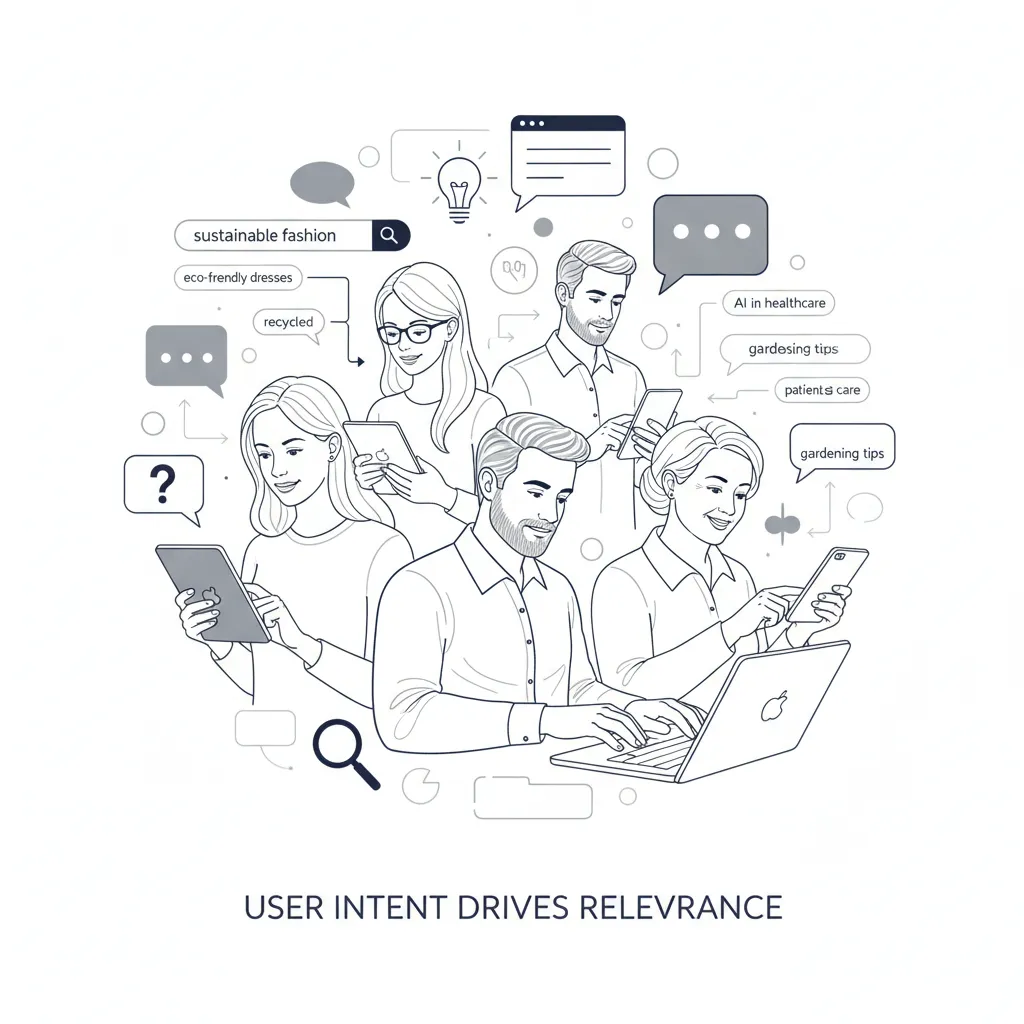
Understanding user search behavior requires analyzing multiple data sources simultaneously. AI content optimization techniques process search query variations, click-through patterns, time-on-page metrics, and conversion data to build comprehensive user intent profiles.
Aligning content with user intent goes beyond matching keywords. AI systems analyze the context surrounding search queries, seasonal variations, and demographic factors that influence search behavior. This deep analysis ensures your content addresses the real problems users want to solve.
The alignment process includes content format optimization. AI determines whether users prefer step-by-step guides, comparison tables, or video content for specific queries. This format intelligence significantly improves user satisfaction and search performance.
Intent-based content optimization also considers the user's position in the buying journey. AI content optimization techniques automatically adjust content depth, technical complexity, and call-to-action placement based on whether users are researching, comparing, or ready to purchase.
Techniques for Analyzing User Intent
Keyword analysis has evolved beyond simple search volume metrics. Modern AI content optimization techniques examine query modifiers, related searches, and semantic relationships to understand the complete intent behind user searches.
Advanced systems analyze SERP features like featured snippets, People Also Ask sections, and related searches to identify content gaps and optimization opportunities. This competitive intelligence reveals what users actually want rather than what you think they want.
User feedback mechanisms provide direct insight into content effectiveness. Every entrepreneur can benefit from AI systems that analyze comments, social media mentions, and support tickets to identify content areas that need improvement or expansion.
Behavioral analytics reveal intent through user actions rather than stated preferences. AI tracks how users navigate your content, where they spend time, and what actions they take. This behavioral data informs content optimization decisions with concrete performance evidence.
4. Continuous Performance Monitoring and Optimization
Performance monitoring in AI content optimization techniques operates in real-time rather than monthly reporting cycles. Modern systems track content performance across multiple metrics simultaneously, identifying optimization opportunities as they emerge rather than after problems develop.
Analytics importance in content strategy has grown exponentially with AI capabilities. Traditional analytics show what happened; AI content optimization techniques predict what will happen and suggest proactive improvements before performance declines.
The monitoring scope extends beyond traditional SEO metrics. AI systems track user engagement signals, conversion pathways, and content freshness indicators. This comprehensive monitoring ensures optimization efforts focus on metrics that actually drive business results.
Tools for tracking performance have become more sophisticated and automated. Modern AI content optimization techniques include predictive analytics that forecast content performance based on early engagement signals and competitive landscape changes.
Performance data feeds directly into content optimization workflows. AI systems automatically suggest title improvements, meta description updates, and content additions based on performance analysis. This closed-loop optimization ensures continuous improvement without manual intervention.
Setting Up Analytics Tools
Analytics tool selection should prioritize integration capabilities and AI-powered insights. The best analytics platforms for AI content optimization techniques provide automated reporting, anomaly detection, and optimization recommendations rather than just data visualization.
Implementation best practices include establishing baseline metrics, setting up automated alerts, and creating performance dashboards that highlight optimization opportunities. The goal is actionable insights rather than data overload.
Tool integration ensures seamless data flow between content creation, optimization, and performance monitoring systems. This integration enables AI content optimization techniques to operate autonomously while maintaining human oversight of strategic decisions.
Regular calibration keeps analytics tools aligned with business objectives. AI systems learn from your specific performance patterns and optimization preferences, becoming more accurate over time.
5. Case Studies of Successful AI Content Strategies
Real-world implementations of AI content optimization techniques demonstrate measurable business impact across various industries. Companies that fully embrace AI-powered content strategies consistently outperform competitors using traditional methods.
E-commerce companies have seen particularly strong results from AI content optimization techniques. Automated product description generation, personalized content recommendations, and dynamic pricing content updates have improved conversion rates significantly.
SaaS companies leverage AI content optimization techniques for technical documentation, feature announcements, and customer education content. The ability to automatically update content based on product changes and user feedback has reduced support ticket volumes while improving user satisfaction.
Media companies use AI content optimization techniques to identify trending topics, optimize headlines for engagement, and personalize content recommendations. These applications have increased page views, time-on-site, and subscription conversion rates.
B2B companies implement AI content optimization techniques for lead generation content, industry reports, and thought leadership articles. The automated research and optimization capabilities have improved lead quality while reducing content production costs.
Analyzing Specific Case Studies
A leading SaaS company implemented comprehensive AI content optimization techniques across their blog, documentation, and landing pages. The results included 40% faster content production, 35% improvement in search rankings, and 25% increase in qualified leads from organic content.
An e-commerce retailer used AI content optimization techniques to automatically generate and optimize product descriptions for over 50,000 items. The implementation resulted in 30% improvement in product page conversion rates and 45% reduction in content production time.
Key takeaways from successful implementations include the importance of data quality, the need for human oversight in strategic decisions, and the value of starting with specific use cases before expanding to comprehensive AI content optimization techniques.
Applicability varies by industry, but the core principles remain consistent. Companies that succeed with AI content optimization techniques focus on solving specific problems rather than implementing technology for its own sake.
Advanced AI Content Optimization Strategies
Predictive content optimization represents the next evolution in AI content optimization techniques. These systems analyze search trends, seasonal patterns, and emerging topics to create content before demand peaks, giving companies significant competitive advantages.
Automated content refresh workflows ensure existing content maintains relevance and performance over time. AI systems monitor content performance, identify declining pages, and automatically implement optimization improvements without manual intervention.
Semantic optimization goes beyond keyword matching to understand topic relationships and user intent nuances. Advanced AI content optimization techniques create content clusters that reinforce topical authority and improve overall domain performance.
Personalization at scale allows companies to create customized content experiences for different user segments automatically. AI systems analyze user behavior, preferences, and conversion patterns to deliver personalized content recommendations and optimizations.
Multi-format content optimization ensures consistent messaging across blog posts, social media, email campaigns, and video content. AI content optimization techniques maintain brand voice and messaging consistency while adapting content for different platforms and formats.
Implementation Framework for AI Content Optimization
Successful implementation of AI content optimization techniques requires a structured approach that balances automation with human oversight. The framework should prioritize quick wins while building toward comprehensive optimization capabilities.
Phase one focuses on automating time-consuming manual tasks like keyword research, competitor analysis, and performance reporting. This foundation provides immediate value while establishing the data infrastructure needed for advanced AI content optimization techniques.
Phase two introduces content generation and optimization automation for specific content types. Starting with blog posts or product descriptions allows teams to learn the technology while minimizing risk to critical content assets.
Phase three expands to comprehensive content workflow automation, including predictive optimization, automated refresh cycles, and personalization capabilities. This advanced implementation requires mature processes and established performance benchmarks.
Change management considerations include team training, process documentation, and performance measurement systems. Successful AI content optimization techniques require buy-in from content creators, SEO specialists, and marketing leadership.
Measuring Success with AI Content Optimization
Success measurement for AI content optimization techniques extends beyond traditional SEO metrics to include efficiency gains, quality improvements, and business impact indicators. The measurement framework should capture both quantitative performance data and qualitative improvements in content processes.
Efficiency metrics include content production speed, optimization time reduction, and resource allocation improvements. These operational metrics demonstrate the immediate value of AI content optimization techniques to stakeholders and budget decision-makers.
Quality metrics focus on content performance, user engagement, and conversion improvements. AI content optimization techniques should improve these outcomes while maintaining or reducing production costs.
Business impact metrics connect content performance to revenue outcomes, customer acquisition costs, and lifetime value improvements. This connection demonstrates the strategic value of AI content optimization techniques beyond operational efficiency.
Continuous improvement processes use performance data to refine AI content optimization techniques over time. Regular analysis and adjustment ensure the technology continues delivering value as business needs evolve.
Future Trends in AI Content Optimization
The evolution of AI content optimization techniques continues accelerating with advances in natural language processing, predictive analytics, and automation capabilities. Understanding these trends helps companies prepare for the next generation of content optimization opportunities.
Conversational AI integration will transform how users interact with content. AI content optimization techniques will need to account for voice search, chatbot interactions, and conversational search interfaces that change how people discover and consume content.
Real-time personalization capabilities will enable dynamic content optimization based on individual user behavior, preferences, and context. These advanced AI content optimization techniques will create unique content experiences for each visitor automatically.
Cross-platform optimization will become more sophisticated as AI systems learn to optimize content simultaneously for search engines, social media algorithms, and emerging platforms. This unified approach will improve content ROI across all distribution channels.
Predictive content modeling will anticipate user needs and market trends with greater accuracy, enabling proactive content creation that captures emerging opportunities before competitors recognize them.
AI content optimization techniques transform digital marketing by automating time-intensive processes while improving content quality and performance. The strategies outlined in this guide provide a roadmap for implementing these powerful capabilities in your organization.
Success with AI content optimization techniques requires balancing automation with human creativity and strategic oversight. The technology handles data analysis, pattern recognition, and routine optimization tasks, freeing your team to focus on strategic decisions and creative problem-solving.
The competitive advantage comes from implementation speed and optimization consistency. Companies that master AI content optimization techniques can produce more content, optimize it more effectively, and adapt to market changes faster than competitors using traditional methods.
Key takeaways for implementing AI content optimization techniques include:
- Start with specific use cases rather than attempting comprehensive implementation immediately
- Prioritize data quality and integration to ensure AI systems have accurate information for optimization decisions
- Maintain human oversight for strategic decisions while allowing AI to handle routine optimization tasks
- Measure both efficiency and effectiveness to demonstrate the complete value of AI content optimization techniques
- Plan for continuous evolution as AI capabilities and market conditions change over time
The future of content marketing belongs to teams that successfully integrate AI content optimization techniques into their workflows. These systems provide the speed, scale, and precision needed to compete in increasingly complex digital environments.
Ready to transform your content strategy with advanced AI content optimization techniques? Explore how AutoRanq can revolutionize your content strategy with AI-powered optimization tools that automate complex workflows while maintaining the quality standards your audience expects.