Building topical authority for effective SEO strategies
Building Topical Authority for Effective SEO Strategies Building topical authority involves creating comprehensive, interconnected content that demonstrates...
Building Topical Authority for Effective SEO Strategies
Building topical authority involves creating comprehensive, interconnected content that demonstrates deep expertise in a specific subject area, significantly improving your website's search engine rankings and establishing your brand as the go-to resource in your niche. This strategy moves beyond traditional keyword targeting to focus on complete topic coverage that search engines and AI systems recognize as authoritative.
In the competitive digital marketing world of 2026, topical authority has become the foundation of sustainable SEO success. Search engines now evaluate websites based on their comprehensive understanding of topics rather than individual keyword performance. Companies that master topical authority see dramatic improvements in organic traffic, better rankings stability, and increased visibility in AI-powered search results.
The shift toward topical authority reflects how modern search algorithms work. Google and other search engines use sophisticated AI to understand content relationships, topic depth, and expertise signals. When you build topical authority, you're essentially teaching these systems that your website is the definitive source for information in your field.
This comprehensive approach benefits your audience too. Instead of finding scattered information across multiple sites, users discover everything they need in one place. This creates better user experiences, longer engagement times, and higher conversion rates for your business.
Understanding the Concept of Topical Authority
Topical authority represents a fundamental shift from traditional SEO approaches. While older strategies focused on ranking individual pages for specific keywords, topical authority requires building expertise across entire subject areas. This means creating content that covers every aspect of your topic, from basic definitions to advanced applications.
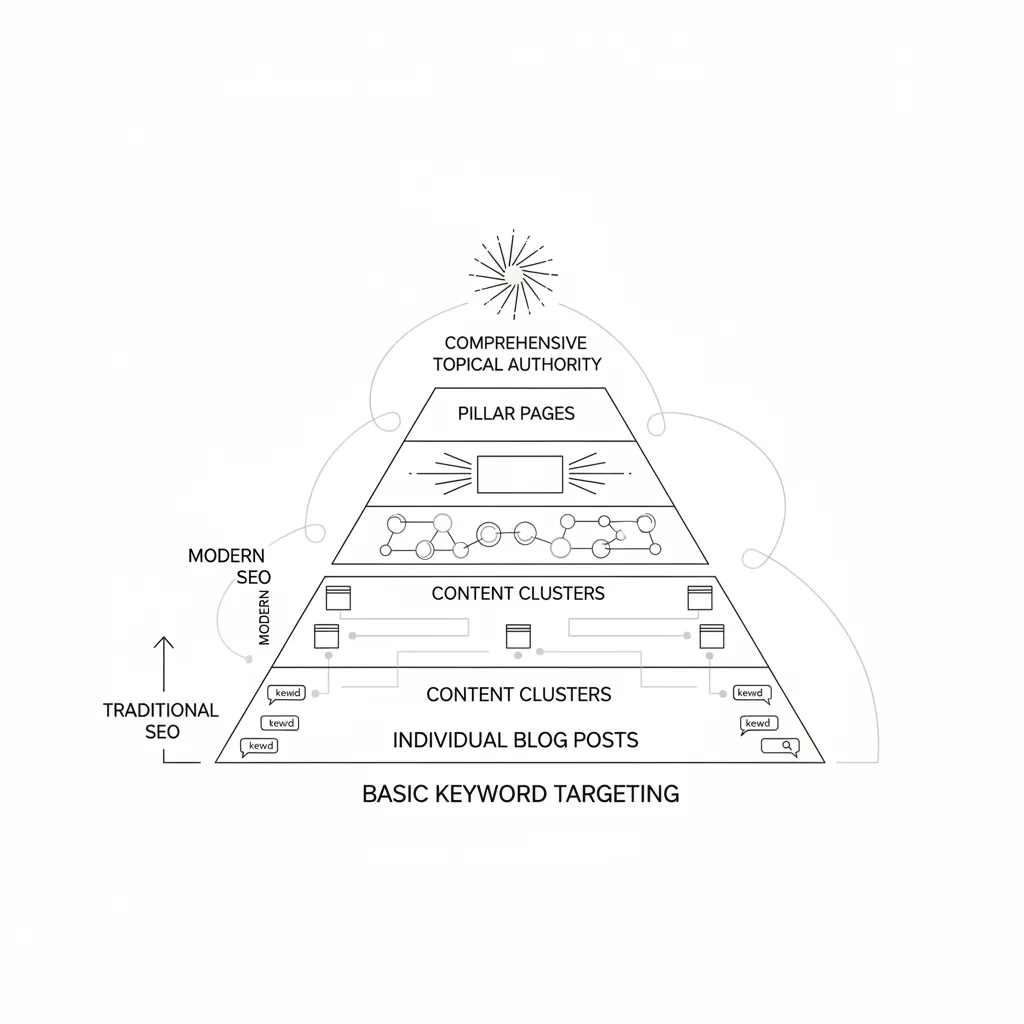
The concept extends beyond simple content volume. Search engines evaluate how well your content connects related concepts, answers follow-up questions, and provides complete solutions to user problems. When you successfully build topical authority, your entire website gains credibility that benefits all your content.
Modern search algorithms use entity recognition and semantic understanding to evaluate topical authority. They analyze how your content relates to industry terminology, covers subtopics, and demonstrates expertise through accuracy and depth. This is why scattered content across unrelated topics actually weakens your authority.
Unlike domain authority, which measures overall website credibility based on backlinks and technical factors, topical authority focuses specifically on subject-matter expertise. A website with strong topical authority in a specific niche often outranks sites with higher domain authority but less focused expertise.
The Evolution of SEO and Topical Authority
Google's algorithm updates over recent years have consistently emphasized content quality and expertise. The helpful content update specifically targets content created primarily for search engines rather than users. This update rewards comprehensive, expert-level content that demonstrates clear understanding of topics.
The integration of AI into search results has accelerated this trend. AI systems need to understand not just individual pages but entire knowledge domains to provide accurate answers. Websites with strong topical authority become preferred sources for AI-generated responses and featured snippets.
E-A-T (Expertise, Authoritativeness, Trustworthiness) guidelines now explicitly favor content that demonstrates deep subject knowledge. Search engines evaluate whether your content covers topics comprehensively enough to be considered authoritative. This evaluation happens at both page and site levels.
Steps to Build Topical Authority Effectively
Building topical authority requires a systematic approach that begins with strategic planning and extends through consistent content execution. The process involves identifying your expertise areas, mapping comprehensive content strategies, and creating interconnected content that demonstrates mastery.
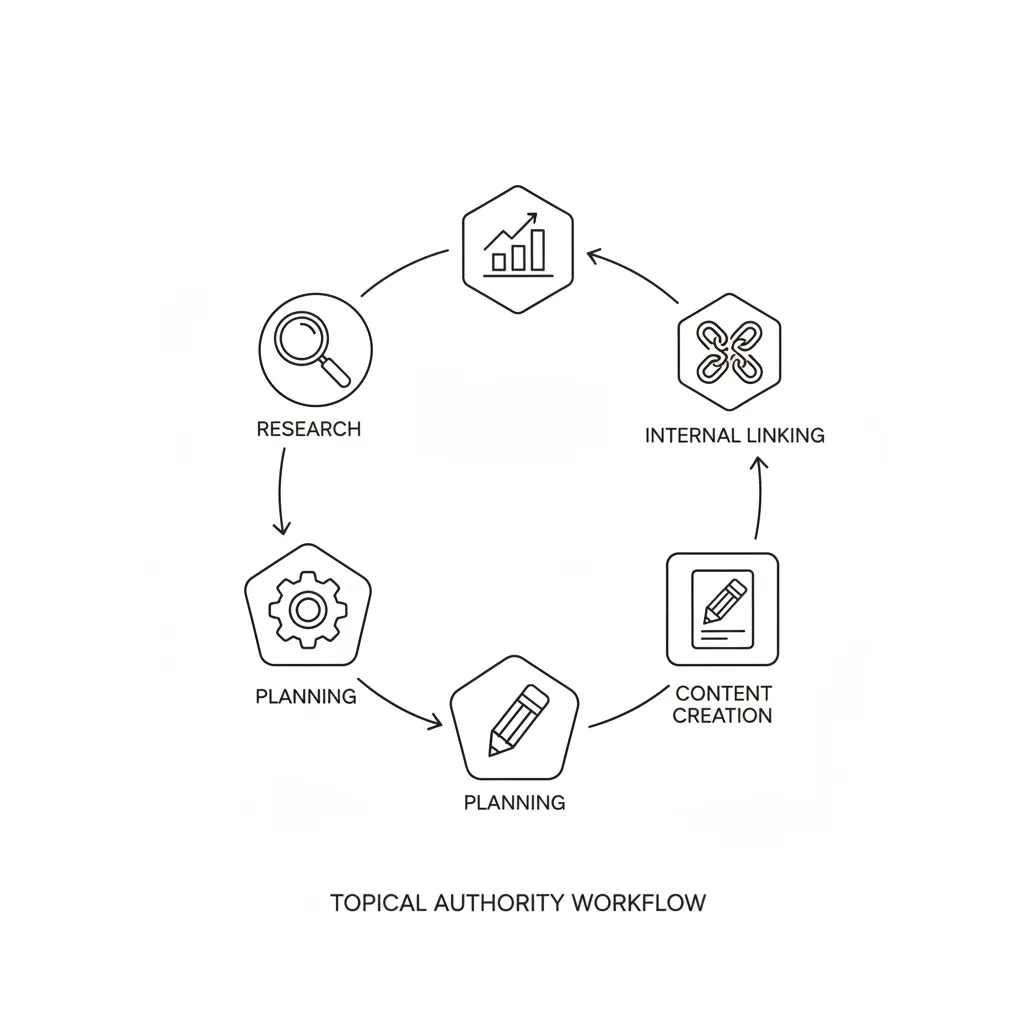
Start by conducting thorough topic research to understand the complete landscape of your subject area. This includes identifying primary topics, subtopics, related concepts, and the questions your audience asks at different stages of their journey. Tools like keyword research platforms help map these relationships.
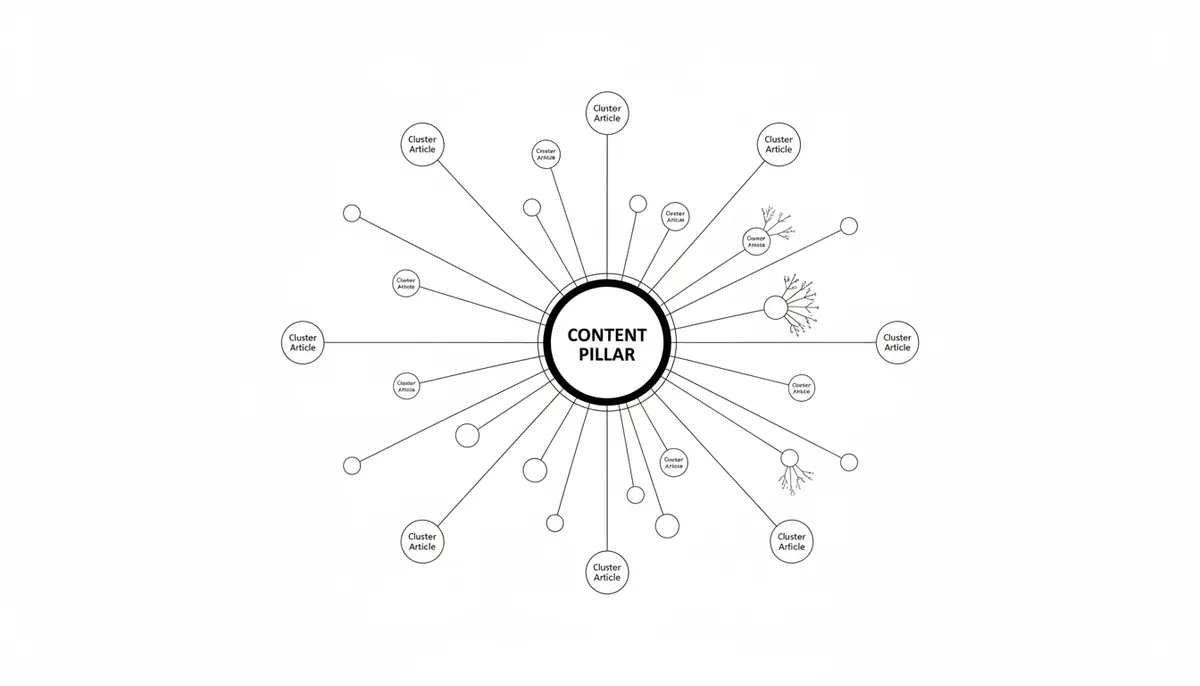
Create content pillars that serve as comprehensive guides to major aspects of your topic. These pillar pages should cover broad subjects thoroughly while linking to more specific content that explores subtopics in detail. This structure helps search engines understand your content hierarchy and expertise depth.
Develop a content calendar that ensures consistent publishing across all aspects of your topic. Regular content creation signals to search engines that you're actively maintaining and expanding your expertise. Plan content that addresses different user intents, from informational to transactional queries.
Quality matters more than quantity when building topical authority. Each piece of content should provide unique value, demonstrate expertise, and connect clearly to your broader topic coverage. Avoid creating content just to fill gaps – every article should serve a specific purpose in your authority-building strategy.
Content Clustering and Internal Linking
Content clustering organizes your articles into thematic groups that demonstrate comprehensive coverage of subtopics. Each cluster should include a pillar page that provides broad coverage and supporting articles that dive deep into specific aspects. This structure helps search engines understand your content relationships.
Strategic internal linking connects your content clusters and reinforces topical relationships. Link from pillar pages to supporting content and create connections between related articles. Use descriptive anchor text that includes relevant keywords and clearly indicates the linked content's purpose.
Create topic maps that visualize how your content connects across your entire site. This helps identify content gaps, opportunities for new articles, and ways to strengthen existing content relationships. Regular auditing of your internal link structure ensures optimal topical authority signals.
Real-World Examples of Successful Topical Authority Strategies
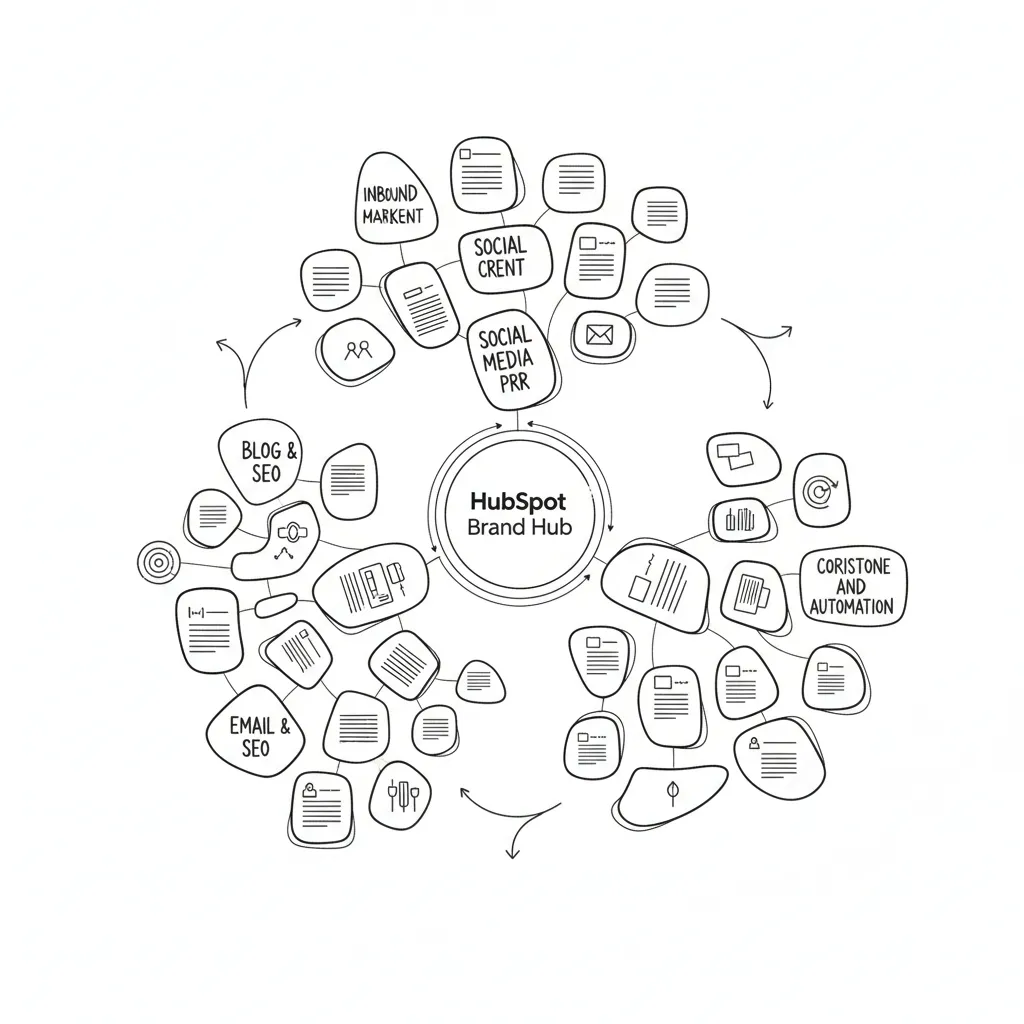
HubSpot exemplifies successful topical authority in marketing and sales. Their content covers every aspect of inbound marketing, from basic concepts to advanced automation strategies. They've created comprehensive resources that address beginner questions while providing expert-level insights for experienced marketers.
Moz demonstrates topical authority in SEO by creating content that spans from basic SEO concepts to advanced technical strategies. Their Beginner's Guide to SEO serves as a comprehensive pillar page, while hundreds of supporting articles cover specific techniques, tools, and case studies.
Shopify has built remarkable topical authority in e-commerce by addressing every aspect of online business creation and management. Their content covers technical setup, marketing strategies, business operations, and industry trends. This comprehensive approach has made them the go-to resource for e-commerce education.
These companies succeed because they commit to comprehensive topic coverage rather than sporadic content creation. They consistently publish expert-level content that addresses real user problems while demonstrating deep industry knowledge.
Lessons Learned from Top Competitors
Successful topical authority requires long-term commitment and consistent execution. Companies that achieve strong authority invest in comprehensive content strategies rather than quick wins. They focus on creating resources that remain valuable over time rather than trending topics.
Common mistakes include spreading content too thin across multiple topics, creating shallow content that lacks expertise, and failing to maintain consistent publishing schedules. Avoid trying to build authority in too many areas simultaneously – focus on one or two core topics where you can demonstrate genuine expertise.
The most successful companies also invest in content promotion and distribution. Building great content isn't enough – you need strategies to ensure your target audience discovers and engages with your authority-building content.
Measuring the Success of Your Topical Authority Efforts
Measuring topical authority requires tracking multiple metrics that indicate growing expertise recognition. Organic traffic growth remains important, but you should also monitor keyword ranking improvements across topic clusters, not just individual pages.
Monitor your website's visibility for topic-related keywords using tools like SEMrush or Ahrefs. Look for improvements in ranking positions across your entire topic area, not just primary keywords. Strong topical authority typically results in better rankings for long-tail and related keywords.
Track brand mentions and citations across the web to measure growing recognition as a topic expert. Tools like Google Alerts and social media monitoring help identify when other websites reference your content as authoritative sources. Increasing citations indicate growing topical authority.
Analyze your content's performance in AI-powered search results and featured snippets. As search engines increasingly use AI to generate answers, websites with strong topical authority become preferred sources for these prominent search features.
| Traditional SEO Strategy | Topical Authority Strategy |
|---|---|
| Individual keyword targeting | Comprehensive topic coverage |
| Separate pages for similar queries | Content clusters with pillar pages |
| Focus on search volume | Focus on user intent and expertise |
| Quantity-based content creation | Quality-based authority building |
| Limited internal linking | Strategic internal link networks |
Adjusting Strategies Based on Performance Data
Regular analysis of your topical authority metrics helps identify which content performs best and where gaps exist in your coverage. Use this data to refine your content strategy and prioritize topics that drive the most engagement and authority signals.
Monitor user behavior patterns to understand how people navigate through your topic clusters. High-performing content paths indicate strong topical relationships, while high exit rates might signal content gaps or poor internal linking.
Adjust your content calendar based on performance insights and emerging trends in your topic area. Stay current with industry developments while maintaining comprehensive coverage of foundational concepts. This balance ensures your authority remains relevant and complete.
Advanced Strategies for Accelerating Topical Authority
Expert interviews and collaborative content can significantly boost your topical authority by associating your brand with recognized industry experts. When respected professionals contribute to your content, it signals to search engines and users that your site attracts authoritative voices.
Original research and data studies provide unique value that other sites can't replicate. Publishing industry reports, surveys, or case studies positions your website as a primary source of information, encouraging citations and backlinks that reinforce your authority.
Multimedia content formats like podcasts, videos, and interactive tools demonstrate expertise across different content types. Search engines recognize comprehensive content experiences as signals of authority, especially when they address complex topics that benefit from visual or audio explanation.
Regular content updates and expansions show search engines that your expertise remains current and growing. Revisit older articles to add new information, update statistics, and expand coverage based on evolving industry knowledge.
Common Pitfalls When Building Topical Authority
Many companies attempt to build authority in too many topic areas simultaneously, diluting their expertise signals. Focus on one or two core topics where you have genuine knowledge and resources to create comprehensive coverage.
Creating content without understanding user intent leads to authority-building efforts that don't resonate with your target audience. Research the questions your audience asks and the problems they need solved within your topic area.
Neglecting technical SEO while focusing on content can limit your topical authority impact. Ensure your website loads quickly, provides good user experience, and follows search engine best practices for content discovery and indexing.
Inconsistent publishing schedules signal to search engines that your commitment to topic expertise may be temporary. Maintain regular content creation and updates to reinforce your ongoing authority in your chosen subject areas.
The Role of AI and Automation in Topical Authority
AI-powered content tools can help identify content gaps and opportunities within your topic areas. These tools analyze competitor content, search trends, and user questions to suggest comprehensive coverage strategies that strengthen your authority.
Automated content optimization helps ensure your authority-building content meets technical SEO requirements while maintaining focus on expertise demonstration. Tools can suggest internal linking opportunities, identify related keywords, and recommend content structure improvements.
Content performance tracking automation provides continuous insights into how your topical authority efforts perform across different metrics. This data helps you refine strategies and identify successful approaches to replicate across other content.
For marketing teams managing complex topical authority strategies, platforms like AutoRanq offer AI-powered automation that handles content planning, optimization, and performance tracking. This allows marketers to focus on strategic decisions while ensuring consistent execution of authority-building activities.
Building topical authority represents a fundamental shift in SEO strategy that aligns with how modern search engines and AI systems evaluate expertise. Success requires comprehensive planning, consistent execution, and ongoing optimization based on performance data.
The benefits extend far beyond search rankings. Companies with strong topical authority become trusted resources in their industries, attracting higher-quality leads and building stronger customer relationships. This authority also provides competitive advantages that are difficult for competitors to replicate quickly.
As search continues evolving toward AI-powered experiences, topical authority becomes even more critical. AI systems need comprehensive, authoritative sources to provide accurate answers to user questions. Websites that establish strong topical authority today position themselves for continued success as search technology advances.
Key Takeaways for Building Topical Authority
- Focus on comprehensive topic coverage rather than individual keyword targeting to build recognized expertise in your subject area
- Create content clusters with pillar pages that demonstrate the depth and breadth of your knowledge across related subtopics
- Maintain consistent publishing schedules with high-quality content that addresses real user problems and questions
- Use strategic internal linking to connect related content and reinforce topical relationships for search engines
- Track multiple metrics including organic traffic, keyword rankings, engagement signals, and brand citations to measure authority growth
- Avoid spreading efforts too thin by focusing on one or two core topics where you can demonstrate genuine expertise
- Invest in original research and expert collaboration to create unique value that establishes your site as a primary information source
Ready to transform your content strategy and build unshakeable topical authority in your industry? Explore how AutoRanq can help you automate your content strategies and build topical authority with AI-powered precision. Our autonomous systems handle the complex workflows of topic research, content planning, and optimization, letting you focus on strategic decisions while we execute your authority-building campaigns with speed and accuracy.