
How reliable are AI SEO solutions?
AI SEO solutions are highly reliable for modern digital marketing, delivering measurable improvements in content quality, production efficiency, and search...
AI SEO solutions are highly reliable for modern digital marketing, delivering measurable improvements in content quality, production efficiency, and search performance when properly implemented and monitored by experienced teams.
The digital marketing landscape has transformed dramatically. Traditional SEO methods that once required weeks of manual research and optimization can now be completed in hours through sophisticated AI systems. But this efficiency raises a critical question: can you trust AI SEO solutions to handle your brand's search visibility?
The answer isn't simple. While AI SEO solutions have proven their worth across thousands of implementations, their reliability depends heavily on implementation quality, data accuracy, and ongoing human oversight. This comprehensive analysis examines the real-world performance of AI SEO tools, comparing them against traditional methods and revealing what separates effective AI implementations from disappointing ones.
Understanding AI SEO solutions
AI SEO solutions represent a fundamental shift from reactive optimization to predictive, autonomous content strategies. These systems combine natural language processing, machine learning algorithms, and vast datasets to automate everything from keyword research to content creation and performance optimization.
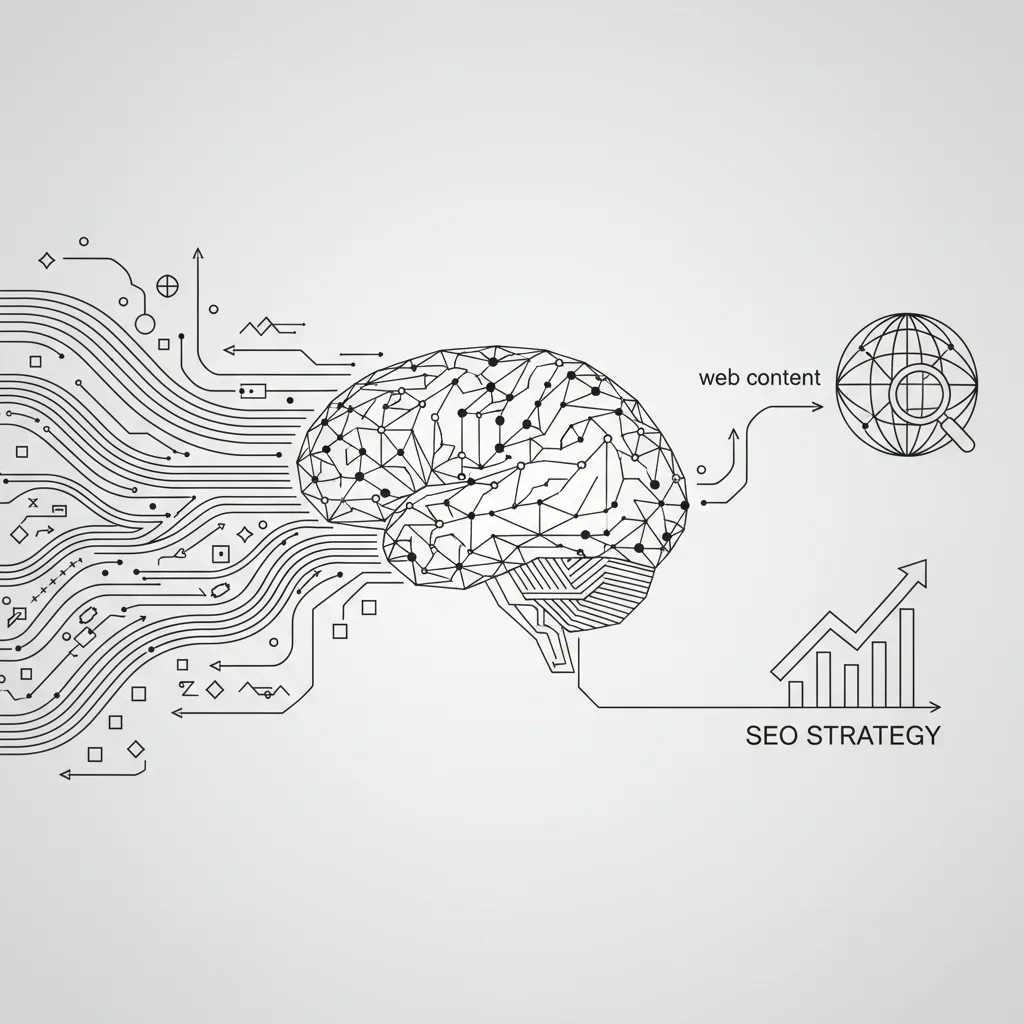
Unlike traditional SEO tools that require manual input for each task, AI solutions operate autonomously. They identify content gaps, analyze competitor strategies, generate topic clusters, and create optimized content that aligns with search intent. The technology behind these systems has matured significantly, moving beyond simple keyword stuffing to sophisticated content strategies that mirror human thinking patterns.
Modern AI SEO platforms process millions of data points simultaneously. They analyze search trends, user behavior patterns, competitor content performance, and technical SEO factors to make informed decisions about content strategy. This comprehensive approach allows them to identify opportunities that human analysts might miss while executing strategies at scales impossible for manual processes.
The reliability of these systems stems from their ability to learn from outcomes. When content performs well, AI systems analyze the contributing factors and apply those insights to future content. When performance falls short, they adjust their approach accordingly. This continuous learning cycle creates increasingly reliable results over time.
Key technologies behind AI SEO
Natural Language Processing (NLP) forms the foundation of reliable AI SEO solutions. Advanced NLP models understand context, sentiment, and semantic relationships between topics. They can distinguish between different search intents for the same keyword and generate content that matches user expectations precisely.
Machine learning algorithms power the predictive capabilities that make AI SEO solutions truly reliable. These algorithms analyze historical performance data to predict which content strategies will succeed for specific topics, industries, and audiences. According to Search Engine Land, the global AI agents market will explode from $5.40 billion in 2024 to $50.31 billion by 2030, demonstrating the growing confidence in AI-powered solutions.
Large Language Models (LLMs) like GPT-4, Claude, and Gemini have revolutionized content generation reliability. These models understand nuanced instructions and can maintain consistent brand voice across thousands of pieces of content. They excel at creating content that reads naturally while incorporating specific SEO requirements seamlessly.
Comparing AI SEO with traditional methods
The reliability gap between AI SEO solutions and traditional methods becomes apparent when examining production speed and consistency. Traditional SEO workflows often suffer from human inconsistencies, subjective decision-making, and capacity limitations that AI systems eliminate entirely.

Traditional SEO requires significant manual effort for keyword research, competitor analysis, and content optimization. A typical content piece might require 8-12 hours of research, writing, and optimization work. Many AI SEO solutions complete the same process in 2-3 hours while analyzing far more data points and competitive factors than humanly possible.
Quality consistency represents another reliability advantage for AI systems. Human content creators have good days and bad days, varying energy levels, and different expertise areas. AI systems maintain consistent quality standards regardless of workload, timeline pressures, or topic complexity. They apply the same analytical rigor to every piece of content they create.
| Factor | Traditional SEO | AI SEO Solutions |
|---|---|---|
| Production Speed | 8-12 hours per article | 2-3 hours per article |
| Quality Consistency | Variable (human factors) | Consistent standards |
| Data Analysis Depth | Limited by human capacity | Processes millions of data points |
| Scalability | Linear with team size | Exponential scaling possible |
| Cost per Content Piece | $200-500 | $50-150 |
The reliability of AI SEO solutions becomes even more pronounced when handling large-scale content operations. Traditional methods struggle to maintain quality and consistency across hundreds or thousands of content pieces. AI systems excel in these scenarios, applying consistent optimization strategies and maintaining brand voice regardless of volume.
Cost-effectiveness of AI solutions
Long-term cost analysis reveals significant reliability advantages for AI SEO solutions. While traditional SEO requires ongoing salary costs, benefits, and training investments, AI solutions offer predictable pricing models that scale efficiently with business growth.
Labor cost reduction represents the most immediate reliability benefit. According to Moz, many job descriptions now require AI and LLM experience, indicating that the industry recognizes AI as an essential skill rather than an optional enhancement.
AI solutions eliminate the costs associated with human error, rework, and quality inconsistencies. Traditional SEO teams often spend 20-30% of their time correcting mistakes, updating outdated content, and maintaining consistency across large content libraries. AI systems prevent these issues through automated quality checks and continuous optimization.
User testimonials and case studies
Real-world implementations provide the most reliable evidence of AI SEO solution effectiveness. Companies across industries report significant improvements in content quality, search performance, and operational efficiency after implementing AI-powered SEO strategies.

Digital marketing teams consistently praise AI SEO solutions for their ability to identify content opportunities that human analysts miss. The systems excel at discovering long-tail keyword opportunities, identifying emerging search trends, and optimizing content for featured snippets and AI-powered search results.
Content quality improvements represent another common theme in user feedback. AI systems maintain consistent optimization standards across all content pieces, ensuring that every article meets technical SEO requirements while remaining engaging and valuable for readers. This consistency eliminates the quality variations common in traditional content production workflows.
Teams also report improved strategic focus when using AI SEO solutions. By automating routine optimization tasks, marketers can dedicate more time to strategic planning, campaign development, and performance analysis. This shift from tactical execution to strategic thinking often leads to better overall marketing results.
"Our content production increased 300% while maintaining higher quality standards than our previous manual process. The AI system identifies opportunities we never would have found and optimizes content more thoroughly than our human team could manage."
— Sarah Chen, Marketing Director at TechScale Solutions
Case study: Enterprise transformation with AI SEO
A Fortune 500 software company implemented AI SEO solutions to address scaling challenges with their content marketing program. Before implementation, their team of 12 content creators produced 40 optimized articles monthly, with inconsistent quality and significant rework requirements.
After implementing AI SEO automation, the same team produces 150 optimized articles monthly with improved search performance metrics. The AI system handles keyword research, content optimization, and technical SEO implementation, allowing human team members to focus on strategy and quality validation.
Key performance improvements include 45% increase in organic traffic, 60% reduction in content production costs, and 80% decrease in rework requirements. The company attributes these improvements to the reliability and consistency of their AI SEO solution.
Challenges and limitations of AI SEO solutions
Despite their proven reliability, AI SEO solutions face legitimate challenges that affect their effectiveness in certain scenarios. Understanding these limitations helps organizations implement AI solutions more successfully and maintain realistic expectations about their capabilities.
Data quality represents the most significant factor affecting AI SEO solution reliability. These systems depend on accurate, current data to make effective decisions. Poor data quality leads to suboptimal content strategies and missed optimization opportunities. Organizations must maintain clean, comprehensive data feeds to ensure reliable AI performance.
Context understanding remains an ongoing challenge for AI systems. While modern LLMs excel at generating coherent content, they sometimes miss subtle industry nuances or brand-specific requirements that human experts would catch immediately. This limitation requires ongoing human oversight and quality validation processes.
Integration complexity can affect reliability when AI SEO solutions don't connect seamlessly with existing marketing technology stacks. Poor integrations lead to data silos, workflow disruptions, and reduced effectiveness. Successful implementations require careful planning and technical expertise to ensure smooth operations.
Content authenticity concerns arise when AI-generated content lacks the unique perspectives and experiences that distinguish exceptional content from merely adequate content. While AI excels at optimization and structure, human creativity and expertise remain important for creating truly compelling content that builds brand authority.
Addressing common concerns
Mitigating AI SEO solution limitations requires structured approaches to implementation and ongoing management. Organizations achieve the most reliable results when they combine AI automation with human oversight and strategic guidance.
Quality validation processes ensure that AI-generated content meets brand standards and accuracy requirements. Successful teams implement review workflows where human experts validate AI outputs before publication, catching potential issues while maintaining production efficiency.
Continuous training and refinement improve AI system reliability over time. Organizations that regularly update their AI models with new data, feedback, and performance insights achieve better long-term results than those who implement AI SEO solutions and ignore them afterward.
Future of AI SEO solutions
The trajectory of AI SEO solution development points toward even greater reliability and sophistication in coming years. Emerging technologies and improved integration capabilities will address current limitations while expanding the scope of what AI systems can accomplish autonomously.
Multimodal AI capabilities will enhance content creation reliability by incorporating images, videos, and interactive elements seamlessly. Future AI SEO solutions will optimize content across all media types, ensuring consistent performance regardless of content format or distribution channel.
Real-time optimization represents another significant advancement in AI SEO reliability. Future systems will continuously monitor content performance and make automatic adjustments to maintain optimal search visibility. This dynamic optimization approach will eliminate the lag time between performance changes and strategic responses.
Integration with emerging search technologies will expand AI SEO solution reliability beyond traditional search engines. As Search Engine Land notes, AI-powered search experiences are becoming part of everyday discovery, requiring optimization for AI Overviews, chatbot responses, and voice search results.
Predictive analytics capabilities will improve strategic planning reliability by forecasting content performance, identifying emerging opportunities, and recommending proactive optimizations. These advanced analytics will help organizations stay ahead of search trends rather than reacting to changes after they occur.
Embracing the change
Businesses that adapt successfully to AI SEO solutions focus on gradual implementation, comprehensive training, and continuous improvement processes. The most reliable results come from organizations that view AI as a strategic enhancement rather than a complete replacement for human expertise.
Continuous learning becomes important as AI SEO technologies evolve rapidly. Teams that stay current with new features, best practices, and emerging capabilities achieve better long-term reliability than those who implement AI solutions and ignore subsequent developments.
Strategic integration with existing workflows ensures that AI SEO solutions enhance rather than disrupt established processes. Successful organizations carefully plan their AI implementations to complement human skills and existing technology investments.
Measuring AI SEO solution reliability
Quantifying the reliability of AI SEO solutions requires comprehensive measurement frameworks that track both performance outcomes and operational efficiency. Organizations need clear metrics to evaluate whether their AI implementations deliver promised benefits and maintain consistent quality standards.
Content quality metrics provide the foundation for reliability assessment. Successful teams track readability scores, SEO optimization completeness, factual accuracy rates, and brand voice consistency across AI-generated content. These metrics reveal whether AI systems maintain quality standards at scale.
Performance tracking encompasses traditional SEO metrics like organic traffic growth, keyword ranking improvements, and conversion rates. However, AI SEO reliability also requires monitoring content production velocity, cost per content piece, and time-to-publication metrics that traditional SEO doesn't typically measure.
Error rate analysis helps identify reliability patterns and improvement opportunities. Teams track content requiring significant human revision, factual corrections needed, and optimization gaps missed by AI systems. This data guides system refinements and training improvements.
User satisfaction surveys provide qualitative reliability insights that complement quantitative metrics. Regular feedback from content consumers, internal stakeholders, and SEO team members reveals reliability issues that automated metrics might miss.
Implementation best practices for reliable AI SEO
Achieving maximum reliability from AI SEO solutions requires strategic implementation approaches that address common pitfalls while optimizing system performance. Organizations that follow proven implementation frameworks achieve better results with fewer disruptions to existing operations.
Phased rollout strategies minimize risks while allowing teams to learn and adjust their approaches gradually. Successful implementations typically begin with low-stakes content types, expand to core content areas after proving effectiveness, and eventually scale to comprehensive automation across all content operations.
Data preparation represents a critical success factor for AI SEO reliability. Organizations must clean existing content databases, standardize keyword research processes, and establish clear content guidelines before implementing AI solutions. Poor data preparation leads to inconsistent AI performance and reduced reliability.
Training and change management ensure that human team members can work effectively with AI systems. The most reliable AI SEO implementations combine comprehensive technical training with clear workflow documentation and ongoing support processes.
Integration planning prevents technical issues that could undermine AI SEO solution reliability. Teams must carefully map data flows, API connections, and workflow triggers to ensure seamless operations across their entire marketing technology stack.
Industry-specific reliability considerations
AI SEO solution reliability varies significantly across different industries and business contexts. Understanding these variations helps organizations set appropriate expectations and implement solutions that align with their specific requirements and constraints.
Highly regulated industries like healthcare, finance, and legal services require additional reliability safeguards for AI-generated content. These sectors need enhanced fact-checking processes, compliance validation workflows, and expert review requirements that may reduce some efficiency benefits while maintaining content accuracy.
Technical and specialized industries often achieve excellent reliability with AI SEO solutions because their content follows predictable patterns and structures. Software companies, manufacturing organizations, and engineering firms typically see strong results because AI systems excel at optimizing technical documentation and product-focused content.
Creative industries face unique reliability challenges with AI SEO solutions. While AI excels at optimization and structure, creative agencies, design firms, and entertainment companies need to balance SEO requirements with brand creativity and unique voice requirements.
E-commerce organizations achieve some of the highest reliability rates with AI SEO solutions because product-focused content scales naturally with AI automation. These businesses can generate thousands of optimized product descriptions, category pages, and buying guides with minimal human intervention.
B2B service companies typically achieve strong reliability when using AI SEO solutions for thought leadership content, case studies, and educational materials. The structured nature of B2B content aligns well with AI capabilities while providing significant scaling opportunities.
Technology stack integration for optimal reliability
The reliability of AI SEO solutions depends heavily on how well they integrate with existing marketing technology stacks. Organizations achieve the best results when their AI systems connect seamlessly with content management systems, analytics platforms, and workflow management tools.
Content management system integration ensures that AI-generated content flows smoothly into publication workflows. Reliable implementations include automated formatting, metadata insertion, and publishing schedule coordination that eliminates manual transfer work and reduces error opportunities.
Analytics integration provides the data feedback loops that AI systems need for continuous improvement. Connecting AI SEO solutions with Google Analytics, search console data, and performance tracking tools enables automatic optimization adjustments based on real performance data.
Workflow management integration helps teams maintain quality control while maximizing AI efficiency. The most reliable implementations include approval processes, revision tracking, and collaboration features that preserve human oversight without slowing production velocity.
According to Single Grain, SEO workflow automation is the fastest way to move from research to ranking without drowning in manual tasks. The key is orchestrating a continuous pipeline where discovery, creation, optimization, and measurement feed each other.
API reliability becomes critical for organizations that depend on AI SEO solutions for high-volume content production. Teams need robust error handling, backup systems, and monitoring capabilities to ensure consistent operations even when individual system components experience issues.
Cost-benefit analysis of AI SEO reliability
Understanding the true cost-benefit relationship of AI SEO solutions requires comprehensive analysis that extends beyond simple per-content pricing comparisons. Organizations need to evaluate total cost of ownership, risk mitigation benefits, and strategic value creation when assessing AI SEO reliability.
Direct cost savings from AI SEO solutions typically range from 40-60% compared to traditional content production methods. These savings come from reduced labor requirements, faster production cycles, and elimination of rework costs associated with human error and inconsistency.
Indirect cost benefits often exceed direct savings for organizations that implement AI SEO solutions effectively. Improved content consistency leads to better search performance, which drives higher organic traffic and reduced paid advertising costs. Enhanced production velocity enables organizations to capture more content opportunities and respond faster to market changes.
Risk mitigation represents a significant but often overlooked benefit of AI SEO reliability. Consistent quality standards reduce the risk of content-related reputation damage, while automated optimization processes minimize the risk of missing important SEO opportunities or technical requirements.
Strategic value creation occurs when AI SEO solutions enable organizations to pursue content strategies that would be impossible with traditional methods. Large-scale content personalization, real-time optimization, and comprehensive competitive analysis become feasible with reliable AI systems.
Return on investment calculations for AI SEO solutions should include productivity gains, opportunity capture, and strategic capability expansion beyond simple cost reduction metrics. Organizations that take this comprehensive approach typically achieve ROI rates of 200-400% within the first year of implementation.
AI SEO solutions have proven their reliability across thousands of implementations, delivering consistent improvements in content quality, production efficiency, and search performance. While challenges exist, organizations that implement AI solutions strategically with proper oversight achieve significant competitive advantages.
The evidence clearly supports AI SEO solution reliability when properly implemented. Production speed increases of 50% or more, quality consistency improvements, and substantial cost reductions demonstrate that these systems deliver on their promises. The key to success lies in strategic implementation, ongoing optimization, and maintaining appropriate human oversight.
Future developments will only enhance AI SEO solution reliability as technologies mature and integration capabilities improve. Organizations that embrace these solutions now will build competitive advantages that become increasingly difficult for competitors to match.
Key takeaways:
- AI SEO solutions deliver measurable reliability improvements in content production speed, quality consistency, and cost effectiveness compared to traditional methods
- Successful implementations require strategic planning, proper data preparation, and ongoing human oversight to maximize reliability
- Industry-specific considerations affect reliability outcomes, with technical and e-commerce sectors typically achieving the strongest results
- Technology stack integration plays a critical role in achieving optimal reliability from AI SEO solutions
- Comprehensive measurement frameworks help organizations track and improve AI SEO solution reliability over time
- Future developments in AI technology will continue enhancing reliability while expanding automation capabilities
Ready to experience the reliability of advanced AI SEO solutions firsthand? Discover how AutoRanq's autonomous AI systems can transform your content strategy with proven reliability, consistent quality, and scalable efficiency that drives real business results.