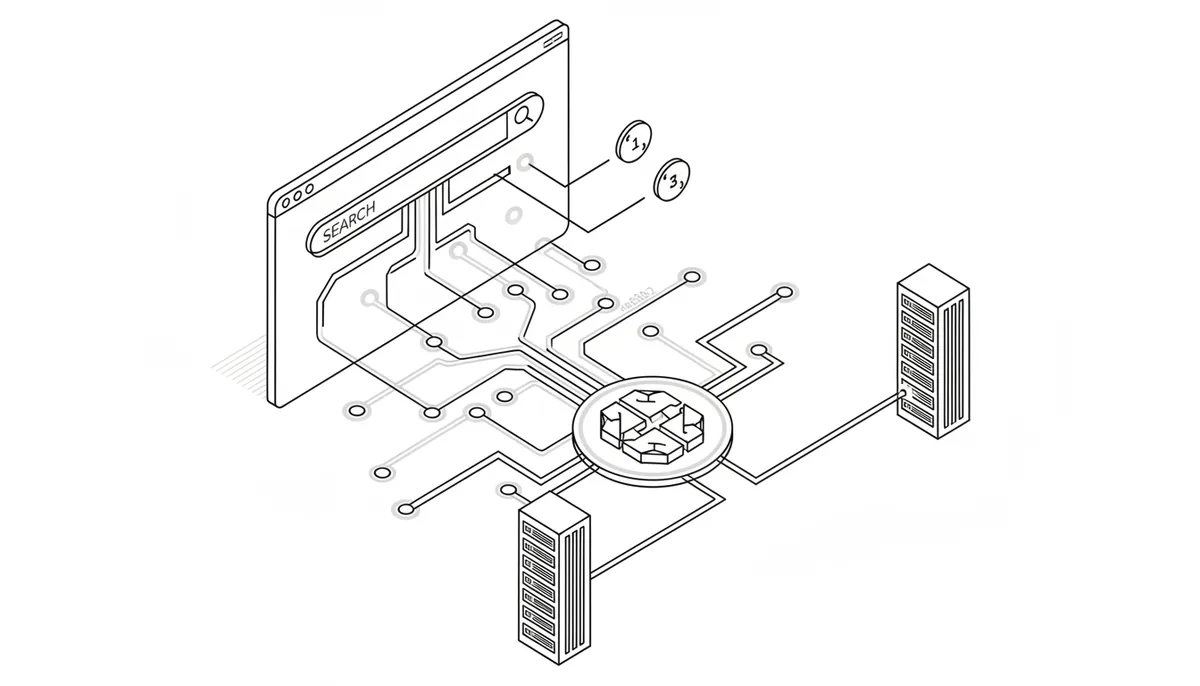
How to optimize your website for AI visibility
How to Optimize Your Website for AI Visibility You can optimize your website for AI by focusing on three core areas: creating structured, citation-worthy...
How to Optimize Your Website for AI Visibility
You can optimize your website for AI by focusing on three core areas: creating structured, citation-worthy content that directly answers questions, ensuring technical accessibility through proper crawling and schema markup, and building topical authority that AI systems recognize as trustworthy. Princeton research shows this approach can boost AI visibility by up to 40%.
AI systems like ChatGPT, Claude, and Gemini are fundamentally changing how people discover content. When someone asks "what's the best marketing automation tool?" these AI assistants don't just provide links—they synthesize answers and cite specific sources.
Your website either gets cited as an authoritative source, or it becomes invisible to millions of potential customers. This shift represents the biggest change in search since Google introduced PageRank, and the businesses that adapt now will dominate tomorrow's AI-driven discovery landscape.
Understanding AI Optimization Strategies
Traditional SEO focused on ranking for specific keywords and driving clicks to your website. AI optimization operates differently—it prioritizes becoming the trusted source that AI systems quote and cite when answering user questions.
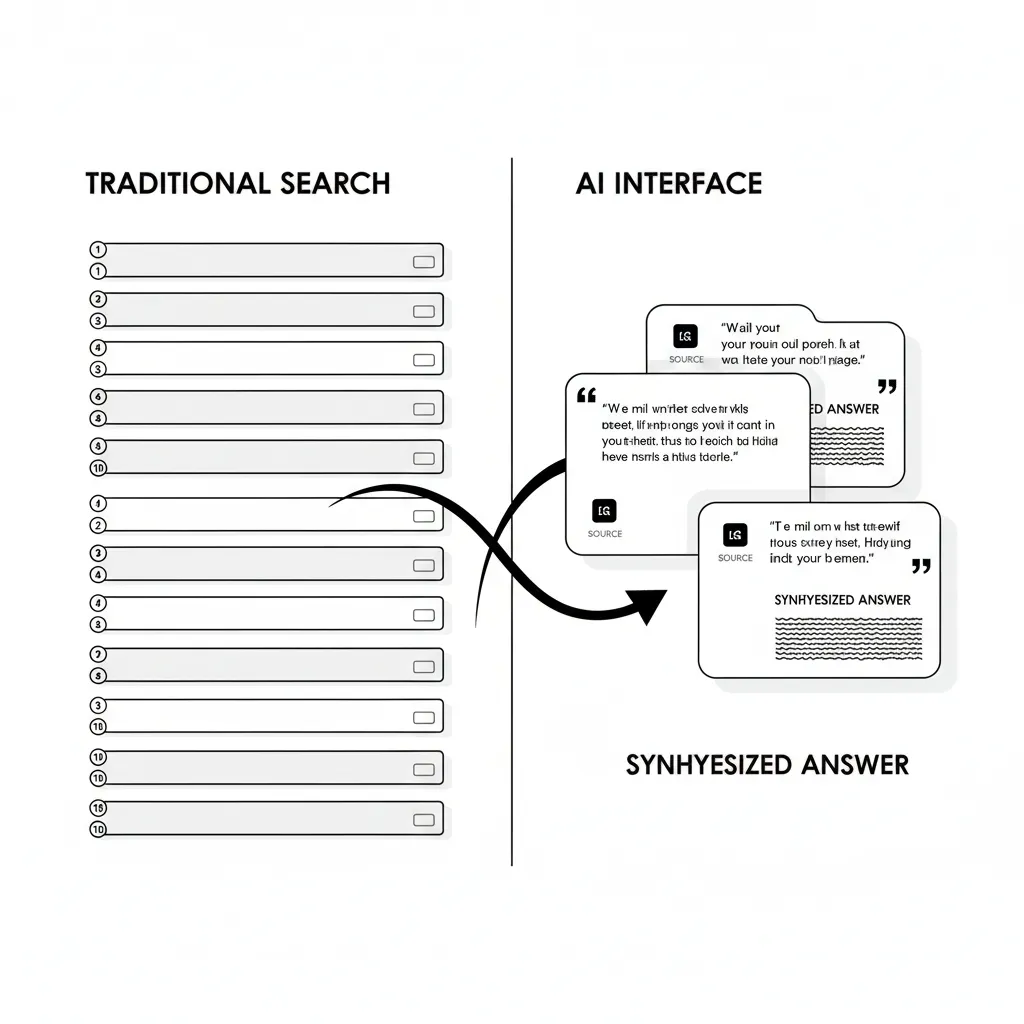
When you search Google, you get a list of links to explore. When you ask ChatGPT a question, it provides a synthesized answer drawn from multiple sources. The fundamental difference: traditional search drives traffic, while AI search establishes authority through citations.
This shift creates a new form of value. Instead of competing for the top search result, you're competing to become the definitive source on your topic. AI search systems combine large language models with traditional search indexes, making content both discoverable and understandable to machines.
The Shift from Traditional SEO to AI Optimization
Traditional SEO optimization strategies centered on keyword density, backlinks, and page authority. You optimized for human searchers who would click through to read your full content. Success meant ranking #1 for your target keywords.
AI optimization requires a different approach. You optimize for machines that read, understand, and synthesize your content into answers. Success means being cited as a source when AI systems respond to relevant queries.
| Traditional SEO | AI Optimization |
|---|---|
| Focus on keyword rankings | Focus on content citations |
| Drive traffic to website | Establish source authority |
| Optimize for human readers | Optimize for AI understanding |
| Success = clicks and visits | Success = citations and mentions |
The businesses winning in AI optimization understand this fundamental shift. They create content that serves as the definitive answer to specific questions, making it easy for AI systems to extract and cite their expertise.
Key Technical Elements for AI Visibility
Technical optimization for AI requires ensuring your content is accessible, structured, and interpretable by AI crawlers. Unlike traditional search bots, AI systems need to deeply understand your content's meaning and context.
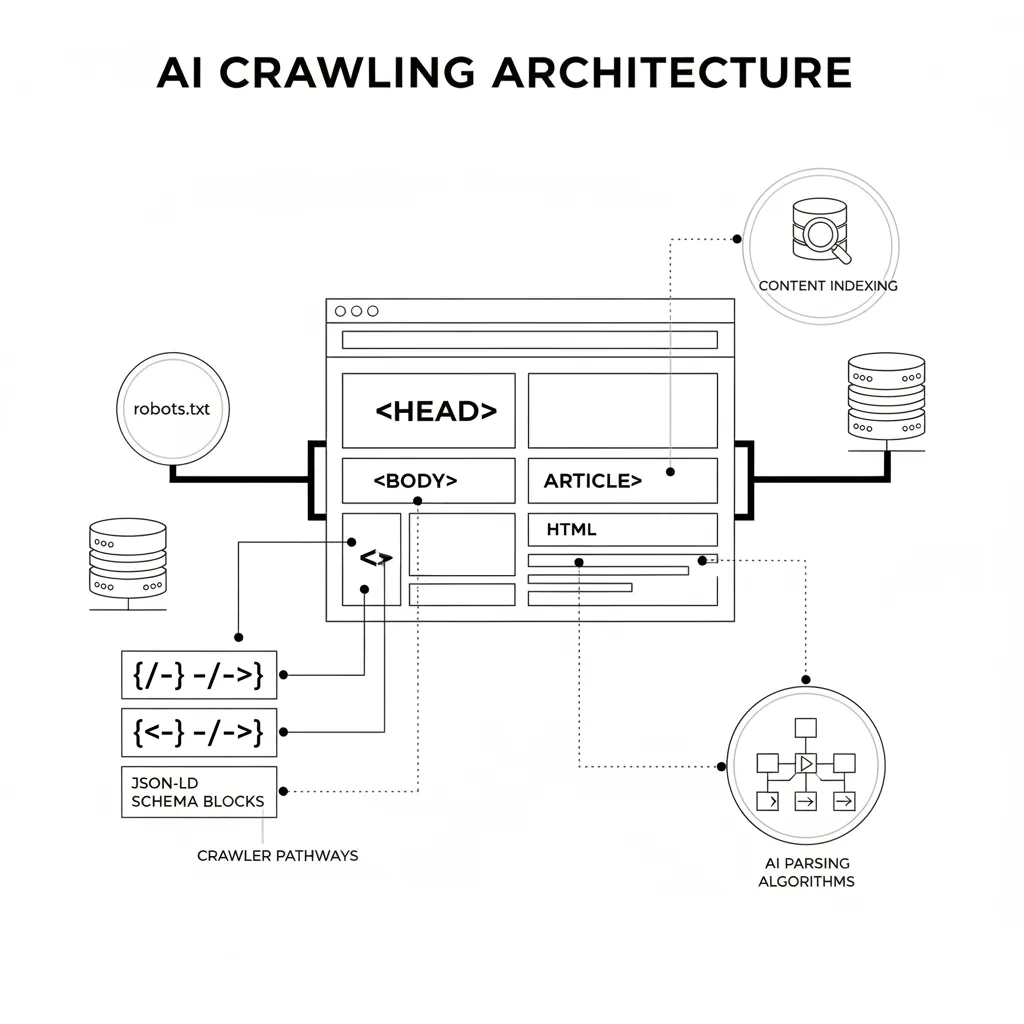
Start with crawlability. AI systems need clean access to your content without technical barriers. This means optimizing your robots.txt file, ensuring fast load times, and maintaining a logical site structure that AI crawlers can navigate efficiently.
Ensuring Clean Access for AI Crawlers
AI crawlers operate differently than traditional search bots. They need to understand content context and extract specific information for synthesis. This requires clean, semantic HTML structure and descriptive URLs that communicate content purpose.
Use descriptive URLs that clearly indicate content topics. Instead of "/blog/post-123", use "/how-to-optimize-website-for-ai-visibility". This helps AI systems understand page content before processing the full text.
Configure your robots.txt file to allow AI crawlers while blocking unnecessary pages. Many AI systems identify themselves with specific user agents, allowing you to customize access permissions for different AI platforms.
Creating AI-Friendly Content
AI systems excel at processing structured, well-organized content that directly answers specific questions. The key to creating AI-friendly content lies in understanding how these systems extract and synthesize information.
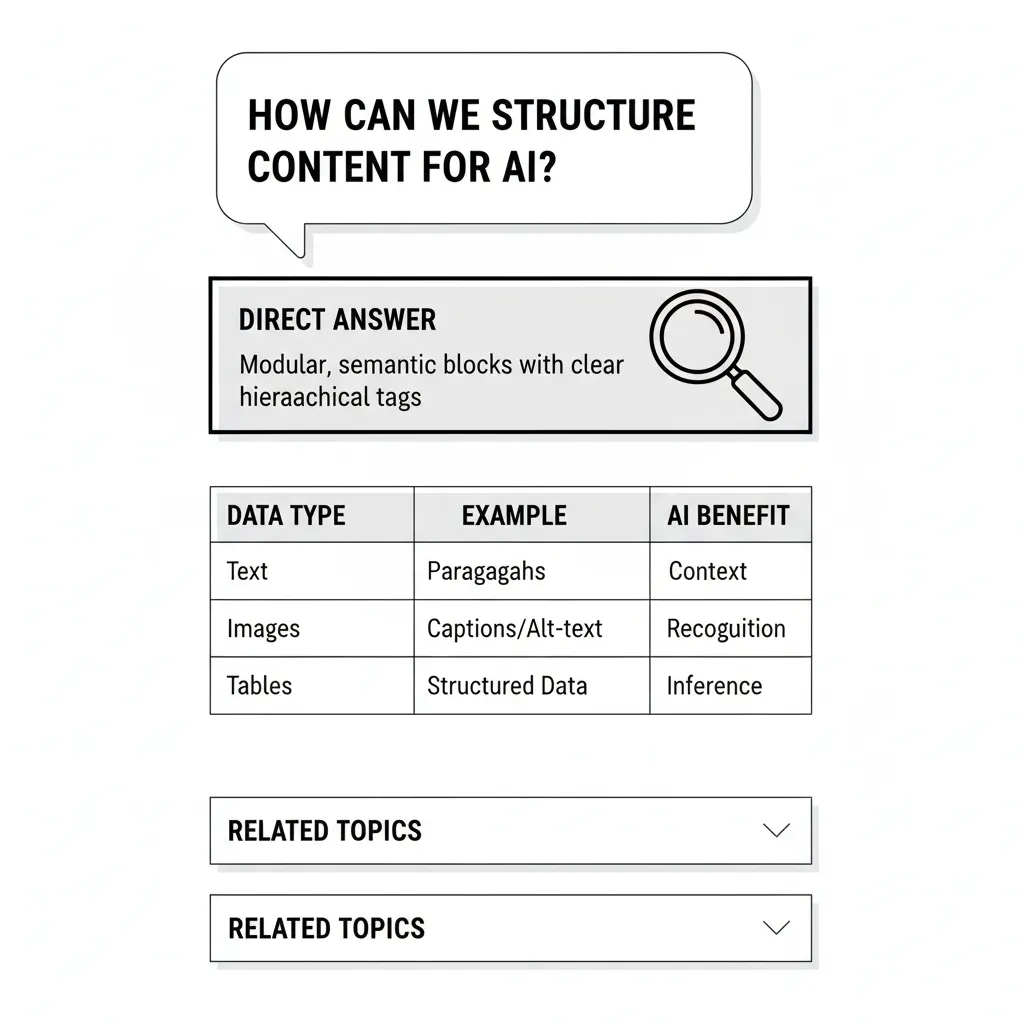
Lead with direct answers. When someone asks "how can I optimize my website for AI," start your content with a clear, concise answer before diving into detailed explanations. AI systems often cite the first paragraph that directly addresses the query.
Structure your content using clear headings, bullet points, and numbered lists. AI systems can easily parse and extract information from well-organized content. Use H2 and H3 tags to create logical content hierarchies that guide AI understanding.
Best Practices for Content Formatting
Format your content for both human readers and AI processing. Use short paragraphs, clear subheadings, and logical content flow that makes information easy to extract and understand.
Implement FAQ sections that directly address common questions in your industry. Structure these with clear question headings followed by concise, authoritative answers. This format aligns perfectly with how AI systems process and present information.
Use bullet points and numbered lists to break down complex processes or present multiple options. AI systems can easily extract and reformat this information when synthesizing responses to user queries.
Monitoring and Improving AI Performance
Tracking AI visibility requires different metrics than traditional SEO. Instead of focusing solely on keyword rankings and organic traffic, you need to monitor citations, mentions, and how AI systems reference your content.
Use specialized tools to track AI visibility across different platforms. Monitor how often your content gets cited by ChatGPT, Claude, and other AI systems. Track which pieces of content perform best and identify patterns in highly-cited material.
Implement A/B testing for content formats to determine what works best for AI citation. Test different answer structures, content lengths, and formatting approaches to optimize for AI visibility while maintaining human readability.
Tools for Tracking AI Visibility
Google Search Console provides insights into how AI Overviews feature your content. Monitor the "Search Results" section to see when your pages appear in AI-generated responses and track performance over time.
Specialized AI visibility tools help track citations across multiple AI platforms. These tools monitor mentions, analyze citation context, and provide insights into content performance across different AI systems.
Set up alerts for brand mentions and content citations across AI platforms. This helps you understand when and how your content gets referenced, allowing you to optimize based on real citation patterns.
Advanced Strategies for AI Optimization
Beyond basic optimization, advanced strategies focus on building topical authority and creating content ecosystems that AI systems recognize as comprehensive knowledge sources.
Develop topic clusters around your core expertise areas. Instead of creating isolated pieces of content, build interconnected content hubs that demonstrate deep knowledge in specific domains. AI systems favor comprehensive coverage over scattered topics.
Create original research and data that becomes citeable source material. Conduct surveys, compile industry statistics, or publish case studies that provide unique insights. This primary content becomes highly valuable for AI citation.
Implement entity-based SEO strategies that help AI systems understand your business relationships, expertise areas, and content connections. Use schema markup to define entities and their relationships clearly.
Build content partnerships and collaborations that expand your citation network. Guest content, expert interviews, and collaborative research projects increase your content's reach and citation potential across AI systems.
Industry-Specific AI Optimization
Different industries require tailored approaches to AI optimization. SaaS companies, e-commerce businesses, and service providers each face unique challenges and opportunities in AI visibility.
For SaaS businesses, focus on creating detailed product documentation, use case studies, and comparison content that AI systems can reference when users ask about software solutions. Include technical specifications, pricing information, and integration details.
E-commerce sites should optimize product descriptions, buying guides, and review content for AI visibility. Create comprehensive product information that helps AI systems provide accurate recommendations and comparisons.
Service-based businesses benefit from creating process documentation, FAQ content, and case studies that demonstrate expertise and methodology. This content helps AI systems understand and recommend your services appropriately.
Common AI Optimization Mistakes to Avoid
Many businesses make critical errors when optimizing for AI visibility. Understanding these mistakes helps you avoid common pitfalls and accelerate your optimization success.
Avoid keyword stuffing for AI optimization. While traditional SEO focused on keyword density, AI systems prioritize natural language and comprehensive topic coverage over repetitive keyword usage.
Don't neglect content freshness. AI systems favor up-to-date information and regularly updated content. Outdated information reduces citation likelihood and can damage your authority in AI responses.
Resist the temptation to create AI-generated content without human oversight. AI systems can detect and deprioritize low-quality, automated content. Focus on creating valuable, human-reviewed content that provides genuine insights.
Avoid ignoring technical performance. Slow-loading sites, broken links, and poor mobile experiences negatively impact AI crawling and citation likelihood.
Future-Proofing Your AI Optimization Strategy
The AI landscape continues evolving rapidly. Building a future-proof optimization strategy requires staying adaptable while focusing on fundamental principles that remain consistent across AI platforms.
Invest in content quality over quantity. AI systems increasingly prioritize authoritative, well-researched content over high-volume, low-quality material. Focus on creating comprehensive, valuable content that serves as definitive resources.
Build diverse content formats that serve different AI consumption patterns. Include text, structured data, images with alt text, and video transcripts to maximize accessibility across various AI systems.
Develop internal expertise in AI optimization rather than relying solely on external agencies. The field evolves too quickly for outsourced strategies to remain current without internal knowledge and oversight.
Create feedback loops that help you understand how AI systems interpret and use your content. Monitor citations, analyze context, and adjust your approach based on real AI behavior patterns.
Measuring ROI from AI Optimization
Demonstrating return on investment from AI optimization requires tracking both direct and indirect benefits. Traditional traffic metrics don't capture the full value of AI citations and mentions.
Track brand awareness metrics alongside citation frequency. AI mentions often increase brand recognition and trust even when they don't drive direct traffic. Monitor branded search volume and social media mentions.
Measure lead quality improvements from AI-driven discovery. Users who discover your business through AI recommendations often show higher intent and conversion rates than traditional search traffic.
Analyze customer acquisition cost changes as AI optimization improves brand visibility. Increased authority and citations can reduce paid advertising needs and improve organic customer acquisition efficiency.
Monitor competitive positioning in AI responses. Track how often you're mentioned compared to competitors and in what contexts. This provides insights into market perception and positioning effectiveness.
Building Your AI Optimization Team
Successful AI optimization requires cross-functional collaboration between content creators, technical specialists, and data analysts. Building the right team structure accelerates optimization success.
Designate AI optimization champions within your content and technical teams. These individuals stay current with AI platform changes and guide optimization strategies across all content creation.
Invest in training existing team members rather than hiring entirely new roles. AI optimization builds on existing SEO and content marketing skills, making upskilling more cost-effective than new hires.
Create workflows that integrate AI optimization into existing content production processes. This ensures consistency and prevents AI optimization from becoming an afterthought in content creation.
Establish regular review cycles for AI optimization performance. Monthly assessments help identify trends, opportunities, and areas needing adjustment in your optimization approach.
Conclusion
Optimizing your website for AI visibility represents a fundamental shift in digital marketing strategy. Success requires understanding how AI systems discover, process, and cite content while maintaining focus on creating genuinely valuable resources for your audience.
Key takeaways for effective AI optimization:
- Understand that AI optimization prioritizes citations over clicks, requiring a shift from traditional SEO thinking
- Ensure technical accessibility through proper crawling, fast load times, and structured data implementation
- Create structured, AI-friendly content that directly answers questions and provides comprehensive topic coverage
- Monitor performance using AI-specific metrics and continuously improve based on citation patterns and feedback
- Build topical authority through interconnected content ecosystems rather than isolated pieces
- Focus on original research and primary content that becomes citeable source material
- Avoid common mistakes like keyword stuffing, outdated content, and poor technical performance
The businesses that master AI optimization now will dominate tomorrow's discovery landscape. While the technical aspects may seem complex, the fundamental principle remains simple: create authoritative, well-structured content that serves as the definitive resource on your topics.
AutoRanq's AI-powered platform can automate many aspects of this optimization process, from identifying content gaps to implementing technical improvements and monitoring AI visibility across platforms. By leveraging autonomous AI systems, you can scale your optimization efforts while maintaining the quality and authority that AI systems value most.