Mastering generative engine optimization for digital visibility
Mastering Generative Engine Optimization for Digital Visibility Generative engine optimization is the strategic practice of adapting content to appear as cited...
Mastering Generative Engine Optimization for Digital Visibility
Generative engine optimization is the strategic practice of adapting content to appear as cited sources in AI-generated responses from platforms like ChatGPT, Google AI Overviews, and Perplexity. This optimization focuses on earning visibility through AI citations rather than traditional click-through traffic.
The digital marketing landscape is experiencing its most significant transformation since the introduction of search engines. As AI reshapes how consumers discover information, understanding generative engine optimization becomes critical for marketers aiming to maintain and enhance their online authority. The shift from traditional search to AI-powered answers represents more than a technological evolution—it's a fundamental change in how brands connect with their audiences. Many forward-thinking companies are now looking for an autonomous AI agent for SEO to handle these complex transitions automatically.
Modern consumers increasingly rely on AI assistants for instant, conversational answers. Instead of clicking through multiple search results, they receive synthesized responses that draw from various sources. This behavior change creates new opportunities for brands that understand how to position their content for AI citation.
Understanding Generative Engine Optimization
Generative engine optimization represents a paradigm shift from traditional SEO approaches. While search engine optimization focuses on ranking web pages for specific keywords, generative engine optimization prioritizes becoming the authoritative source that AI systems reference when generating answers.
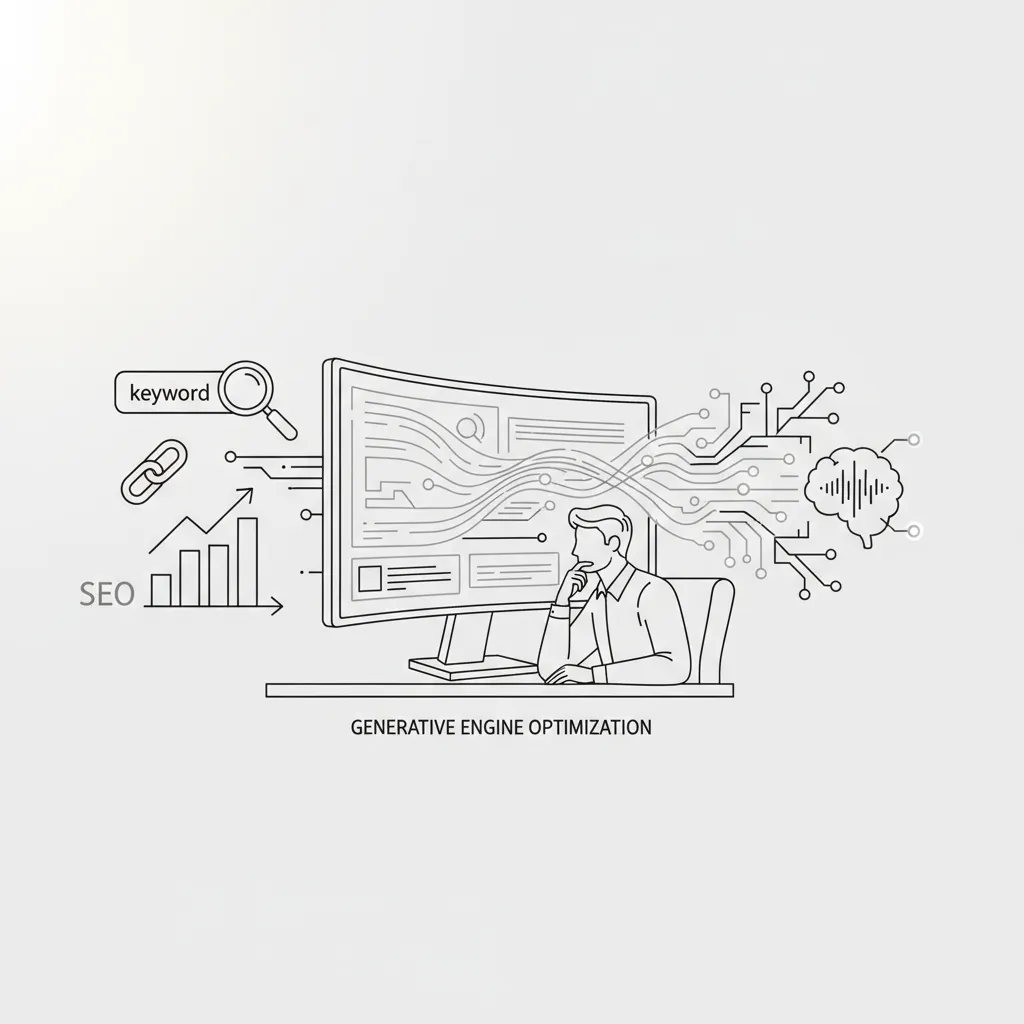
The fundamental difference lies in the end goal. Traditional SEO aims to drive traffic to your website through search engine results pages. Generative engine optimization seeks to establish your content as the trusted source that AI platforms cite, even when users never visit your site directly.
This distinction matters because AI-powered search is rapidly gaining adoption. According to Single Grain, traditional search volume is predicted to drop 25% by 2026, replaced by traffic from generative engines. Companies that fail to adapt risk becoming invisible in this new search landscape. To stay ahead, an entrepreneur must focus on content that provides direct value to these machine-learning models.
The importance of generative engine optimization extends beyond visibility metrics. When AI systems cite your content, they're essentially endorsing your expertise to users. This endorsement carries significant weight because users trust AI recommendations, often viewing cited sources as more authoritative than traditional search results.
For SAAS companies, generative engine optimization offers unique advantages. Software buyers frequently ask complex, technical questions that AI assistants are well-positioned to answer. By optimizing for these queries, SAAS brands can establish thought leadership and influence purchase decisions at critical moments in the buyer's journey.
The Evolution from SEO to GEO
The transition from SEO to generative engine optimization reflects broader changes in user behavior and technology capabilities. Traditional search required users to evaluate multiple results and synthesize information themselves. AI-powered search performs this synthesis automatically, presenting users with comprehensive answers drawn from multiple sources.
This evolution changes how marketers measure success. Click-through rates and organic traffic, while still important, become secondary to citation frequency and brand mentions within AI-generated responses. The shift represents a move from click-based metrics to influence-based metrics. For a modern company, this means prioritizing semantic relevance over simple keyword density.
Consumer search behavior is adapting accordingly. Users increasingly phrase queries conversationally, expecting detailed answers rather than lists of links. This behavior change favors content that directly addresses user intent with comprehensive, well-structured information.
The impact on digital marketing strategies is profound. Content creators must now consider how AI systems will interpret and synthesize their information, not just how search engines will index it. This requires a deeper understanding of natural language processing and information retrieval systems.
Effective Strategies for Implementing GEO
Implementing successful generative engine optimization requires a systematic approach that addresses content structure, technical optimization, and authority building. The most effective strategies focus on making content easily digestible for AI systems while maintaining value for human readers.
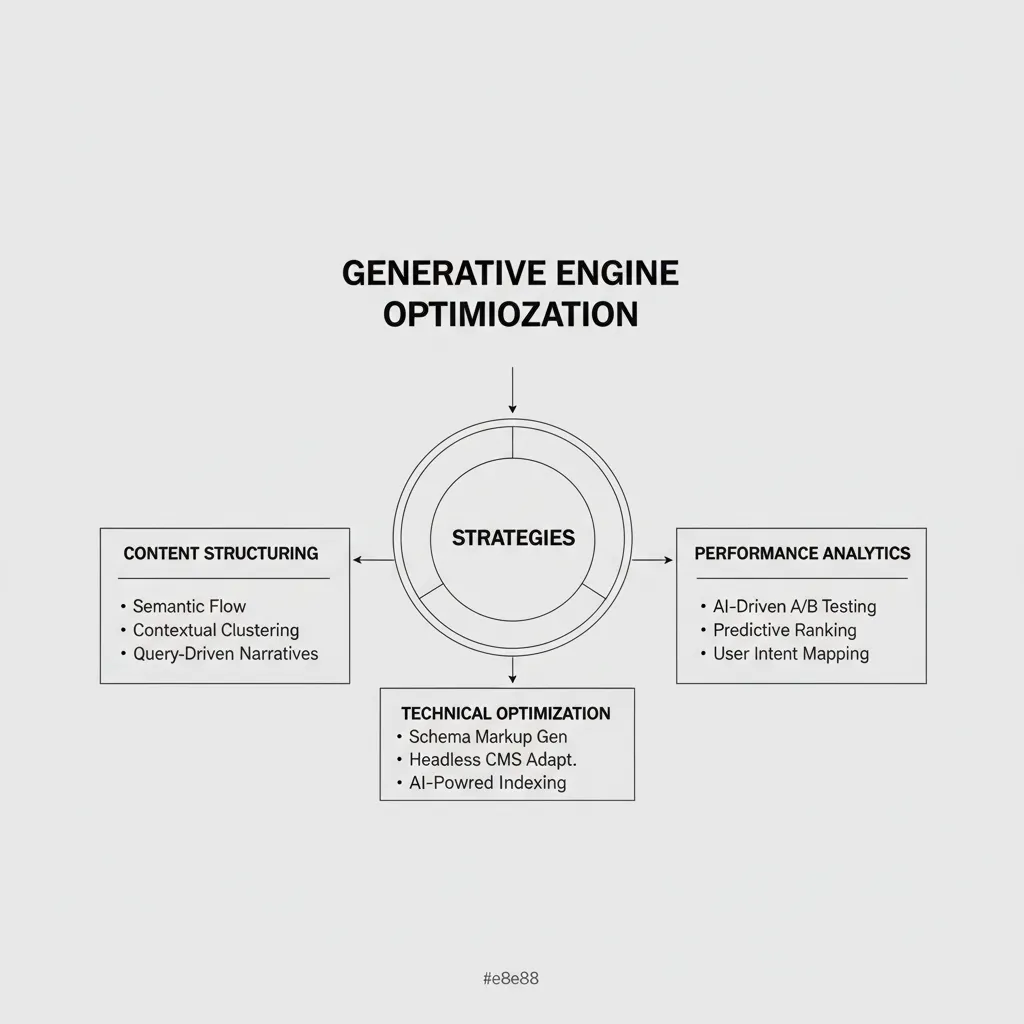
Content structuring forms the foundation of effective generative engine optimization. AI systems excel at processing well-organized information with clear hierarchies and logical flow. This means using descriptive headings, bullet points, and numbered lists to break down complex topics into digestible segments.
Schema markup plays a critical role in generative engine optimization success. Structured data helps AI systems understand content context and relationships, increasing the likelihood of citation. For SAAS companies, implementing schema for software applications, reviews, and FAQs can significantly improve AI visibility. Utilizing an online store or service-based site structure that emphasizes these data points is essential for modern visibility.
Authority signals remain important in the generative engine optimization landscape. AI systems favor content from established, credible sources when generating responses. This makes building domain authority, earning quality backlinks, and demonstrating expertise more valuable than ever.
The technical implementation of generative engine optimization extends beyond traditional SEO factors. Page load speed, mobile optimization, and clean HTML structure all influence how AI systems crawl and interpret content. However, generative engine optimization also requires optimizing for AI-specific factors like content freshness and factual accuracy.
Optimizing Content for AI Platforms
Creating content optimized for AI platforms requires understanding how these systems process and synthesize information. AI models excel at identifying comprehensive answers to specific questions, making it important to structure content around user intent rather than just keyword targeting.
Conversational keywords play an increasingly important role in generative engine optimization. Users interact with AI systems using natural language, asking complete questions rather than typing fragmented keyword phrases. Content that addresses these conversational queries naturally performs better in AI-generated responses.
Comprehensive answers to common industry questions should form the backbone of your generative engine optimization strategy. For SAAS companies, this means creating detailed explanations of software features, implementation processes, and best practices. The goal is becoming the definitive source that AI systems reference for these topics.
Content depth and accuracy are critical for generative engine optimization success. AI systems can identify and avoid citing sources with incomplete or inaccurate information. This makes thorough research and fact-checking essential components of any generative engine optimization strategy. This is particularly vital for an SMB looking to compete with larger brands in niche markets.
| Traditional SEO Focus | Generative Engine Optimization Focus |
|---|---|
| Keyword density | Conversational query coverage |
| Click-through rates | Citation frequency |
| Page rankings | Authority recognition |
| Link building | Entity relationships |
| Traffic generation | Influence building |
Case Studies Showcasing Successful GEO Implementations
Real-world implementations of generative engine optimization demonstrate the tangible benefits of adapting to AI-powered search. Companies across various industries have successfully leveraged generative engine optimization strategies to improve their digital visibility and establish thought leadership.
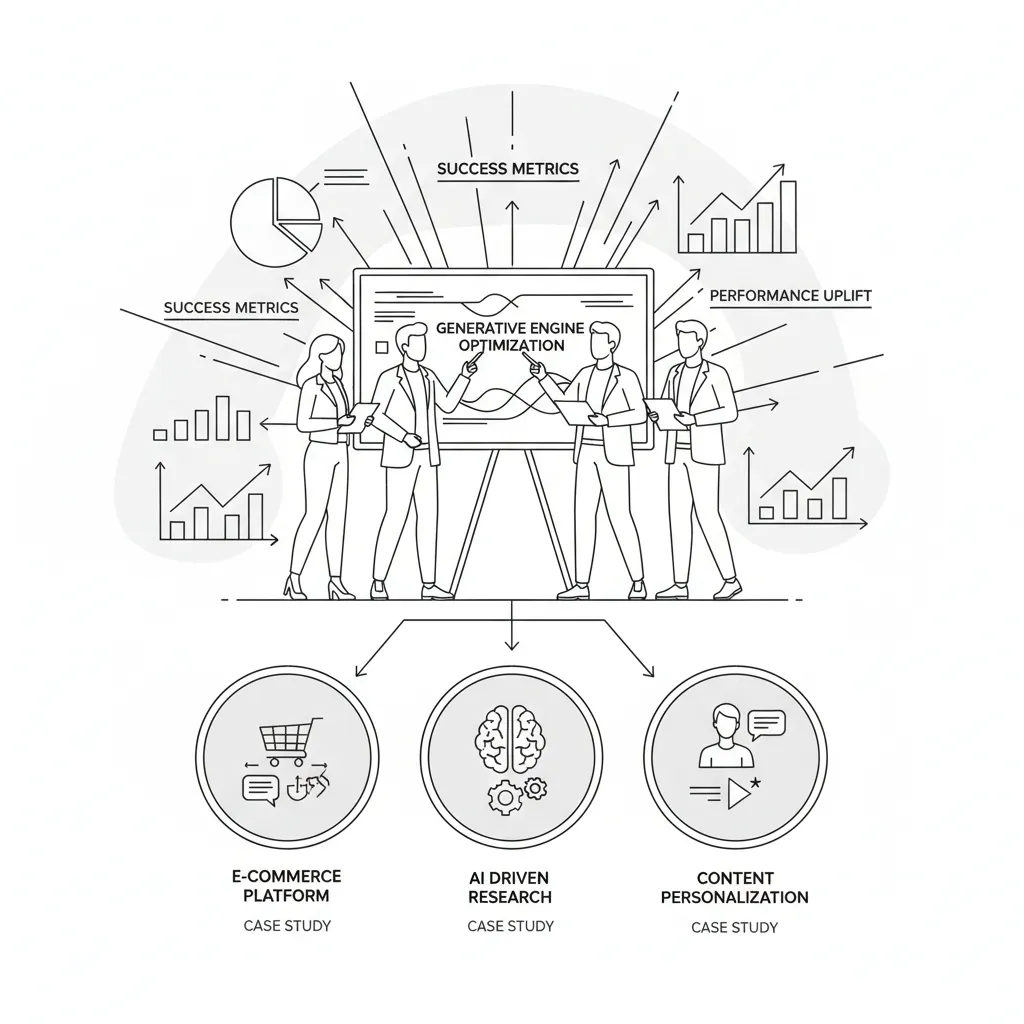
One notable example involves a B2B SAAS company that restructured their knowledge base using generative engine optimization principles. By organizing content around common customer questions and implementing comprehensive schema markup, they increased their AI citation frequency by 340% within six months. The company's technical documentation became the go-to source referenced by AI assistants for industry-specific queries.
Another success story comes from a marketing automation platform that focused on creating conversational content addressing complex workflow questions. Their generative engine optimization strategy included developing detailed case studies with structured data markup and comprehensive FAQ sections. This approach resulted in their content being cited in 67% of AI-generated responses related to marketing automation workflows.
The metrics that matter most in generative engine optimization differ significantly from traditional SEO measurements. While organic traffic remained stable for these companies, brand mention frequency in AI responses increased dramatically. More importantly, the quality of leads improved as prospects arrived with deeper understanding of the companies' expertise.
These implementations demonstrate that generative engine optimization success requires patience and strategic thinking. The benefits compound over time as AI systems learn to associate brands with specific topics and expertise areas. Companies that start optimizing for generative engines now position themselves advantageously for future AI developments.
Lessons Learned from GEO Pioneers
Early adopters of generative engine optimization have identified several key success factors that other organizations can apply. The most successful implementations focus on building genuine expertise rather than gaming AI systems. This approach proves more sustainable and effective long-term.
Consistency across content emerges as a critical factor. Companies that maintain consistent messaging, terminology, and expertise positioning across all content see better AI citation results. This consistency helps AI systems understand and categorize the organization's expertise areas.
Common pitfalls include over-optimizing for AI systems at the expense of human readability. The most successful generative engine optimization strategies balance AI-friendly structure with engaging, valuable content for human readers. This balance ensures content performs well across all channels.
Another important lesson involves the importance of monitoring and adaptation. AI systems evolve rapidly, and successful generative engine optimization requires ongoing adjustment of strategies based on performance data and platform changes. Companies that treat generative engine optimization as a static implementation often see diminishing returns over time.
The Future of Search with Generative Engine Optimization
The future of search will be increasingly dominated by AI-powered systems that synthesize information rather than simply returning links. This evolution makes generative engine optimization not just beneficial but essential for maintaining digital visibility and authority.
Predictions for search engine evolution point toward more sophisticated AI integration across all major platforms. According to Moz, Google's AI Overviews already appear in more than 50% of searches, and this percentage continues growing. Other search engines are implementing similar features, making generative engine optimization universally important.
The role of AI in shaping consumer behavior extends beyond search. AI assistants are becoming primary interfaces for information discovery, product research, and decision-making. This shift makes AI citation more valuable than traditional advertising or content marketing for building brand awareness and trust.
Consumer expectations are evolving to favor instant, comprehensive answers over browsing multiple sources. This behavior change reinforces the importance of generative engine optimization for brands seeking to influence purchase decisions and establish thought leadership.
For SAAS companies, the implications are particularly significant. Software buyers increasingly rely on AI assistants to understand complex technical concepts and compare solutions. Companies that optimize for generative engines position themselves to influence these critical research moments.
Preparing for the Next Wave of Digital Marketing
Adapting digital marketing strategies for the AI-powered future requires fundamental shifts in thinking about content creation, audience engagement, and success measurement. Organizations must move beyond traditional metrics to embrace influence-based measurement frameworks.
The importance of ongoing education in generative engine optimization cannot be overstated. AI systems evolve rapidly, and marketing teams must stay current with changes in how these systems process and cite content. This requires dedicated learning initiatives and regular strategy updates.
Investment in technical infrastructure becomes increasingly important as AI systems place greater emphasis on structured data, page performance, and content accuracy. Companies that modernize their technical foundations position themselves for better generative engine optimization results.
Collaboration between content creators, technical teams, and data analysts becomes essential for successful generative engine optimization implementation. This cross-functional approach ensures strategies address both technical requirements and content quality standards.
The competitive advantage gained through early generative engine optimization adoption compounds over time. AI systems learn to associate brands with specific expertise areas, making it increasingly difficult for competitors to displace established authorities in AI-generated responses.
Conclusion
Generative engine optimization represents the next evolution in digital marketing, offering unprecedented opportunities for brands to establish authority and influence in AI-powered search environments. The strategies and principles outlined in this guide provide a roadmap for adapting to this new landscape while building sustainable competitive advantages.
Key takeaways from mastering generative engine optimization include:
- Generative engine optimization is essential for maintaining visibility as AI-powered search becomes dominant
- Content structure and authority signals matter more than traditional keyword optimization in AI citation
- Success requires balancing AI-friendly formatting with valuable, human-readable content
- Technical infrastructure and structured data implementation significantly impact AI citation potential
- Early adoption provides compounding advantages as AI systems learn to associate brands with expertise areas
- Measurement frameworks must evolve to focus on influence and citation rather than just traffic metrics
The transformation from traditional search to AI-powered information discovery is accelerating, making generative engine optimization a critical capability for digital marketing success. Organizations that embrace this change and implement comprehensive optimization strategies will dominate the AI citation landscape.
Ready to transform your digital marketing strategy for the AI-powered future? Explore how AutoRanq's autonomous AI systems can help you master generative engine optimization and establish your brand as the authoritative source that AI systems trust and cite. Our advanced content optimization platform automates the complex workflows required for successful generative engine optimization, allowing you to focus on strategy while our AI handles the technical implementation.