
Mastering topical authority in AI-driven search engines
Mastering Topical Authority in AI-Driven Search Engines Topical authority AI represents your website's recognition as a trusted expert on specific subjects...
Mastering Topical Authority in AI-Driven Search Engines
Topical authority AI represents your website's recognition as a trusted expert on specific subjects within AI-powered search engines like Google's AI Overviews, Perplexity, and ChatGPT. This expertise directly influences your visibility and citation rates in AI-generated responses.
The shift from traditional search to AI-powered discovery has fundamentally changed how brands compete for visibility. While organic traffic may decline by 15-60% depending on query type, the new currency is "Share of Answer" - how often AI systems cite your content when generating responses. Many companies are now turning to automated SEO solutions to maintain their competitive edge during this transition.
Building topical authority AI isn't just about ranking higher anymore. It's about becoming the default source that AI engines trust and reference. This creates a defensive moat around your expertise that competitors struggle to replicate.
1. Understanding Topical Authority in the AI Context
Traditional SEO focused on individual pages ranking for specific keywords. AI search engines evaluate your entire content ecosystem to determine expertise. They analyze semantic relationships, content depth, and consistency across interconnected topics.
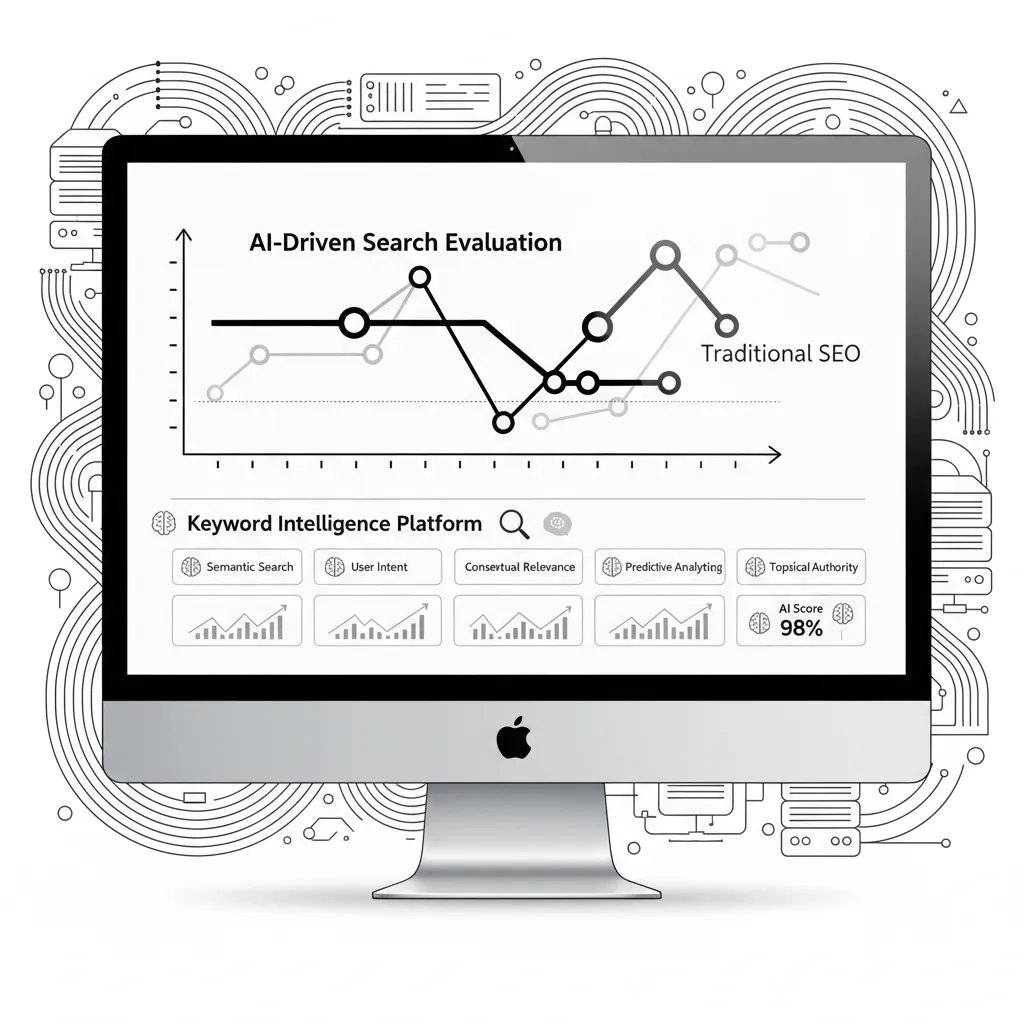
Modern AI systems like ChatGPT and Google's Bard don't just match keywords. They comprehend context, assess knowledge depth, and evaluate the reliability of sources. This fundamental shift means scattered content strategies no longer work.
The evolution reflects how users now interact with search. Instead of clicking through multiple results, they expect comprehensive answers immediately. AI engines must identify sources capable of providing authoritative, nuanced responses across topic clusters.
The Evolution of Search Engines
Search engines have transformed from keyword-matching systems to context-understanding platforms. Google's algorithm updates consistently prioritize expertise, authoritativeness, and trustworthiness (E-A-T) over traditional ranking factors.
AI-powered search takes this further by analyzing content relationships, author credentials, and user engagement patterns. The system evaluates whether your content demonstrates genuine understanding or surface-level coverage. To keep up with these changes, an entrepreneur must focus on building a robust digital presence that speaks directly to these algorithms.
This evolution means topical authority AI requires systematic content development rather than opportunistic keyword targeting. Success depends on building comprehensive knowledge bases that AI systems recognize as authoritative references.
2. Key Components of Building Topical Authority
Building effective topical authority AI requires three foundational elements: content authority, market authority, and AI authority. Each pillar reinforces the others to create sustainable competitive advantages.
Content authority represents the depth and quality of your published material across topic areas. This includes comprehensive coverage, clear explanations, and practical value for users seeking information.
Market authority reflects your reputation and recognition within your industry. This encompasses backlinks from authoritative sources, mentions in industry publications, and social proof from peers and customers.
AI authority measures how frequently AI systems reference your content when generating responses. This metric indicates algorithmic trust and becomes increasingly important as AI-powered search grows. Utilizing AI-powered content analysis can help identify which pillars need the most attention in your current strategy.
Content Clustering Strategies
The pillar and cluster model organizes content around central themes with supporting articles addressing specific subtopics. This structure mirrors how AI systems understand topic relationships and user intent.
Your pillar content provides comprehensive overviews of broad topics, while cluster content dives deep into specific aspects. Internal linking between these pieces signals topical relationships to both users and algorithms.
Effective clustering requires understanding user journeys and information needs at different stages. Map content to awareness, consideration, and decision phases while maintaining topical coherence throughout.
| Content Type | Purpose | Topical Authority Impact |
|---|---|---|
| Pillar Pages | Comprehensive topic overview | Establishes broad expertise |
| Cluster Articles | Deep dives into subtopics | Demonstrates detailed knowledge |
| Supporting Content | Answers specific questions | Builds comprehensive coverage |
3. Techniques for Enhancing Topical Authority
Systematic topic research forms the foundation of effective topical authority AI strategies. Start by mapping your industry's knowledge landscape, identifying content gaps, and understanding how topics interconnect.

Use semantic analysis tools to discover related concepts, questions, and terminology within your domain. This research reveals opportunities to address user needs that competitors miss or handle superficially.
Creating comprehensive content ecosystems requires coordinated planning across multiple content formats. Develop definitive guides, practical tutorials, comparison analyses, and case studies that collectively demonstrate expertise.
Focus on original research, unique data, and firsthand experience that competitors cannot easily replicate. This proprietary content becomes your competitive moat in AI-driven search environments.
Utilizing AI for Content Optimization
AI tools enable real-time content optimization based on performance data and algorithm changes. Automated systems can identify optimization opportunities, suggest content improvements, and track topical authority AI metrics.
Modern AI platforms analyze content performance across multiple search engines and AI systems simultaneously. This comprehensive view helps optimize for both traditional rankings and AI citation rates. For a modern company, these tools are essential for scaling content without sacrificing quality.
Automated SEO audits identify technical issues, content gaps, and optimization opportunities faster than manual analysis. This efficiency allows teams to focus on strategic content development rather than routine maintenance tasks.
4. Measuring Your Topical Authority
Effective topical authority AI measurement requires tracking multiple metrics across content performance, market recognition, and AI citation rates. Traditional SEO metrics provide incomplete pictures of AI-era success.
Content authority metrics include topic coverage breadth, content depth scores, user engagement rates, and internal linking strength. These indicators reveal how comprehensively you address subject areas.
Market authority indicators encompass domain authority, industry backlinks, brand mentions, and expert recognition. These signals demonstrate external validation of your expertise within professional communities.
AI authority tracking involves monitoring citation rates in AI-generated responses, feature snippet appearances, and visibility in AI search platforms. These metrics indicate algorithmic trust levels.
Using Analytics to Refine Strategies
Data interpretation requires understanding relationships between different authority metrics and business outcomes. Correlation analysis reveals which activities most effectively build topical authority AI recognition.
Performance-based strategy adjustments focus on content types, topics, and formats that generate strongest authority signals. This data-driven approach optimizes resource allocation for maximum impact.
Regular auditing identifies declining authority areas before they impact overall performance. Proactive maintenance preserves competitive advantages and prevents authority erosion.
5. Case Studies: Success Stories in Topical Authority
Leading SaaS companies demonstrate effective topical authority AI strategies through systematic content development and strategic positioning. HubSpot exemplifies comprehensive topic ownership in inbound marketing and sales automation.
Their approach combines extensive educational content, original research, and practical tools that collectively establish unquestioned expertise. This ecosystem generates consistent AI citations and maintains market leadership.
Mailchimp demonstrates topical authority AI in email marketing through detailed guides, automation tutorials, and industry research. Their content ecosystem addresses user needs from basic concepts to advanced strategies.
Salesforce maintains authority across multiple related topics including CRM, sales automation, and customer success. Their interconnected content strategy reinforces expertise across complementary subject areas.
Analyzing Successful Implementations
Successful topical authority AI implementations share common characteristics: comprehensive topic coverage, consistent publishing schedules, and strategic internal linking structures that guide users through learning journeys.
These brands invest in original research, expert authorship, and community engagement that extends beyond content creation. They build ecosystems where expertise demonstrates itself through multiple touchpoints.
Impact measurement focuses on long-term authority building rather than short-term traffic gains. This perspective enables sustained investment in comprehensive content development that compounds over time.
The Future of Topical Authority AI
Emerging trends indicate increasing sophistication in how AI systems evaluate expertise and authority. Future developments will likely emphasize real-time content analysis, dynamic authority scoring, and personalized expertise matching.
Voice search and conversational AI interfaces will prioritize sources capable of providing nuanced, contextual responses. This evolution favors comprehensive content ecosystems over isolated high-ranking pages.
The integration of user behavior signals, expert verification systems, and community engagement metrics will create more sophisticated authority evaluation frameworks. Brands must prepare for these evolving standards by adopting innovative SEO tools that anticipate these shifts.
Building Your Topical Authority AI Strategy
Developing effective topical authority AI requires systematic planning, consistent execution, and continuous optimization based on performance data. Start by auditing your current content landscape and identifying authority gaps.
Map your industry's topic clusters and prioritize areas where you can realistically build comprehensive expertise. Focus on subjects where you have unique insights, data, or experience that competitors cannot easily replicate.
Create content calendars that systematically address topic clusters while maintaining publishing consistency. This structured approach builds algorithmic confidence in your expertise over time.
Common Pitfalls and How to Avoid Them
Many organizations attempt to build topical authority AI across too many subjects simultaneously. This scattered approach dilutes expertise signals and confuses both users and algorithms about your core competencies.
Surface-level content that lacks depth or practical value fails to demonstrate genuine expertise. AI systems increasingly recognize and penalize thin content that doesn't provide substantial user value.
Inconsistent publishing schedules undermine authority building efforts. Regular content creation signals ongoing expertise development and maintains algorithmic attention on your domain.
Ignoring technical SEO fundamentals while focusing solely on content creation limits topical authority AI potential. Ensure proper site structure, loading speeds, and mobile optimization support your content strategy.
Advanced Topical Authority AI Techniques
Sophisticated topical authority AI strategies incorporate semantic keyword research, entity optimization, and content relationship mapping. These techniques help AI systems understand your expertise boundaries and specializations.
Cross-platform content syndication extends authority signals beyond your primary website. Strategic republishing on industry platforms and social networks amplifies expertise recognition.
Expert collaboration and guest authorship add credibility signals that AI systems recognize. Featuring industry experts in your content ecosystem demonstrates connections to authoritative sources.
Original research publication and data sharing create citation opportunities that strengthen authority signals. Other websites referencing your research generates backlinks and recognition from AI systems.
Conclusion
Mastering topical authority AI represents the future of sustainable SEO success in an AI-driven search landscape. Organizations that build comprehensive expertise recognition will maintain competitive advantages as traditional ranking factors lose effectiveness.
Key takeaways for building effective topical authority AI:
- Focus on comprehensive topic coverage rather than scattered keyword targeting
- Develop systematic content ecosystems that demonstrate genuine expertise
- Measure success through AI citation rates and authority metrics, not just traffic
- Invest in original research and proprietary content that competitors cannot replicate
- Maintain consistent publishing schedules and strategic internal linking structures
- Monitor performance across multiple AI platforms and adjust strategies accordingly
The shift to AI-powered search creates both challenges and opportunities for content marketers. Those who adapt their strategies to build genuine topical authority AI will thrive, while organizations clinging to outdated approaches will struggle for visibility.
Ready to accelerate your topical authority AI development? Explore AutoRanq's AI-powered solutions to automate content optimization, identify emerging opportunities, and build comprehensive expertise recognition that AI systems trust and cite consistently.