Overcoming marketing content generation stress with AI solutions
Overcoming Marketing Content Generation Stress with AI Solutions Marketing content generation stress affects 70% of digital marketers who struggle with...
Overcoming Marketing Content Generation Stress with AI Solutions
Marketing content generation stress affects 70% of digital marketers who struggle with demanding deadlines, quality expectations, and scaling content production. AI solutions reduce this stress by automating workflows, optimizing SEO performance, and identifying trending topics, allowing marketers to focus on strategic initiatives rather than repetitive tasks.
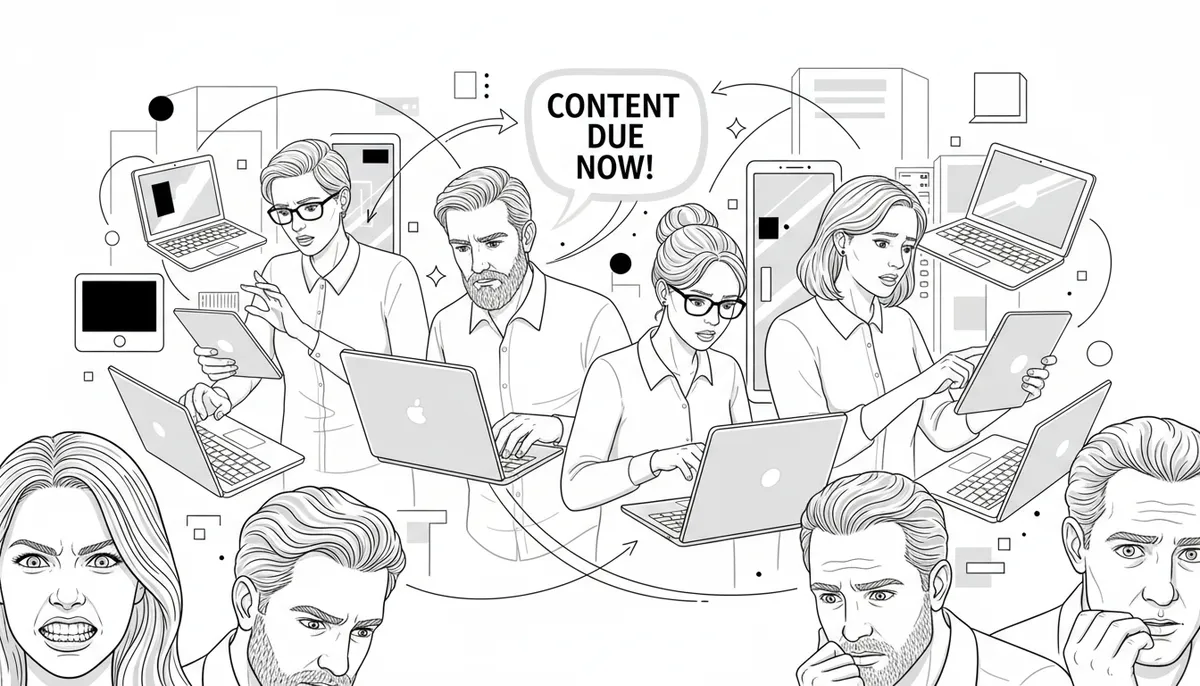
Content creation has become the bottleneck that breaks marketing teams. You plan ambitious content strategies, set aggressive publishing schedules, then watch deadlines slip as your team drowns in research, writing, and optimization tasks. The pressure is real. Search engines reward comprehensive content libraries. AI chatbots favor brands with authoritative resources. Your competitors publish daily while you debate hiring another writer.
The math doesn't work anymore. Manual content creation takes 15-20 hours per article when you factor in keyword research, competitive analysis, drafting, revisions, and SEO optimization. That's nearly a full work week for a single piece of content. Meanwhile, content demands have tripled while team sizes stayed flat. Many companies are now looking to scale SEO content production to keep up with these rising market expectations.
Marketing content generation stress isn't just about workload—it's about the impossible equation modern teams face. Create more content, maintain higher quality, do it faster, and somehow stay within budget. This pressure creates a cycle where stressed teams produce rushed content that underperforms, leading to even more pressure to produce more.
1. Understanding the Stressors in Content Generation
Content generation stress stems from multiple pressure points that compound throughout your marketing workflow. Tight deadlines create rushed decisions. Quality expectations demand extensive research and revision cycles. SEO requirements add technical complexity that most writers struggle to master consistently.

The biggest stressor? Unpredictability. You never know how long a piece will take because every topic requires different research depth, every keyword cluster demands unique optimization approaches, and every content format follows different best practices. This uncertainty makes planning impossible and stress inevitable.
Modern content teams face what psychologists call "cognitive overload"—too many decisions, too many variables, too many competing priorities. Writers must simultaneously think about audience needs, search intent, keyword density, internal linking opportunities, and brand voice consistency. The mental bandwidth required for quality content creation exceeds what most humans can sustain long-term.
Marketing content generation stress also creates a feedback loop of declining performance. Stressed teams make more errors, miss optimization opportunities, and produce content that fails to engage audiences or rank well. Poor performance increases pressure to produce more content, which increases stress levels further.
Common Challenges in Content Workflows
Time constraints dominate every content decision. You need comprehensive guides but only have hours, not days. You want data-driven insights but research takes longer than writing. You know quality matters but deadlines force compromises that hurt long-term performance.
Maintaining content quality becomes nearly impossible under pressure. Writers rush through research phases, skip competitive analysis, and publish without thorough optimization. The result is content that looks complete but lacks the depth and authority that search engines and audiences expect in 2026. Implementing a structured AI content generation workflow can help mitigate these quality risks by standardizing the production pipeline.
Context switching destroys productivity. Your team jumps between keyword research tools, writing platforms, SEO analyzers, and content management systems. Each tool switch requires mental reorientation, breaking the creative flow that produces engaging content. Studies show it takes an average of 23 minutes to refocus after each interruption.
| Workflow Stage | Manual Time Required | Common Stress Points | Quality Impact |
|---|---|---|---|
| Keyword Research | 2-3 hours | Tool complexity, data overload | Poor targeting |
| Content Planning | 1-2 hours | Structure decisions, scope creep | Weak organization |
| Writing & Drafting | 4-6 hours | Blank page syndrome, voice consistency | Inconsistent tone |
| SEO Optimization | 2-3 hours | Technical requirements, tool juggling | Poor rankings |
| Editing & Review | 2-4 hours | Multiple revisions, approval delays | Delayed publishing |
2. The Role of AI in Automating Content Generation
AI transforms content generation from a manual craft into a systematic process. Instead of starting with blank pages, your team starts with intelligent briefs that include keyword clusters, competitive insights, and content structures. Instead of spending hours on research, AI agents gather data, analyze competitors, and identify content gaps in minutes.
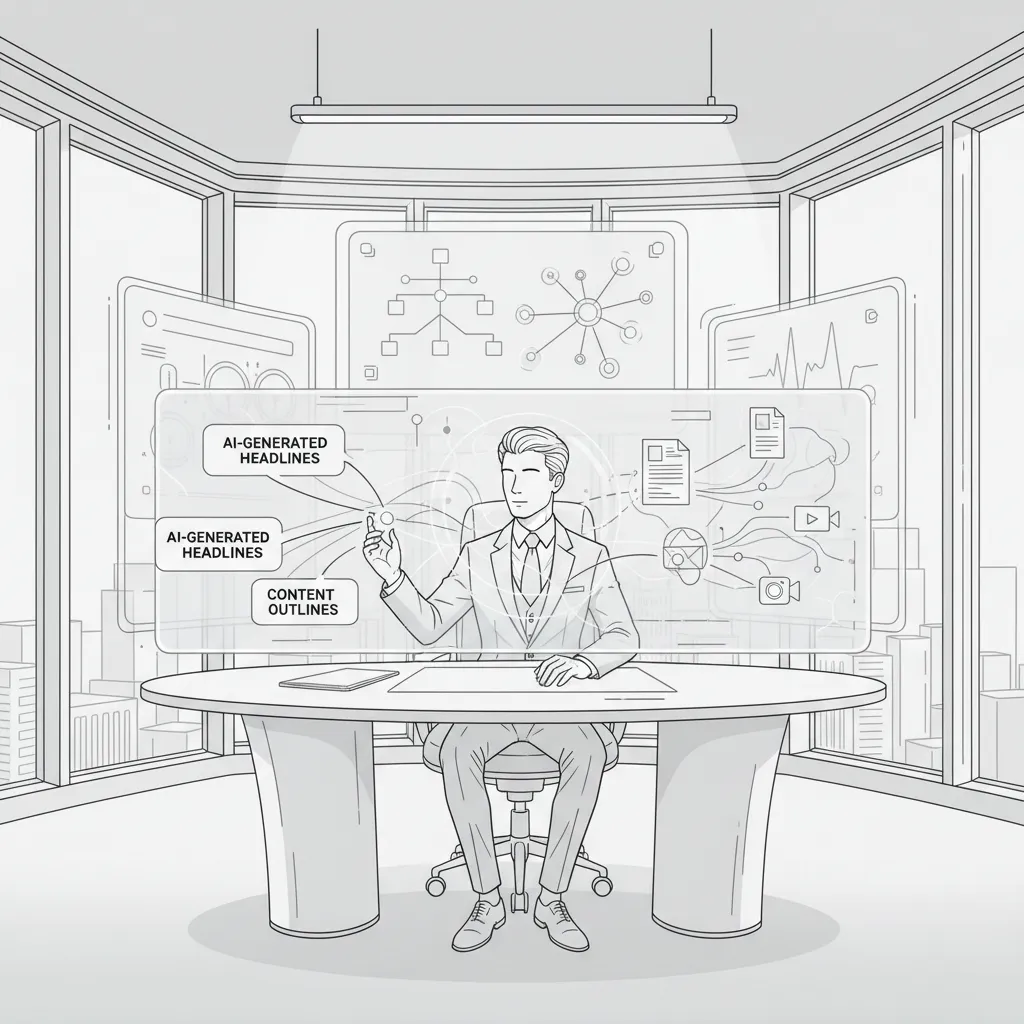
The key difference between basic AI writing tools and sophisticated content generation systems lies in specialization. Generic AI tools produce generic content. Specialized AI agents understand the unique requirements of different content formats, audience needs, and optimization goals. This is why many SMBs are turning to automated SEO content generation to maintain a competitive edge without increasing headcount.
Modern AI content systems don't replace human creativity—they amplify it. Your team's strategic insights, brand knowledge, and market understanding become the foundation that guides intelligent automation. The system handles repetitive, time-intensive work while you maintain creative control and strategic direction.
AI reduces marketing content generation stress by eliminating the unpredictability that makes planning impossible. When you know research will take 15 minutes instead of 3 hours, when drafts are ready for editing instead of creation, when optimization happens automatically instead of manually, your team can finally plan realistic timelines and deliver consistently.
"AI content generation isn't about replacing human expertise—it's about giving your team the leverage to accomplish what was previously impossible: maintaining consistent publishing cadence while covering keyword clusters comprehensively."
— Sight AI Research
Key AI Tools for Content Automation
Leading AI content generation platforms offer specialized agents for different content types. Listicle agents understand comparative structures and scannable formatting. Guide agents create step-by-step instructions with actionable frameworks. Explainer agents break down complex topics into digestible sections using effective analogies.
These tools integrate seamlessly into existing workflows through API connections and automation platforms. Your content management system receives optimized drafts automatically. Your SEO tools get pre-optimized content that requires minimal manual adjustment. Your publishing schedule stays on track because content production becomes predictable.
The most effective AI content tools combine multiple capabilities: keyword research, competitive analysis, content generation, SEO optimization, and performance tracking. This integration eliminates the context switching that destroys productivity and creates the seamless workflows that reduce marketing content generation stress.
3. Strategies for Implementing AI Solutions
Successful AI implementation starts with identifying your biggest content bottlenecks. Most teams discover that research and optimization consume more time than actual writing. AI excels at these data-intensive tasks, making them ideal starting points for automation.
Begin with one content type and perfect the workflow before expanding. If blog posts create the most stress, focus AI implementation there first. Master the research-to-publish pipeline for articles before tackling guides, case studies, or other formats. This focused approach prevents overwhelming your team with too many changes simultaneously.
Integration planning prevents the tool sprawl that creates new stress. Choose AI platforms that connect with your existing content management system, SEO tools, and analytics platforms. Seamless integration maintains familiar workflows while adding AI capabilities behind the scenes. For those looking to scale rapidly, an SEO content creation autopilot system can handle the heavy lifting of production while the team focuses on high-level strategy.
Training your team on AI tools requires a different approach than traditional software training. Focus on strategic oversight rather than technical operation. Your writers need to understand how to guide AI agents, not how to operate them manually. Your editors need to know what to review, not how to generate content themselves.
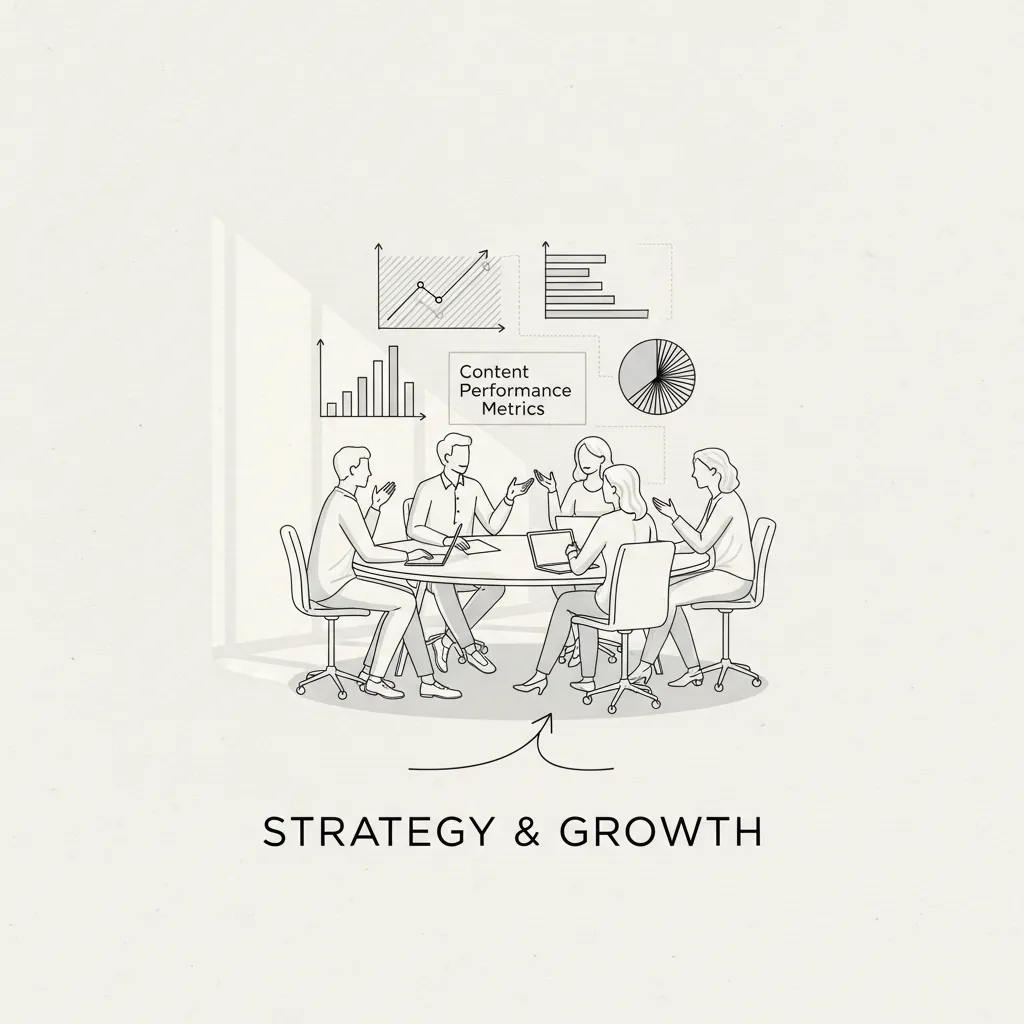
Measuring AI impact requires new metrics beyond traditional content performance. Track time savings, workflow efficiency, and stress indicators alongside traffic and rankings. Teams that reduce marketing content generation stress often see improved creativity and strategic thinking that doesn't show up in immediate analytics.
Evaluating Your Current Content Workflow
Workflow auditing reveals where AI can provide the biggest impact. Document every step in your current content creation process, from initial keyword research through final publishing. Time each stage and identify where your team experiences the most frustration or delays.
Bottleneck identification helps prioritize AI implementation. If research takes longer than writing, focus on AI research tools first. If optimization creates delays, prioritize automated SEO features. If publishing workflows cause stress, emphasize content management system integration.
Setting measurable goals for AI integration ensures you can track progress and ROI. Target specific time savings, quality improvements, or stress reduction metrics. Industry data shows teams typically achieve 60-80% time savings within 90 days of proper AI implementation.
4. Case Studies of Successful AI Implementation
Mid-size SaaS companies report the most dramatic improvements from AI content generation. One customer support platform reduced their content team's weekly hours from 80 to 32 while increasing monthly article output from 12 to 45 pieces. The key was implementing AI research and drafting tools that eliminated the blank page problem that created the most stress.
E-commerce brands using AI for product content creation see particularly strong results. One fashion retailer automated product descriptions, buying guides, and category pages using AI agents trained on their brand voice. Marketing content generation stress dropped significantly as the team shifted from writing individual product descriptions to strategic campaign planning.
B2B service companies benefit from AI's ability to handle complex technical content. A cybersecurity firm used AI to research industry trends, draft technical explainers, and optimize content for search visibility. Their content team went from dreading technical writing assignments to focusing on strategic positioning and thought leadership. By utilizing automated blog content systems, they were able to maintain a high-frequency publishing schedule without burning out their subject matter experts.
The common thread across successful implementations is gradual adoption with strong human oversight. Teams that try to automate everything immediately often struggle with quality control and brand consistency. Those that start with specific pain points and scale systematically achieve better results with less stress.
Lessons Learned from AI Success Stories
Quality control remains critical even with advanced AI tools. Successful teams establish clear review processes that focus on strategic alignment rather than grammar and syntax. AI handles technical accuracy and optimization while humans ensure brand voice and strategic messaging.
Change management determines implementation success more than tool selection. Teams that communicate AI benefits clearly, train thoroughly, and celebrate early wins see faster adoption and better results. Those that treat AI as a threat to creativity rather than a productivity amplifier struggle with resistance and poor outcomes.
Continuous optimization improves AI performance over time. The most successful implementations include feedback loops where human editors rate AI output quality, helping the system learn brand preferences and improve future content. This collaborative approach reduces marketing content generation stress while maintaining high standards.
5. Future Trends in AI-Driven Content Generation
AI content generation technology continues advancing rapidly. Next-generation systems will understand visual content, create multimedia assets, and optimize for voice search simultaneously. These capabilities will further reduce marketing content generation stress by handling even more complex content requirements automatically.
Integration with emerging search technologies will reshape content optimization. AI systems are already adapting content for traditional search engines and AI chatbots simultaneously. Future tools will optimize for voice search, visual search, and augmented reality experiences without requiring separate workflows.
Personalization capabilities will enable content that adapts to individual reader preferences automatically. Instead of creating one article for broad audiences, AI will generate variations optimized for different user segments, geographic regions, or device types. This mass customization approach will improve engagement while reducing the complexity that creates stress.
Real-time optimization will become standard as AI systems monitor content performance and adjust automatically. Articles will update their keyword targeting, internal linking, and structure based on actual search behavior and user engagement patterns. This dynamic approach eliminates the guesswork that makes content strategy stressful.
Collaborative AI agents will work together on complex content projects. Research agents will hand off insights to writing agents, which will collaborate with optimization agents and publishing agents. This multi-agent approach will handle entire content campaigns automatically while maintaining human strategic oversight.
Preparing for the Future of Content Marketing
Staying competitive requires understanding how AI will reshape content marketing roles. Writers will focus more on strategy and brand voice while AI handles research and drafting. Editors will emphasize strategic alignment over grammar checking. Content managers will orchestrate AI workflows rather than manage manual processes.
Investing in AI literacy becomes as important as traditional marketing skills. Teams that understand how to prompt, guide, and optimize AI systems will have significant advantages over those that rely purely on manual processes. This knowledge gap will determine which organizations can scale content production without increasing stress.
Continuous learning and adaptation will separate successful content teams from struggling ones. AI technology evolves rapidly, and the tools that work today may be obsolete next year. Teams that embrace experimentation and stay current with AI developments will maintain their competitive edge while reducing marketing content generation stress long-term.
| Future AI Capability | Timeline | Stress Reduction Impact | Implementation Complexity |
|---|---|---|---|
| Multi-format content generation | 2026-2027 | High | Medium |
| Real-time performance optimization | 2026-2027 | Very High | Low |
| Voice and visual search optimization | 2027-2028 | Medium | High |
| Automated content personalization | 2027-2028 | High | Medium |
| Multi-agent content workflows | 2028-2029 | Very High | High |
Conclusion
Marketing content generation stress affects the majority of modern marketing teams, but AI solutions provide a clear path forward. By automating research, drafting, and optimization tasks, AI eliminates the unpredictability and time pressure that create stress while enabling teams to focus on strategic initiatives that drive real business results.
The transformation from manual content creation to AI-powered workflows represents more than just efficiency gains. It's about reclaiming your team's creative energy and strategic focus. When AI handles the repetitive, time-intensive work, your marketers can concentrate on brand positioning, audience insights, and campaign innovation that actually differentiates your business.
Key takeaways for overcoming marketing content generation stress:
- Identify your biggest content bottlenecks - Research and optimization typically consume more time than actual writing
- Start with one content type - Perfect AI workflows for your most stressful content format before expanding
- Focus on integration - Choose AI tools that connect seamlessly with your existing content management and SEO platforms
- Maintain human oversight - AI handles execution while humans guide strategy and ensure brand consistency
- Measure beyond traffic metrics - Track time savings, workflow efficiency, and team stress indicators alongside traditional performance data
- Plan for continuous evolution - AI technology advances rapidly, requiring ongoing adaptation and learning
The organizations that thrive in 2026 and beyond will be those that embrace AI as a strategic advantage rather than viewing it as a threat to creativity. Marketing content generation stress is solvable, but it requires the right tools, processes, and mindset to transform your content operations from a source of pressure into a competitive advantage.