
Real-time content optimization for enhanced visibility
Real-time Content Optimization for Enhanced Visibility Real-time content optimization continuously updates and improves content based on current data, user...
Real-time Content Optimization for Enhanced Visibility
Real-time content optimization continuously updates and improves content based on current data, user behavior, and emerging trends to maximize visibility and engagement across digital channels.
Modern marketers face an impossible challenge. Search algorithms change weekly. User preferences shift daily. Competitors publish constantly. Your content strategy from last month already feels outdated.
The solution isn't working harder. It's working smarter through real-time content optimization that adapts to market changes as they happen. This approach transforms static content into dynamic assets that evolve with your audience's needs. Many SMB owners are now turning to these automated solutions to stay competitive without increasing headcount.
Smart marketers understand this shift. They're moving from quarterly content reviews to systems that optimize every piece of content continuously. The results speak for themselves: higher engagement, better search rankings, and content that stays relevant longer.
Understanding Real-time Content Optimization
Real-time content optimization represents a fundamental shift from traditional content management. Instead of creating content and hoping it performs, you monitor performance indicators continuously and adjust accordingly.
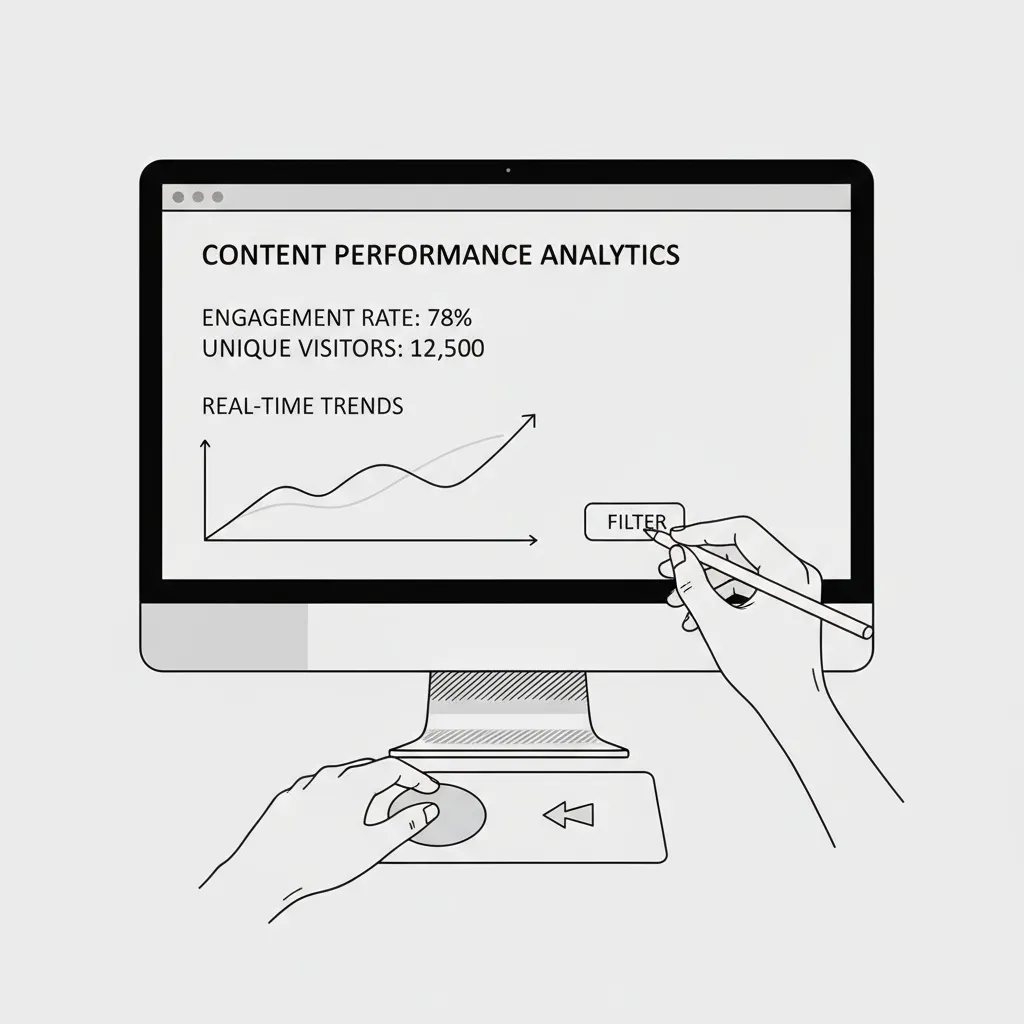
This approach matters because user behavior changes rapidly. What worked yesterday might fail today. According to Semrush research, content that adapts to real-time signals outperforms static content by significant margins.
The process involves several key components. First, you establish monitoring systems that track content performance across multiple metrics. Second, you create feedback loops that identify optimization opportunities. Third, you implement changes quickly without disrupting user experience.
Traditional content optimization happens in cycles. You publish content, wait weeks for data, then make changes. Real-time optimization eliminates this delay. Changes happen within hours or days based on actual user behavior. For a modern online store, this speed can be the difference between a sale and a bounce.
This speed advantage compounds over time. While competitors wait for quarterly reviews, your content improves daily. Small optimizations accumulate into significant performance gains.
Key Features of Real-time Optimization
Dynamic adjustments form the core of real-time content optimization. Your content management system monitors performance indicators and suggests improvements automatically. When user engagement drops, the system identifies specific elements that need attention.
User behavior analysis drives these adjustments. Heat mapping tools show where users click, scroll, and exit. Search analytics reveal which queries bring traffic and which pages fail to convert. Social media monitoring identifies trending topics relevant to your audience.
The system processes this data continuously. Machine learning algorithms identify patterns humans might miss. They spot declining engagement before it becomes obvious in monthly reports. They detect emerging opportunities while competitors still analyze last quarter's data.
Automated workflows execute many optimizations without human intervention. Title tags update based on search performance. Meta descriptions adjust to improve click-through rates. Internal links reorganize to match user navigation patterns.
Benefits of Real-time Content Optimization
Companies implementing real-time content strategies report dramatic improvements in key performance indicators. According to AirOps research, businesses using automated optimization workflows see engagement increases of 45% within the first quarter of implementation.

These improvements stem from content that stays relevant longer. Instead of watching performance decline over months, you maintain peak effectiveness through continuous refinement. Your content adapts to algorithm changes, seasonal trends, and shifting user preferences automatically.
Higher conversion rates follow naturally from improved engagement. When content matches user intent precisely, visitors take desired actions more frequently. Real-time optimization ensures this alignment persists as market conditions change. Every entrepreneur knows that maintaining this relevance is vital for long-term ROI.
The competitive advantage grows over time. While other companies struggle with outdated content, your assets stay fresh and relevant. This consistency builds trust with both users and search engines.
Resource efficiency improves significantly. Instead of major content overhauls every quarter, you make small adjustments continuously. This approach requires less time and produces better results than traditional optimization cycles.
Impact on SEO Performance
Search engine rankings improve when content stays aligned with user intent. Real-time optimization helps maintain this alignment as search behavior evolves. Your pages adapt to new keyword variations and emerging search patterns automatically.
Enhanced user experience signals contribute to better rankings. When optimization systems reduce bounce rates and increase time on page, search engines interpret these signals as quality indicators. Your content ranks higher because it genuinely serves user needs better.
Technical SEO benefits accumulate through automated optimizations. Page speed improvements, mobile responsiveness adjustments, and structured data updates happen without manual intervention. These technical factors influence rankings significantly in competitive markets.
Tools and Strategies for Real-time Content Optimization
Modern optimization requires sophisticated tools that process data continuously and suggest actionable improvements. Advanced platforms like Rank Monitor analyze entire search result pages and provide step-by-step optimization guidance based on real competitor data.

The most effective tools combine multiple data sources. They monitor search rankings, user behavior, competitor activity, and social media trends simultaneously. This comprehensive approach identifies optimization opportunities other systems miss.
Implementation requires careful planning. Start with high-impact pages that drive significant traffic or conversions. Establish baseline metrics before implementing optimization systems. This approach lets you measure improvement accurately.
Best practices focus on gradual implementation. Don't optimize everything simultaneously. Choose specific content types or website sections for initial testing. Monitor results carefully before expanding to additional areas. For a solo freelancer, starting with the top three service pages is often the most effective strategy.
Quality controls prevent optimization systems from making harmful changes. Set boundaries for automated adjustments. Require human approval for major modifications. This balance maintains content quality while enabling rapid improvement.
Comparative Analysis of Optimization Tools
| Tool Category | Key Features | Best For | Pricing Range |
|---|---|---|---|
| AI Content Platforms | SERP analysis, automated optimization, real-time scoring | Enterprise content teams | $200-$1000/month |
| Analytics Suites | Performance monitoring, behavior tracking, conversion analysis | Data-driven marketers | $100-$500/month |
| Workflow Automation | Task automation, approval workflows, content scheduling | Scaling operations | $50-$300/month |
| Real-time Monitoring | Live performance tracking, instant alerts, competitor monitoring | Competitive markets | $150-$800/month |
Leading tools integrate seamlessly with existing content management systems. They provide clear dashboards that show optimization opportunities without overwhelming users with data. The best platforms balance automation with human control.
Feature comparison reveals significant differences between tools. Some excel at technical SEO optimization. Others focus on content quality improvements. Choose tools that match your specific optimization goals and technical capabilities.
User reviews consistently highlight ease of implementation as a critical factor. Tools that require extensive technical setup often fail to deliver promised benefits. Prioritize solutions that integrate quickly and show results within weeks.
Real-time Content Optimization Case Studies
E-commerce companies demonstrate the most dramatic results from real-time optimization. One major retailer implemented automated product description optimization and saw conversion rates increase by 60% within six months. The system adjusted descriptions based on search trends and competitor analysis continuously.
Publishing companies achieve similar success through dynamic content adjustments. A leading technology publication uses real-time optimization to update article titles, meta descriptions, and internal links based on trending topics. Their organic traffic increased 80% year-over-year after implementation.
SaaS companies benefit from optimizing landing pages and blog content simultaneously. One marketing automation platform optimized their content for different user segments in real-time. Lead quality improved 35% while maintaining the same traffic volume.
The common factor across successful implementations is commitment to data-driven decision making. Companies that trust optimization algorithms and resist manual interference see better results than those who second-guess automated recommendations.
Lessons learned emphasize the importance of patience during initial implementation. Most companies see minor improvements within weeks but significant gains take 3-6 months. The compounding effect of small optimizations requires time to manifest fully.
Industry-specific Examples
E-commerce optimization focuses heavily on product pages and category descriptions. Successful retailers optimize for seasonal trends, competitor pricing changes, and inventory levels automatically. This approach maintains relevance during peak shopping periods when manual optimization becomes impossible.
Publishing industry applications center on article optimization and trending topic integration. News websites update headlines and meta descriptions based on social media engagement and search volume changes. This responsiveness helps content stay visible as stories develop.
Financial services companies optimize educational content and landing pages for regulatory changes and market conditions. Real-time systems adjust messaging when market volatility affects user concerns or when new regulations require compliance updates.
Healthcare organizations use optimization to maintain accuracy while improving accessibility. Content updates reflect new research findings and treatment guidelines automatically while maintaining medical accuracy through human oversight.
Implementing Real-time Content Optimization Systems
Successful implementation starts with clear objectives and realistic expectations. Define specific metrics you want to improve through real-time content optimization. Focus on business outcomes rather than vanity metrics that don't impact revenue.
Technical infrastructure requirements vary significantly between solutions. Cloud-based platforms offer faster deployment but may have data security limitations. On-premise solutions provide more control but require substantial technical resources for implementation and maintenance.
Team training becomes critical for long-term success. Content creators need to understand how optimization systems work and when to trust automated recommendations. Editors require skills to review and approve system-generated changes efficiently.
Change management challenges emerge when transitioning from manual to automated optimization. Some team members resist algorithmic recommendations, preferring traditional editorial judgment. Address these concerns through gradual implementation and clear success metrics.
Data integration complexity increases with the number of systems involved. Optimization platforms need access to analytics data, content management systems, and user behavior tracking. Plan integration carefully to avoid data silos that limit optimization effectiveness.
Quality assurance processes must evolve to accommodate automated changes. Establish review workflows that catch potential issues without slowing optimization speed. This balance requires careful calibration based on your content standards and risk tolerance.
Measuring Success in Real-time Optimization
Performance measurement requires tracking multiple metrics simultaneously. Engagement rates, search rankings, and conversion data provide different perspectives on optimization effectiveness. Avoid focusing on single metrics that might not reflect overall performance.
Baseline establishment proves critical for accurate measurement. Document current performance levels before implementing optimization systems. This historical data helps identify genuine improvements versus natural fluctuations in performance.
Attribution becomes complex when multiple optimizations happen simultaneously. Advanced analytics platforms help identify which changes drive specific improvements. This insight guides future optimization strategies and resource allocation.
Reporting frequency should match optimization speed. Daily reports help identify issues quickly but may show too much noise to be useful. Weekly summaries often provide the right balance of timeliness and clarity for most organizations.
ROI calculation must account for both direct benefits and time savings. Real-time optimization reduces manual labor while improving performance. Include these efficiency gains when calculating return on investment for optimization systems.
Future Trends in Real-time Content Optimization
Artificial intelligence capabilities continue expanding rapidly. Future optimization systems will understand content context better and make more sophisticated recommendations. Natural language processing improvements enable systems to maintain brand voice while optimizing for performance.
Predictive optimization represents the next evolution beyond real-time adjustment. Systems will anticipate market changes and adjust content proactively rather than reactively. This capability helps content stay ahead of trends instead of following them.
Cross-platform optimization becomes increasingly important as content appears across multiple channels. Future systems will optimize content simultaneously for search engines, social media, and email marketing while maintaining consistency across platforms.
Privacy regulations continue affecting optimization capabilities. Systems must balance personalization with user privacy requirements. This constraint drives innovation in optimization techniques that don't rely on personal data collection.
Voice search optimization gains importance as smart speakers become more prevalent. Real-time systems will need to optimize content for both traditional text searches and conversational voice queries simultaneously.
Integration with emerging technologies like augmented reality and virtual reality will require new optimization approaches. Content must perform well across traditional screens and immersive environments simultaneously.
Overcoming Common Implementation Challenges
Resource allocation challenges arise when implementing comprehensive optimization systems. Many organizations underestimate the time required for proper setup and training. Plan for 3-6 months of intensive implementation effort before expecting full benefits.
Technical debt from legacy systems often complicates integration. Older content management platforms may lack APIs necessary for real-time optimization. Budget for potential system upgrades or custom integration development.
Resistance to automation affects adoption rates significantly. Content teams worry about losing creative control to algorithmic recommendations. Address these concerns through transparent communication about how systems enhance rather than replace human judgment.
Data quality issues undermine optimization effectiveness. Inaccurate analytics data leads to poor optimization decisions. Audit data sources carefully before implementing automated systems that depend on this information.
Scalability problems emerge as content volume grows. Systems that work well for hundreds of pages may struggle with thousands. Choose platforms designed to handle your projected content volume growth over several years.
Vendor lock-in risks increase with sophisticated optimization platforms. Ensure you can export data and migrate to alternative solutions if necessary. This flexibility protects your investment in optimization data and processes.
Building Your Real-time Optimization Strategy
Strategic planning begins with content audit and goal setting. Identify which content types drive the most business value and prioritize optimization efforts accordingly. This focus ensures maximum impact from limited resources.
Competitive analysis reveals optimization opportunities your rivals might miss. Study how competitors optimize their content and identify gaps in their strategies. Real-time systems help you exploit these weaknesses faster than manual approaches.
Budget allocation should balance tool costs with potential returns. Premium optimization platforms cost more but often deliver proportionally better results. Calculate potential revenue increases to justify investment in advanced capabilities.
Team structure affects optimization success significantly. Designate specific team members as optimization champions who understand both the technology and business objectives. These individuals bridge the gap between technical capabilities and strategic goals.
Timeline expectations must account for learning curves and system maturation. Most optimization systems improve their recommendations over time as they process more data. Plan for gradual improvement rather than immediate dramatic results.
Success metrics should align with business objectives rather than technical achievements. Focus on revenue impact, lead generation, or customer acquisition rather than purely technical metrics like page speed or keyword density. For any growing company, these KPIs are the ultimate measure of success.
Real-time content optimization transforms how successful companies approach digital marketing. Instead of hoping content performs well, you ensure it adapts continuously to market changes and user preferences. This approach provides sustainable competitive advantages that compound over time.
Implementation requires commitment to data-driven decision making and willingness to trust algorithmic recommendations when they outperform human intuition. The companies that embrace this shift gain significant advantages over competitors who rely on traditional optimization approaches.
Key takeaways for implementing successful real-time content optimization:
- Start with clear objectives and realistic timeline expectations for seeing results
- Choose tools that integrate seamlessly with existing content management systems
- Focus on high-impact content that drives significant business value first
- Establish quality controls that prevent harmful automated changes
- Train team members to work effectively with optimization algorithms
- Measure success through business outcomes rather than technical metrics alone
- Plan for gradual improvement over 3-6 months rather than immediate dramatic changes
The future belongs to organizations that can adapt their content strategies as quickly as market conditions change. Real-time content optimization provides the foundation for this adaptability, ensuring your content stays relevant and effective regardless of external pressures.
Ready to transform your content strategy with intelligent automation? Explore how AutoRanq's autonomous AI systems can automate your real-time content optimization and boost your online visibility through sophisticated workflows that think, plan, and execute complex optimization strategies independently.