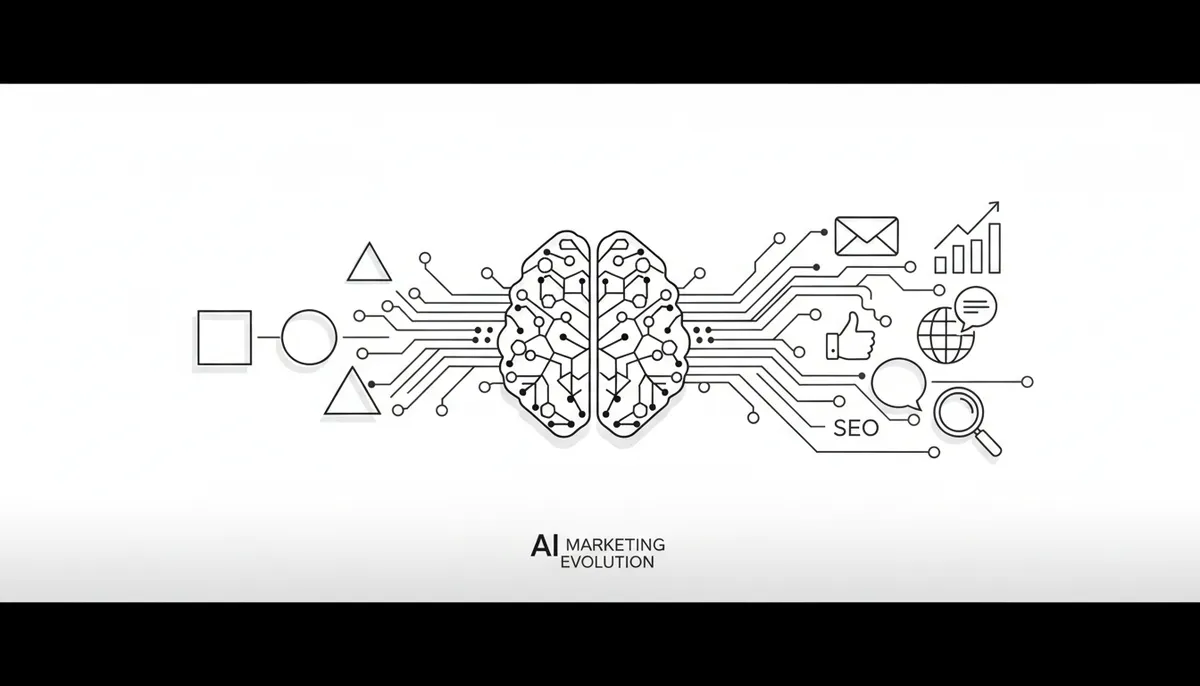
Unlocking potential with AI marketing automation
Unlocking Potential with AI Marketing Automation AI marketing automation transforms how companies approach SEO by streamlining content creation, automating...
Unlocking Potential with AI Marketing Automation
AI marketing automation transforms how companies approach SEO by streamlining content creation, automating keyword research, and optimizing campaigns in real-time. This technology enables marketers to reduce manual tasks by 30-60% while improving organic traffic and conversion rates through intelligent automation systems.
The marketing landscape has reached a turning point. Traditional automation tools that follow preset rules are giving way to intelligent systems that think, adapt, and optimize independently. For ambitious digital marketers managing SEO content production, this shift represents both opportunity and necessity.
Marketing teams today face unprecedented pressure. Content demand continues rising while resources remain constrained. Manual processes that once worked for smaller content volumes now create bottlenecks that prevent scaling. AI marketing automation addresses these challenges by handling repetitive tasks while enabling marketers to focus on strategic decisions that drive growth.
The results speak for themselves. According to Digital Applied's 2026 report, autonomous AI systems deliver an average ROI of 171% with 74% of executives achieving returns within the first year. This performance stems from AI's ability to process vast amounts of data, identify patterns humans miss, and execute complex workflows without constant supervision.
1. The Evolution of Marketing Automation with AI
Marketing automation has undergone a fundamental transformation. What began as simple email sequences and basic workflows has evolved into sophisticated AI systems capable of managing entire marketing campaigns autonomously. This evolution represents more than technological advancement—it's a complete reimagining of how marketing operations function.
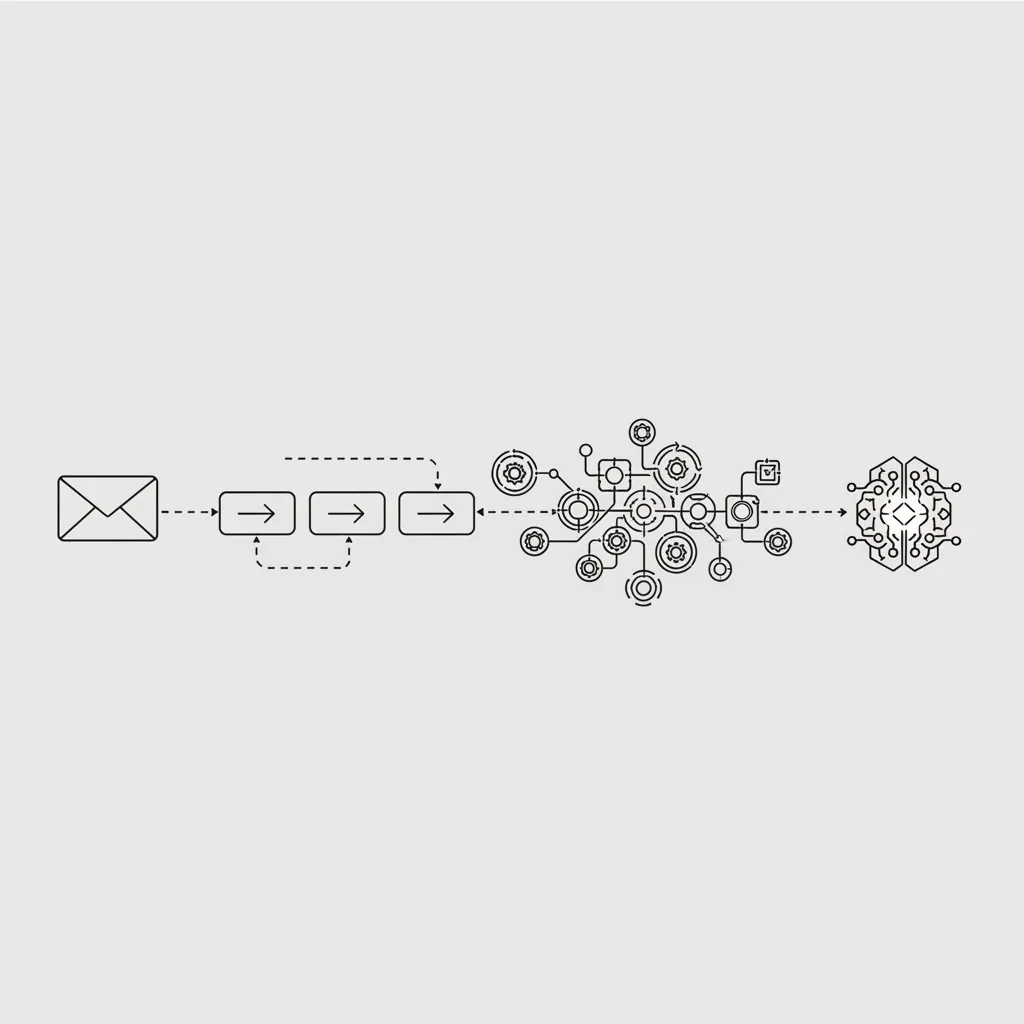
Traditional marketing automation relied on if-then logic and predetermined rules. Marketers would set up workflows based on specific triggers and hope their assumptions about customer behavior remained accurate. While these systems provided some efficiency gains, they lacked the flexibility to adapt to changing market conditions or unexpected user behaviors.
Modern AI marketing automation operates differently. These systems analyze real-time data, learn from campaign performance, and adjust strategies automatically. Instead of following rigid rules, they make intelligent decisions based on current conditions and predictive models. This shift enables marketing teams to respond to opportunities and challenges at machine speed rather than human pace.
The impact on daily operations is profound. Marketing teams report spending significantly less time on routine tasks like keyword research, content optimization, and performance reporting. AI marketing automation handles these processes continuously, freeing marketers to focus on strategic planning, creative development, and relationship building.
Understanding AI's Role in Marketing Automation
AI transforms marketing automation through three core capabilities: pattern recognition, predictive analysis, and autonomous decision-making. These capabilities work together to create systems that don't just execute predefined tasks but actively improve campaign performance over time.
Pattern recognition allows AI systems to identify trends and correlations across massive datasets. For SEO content marketing, this means automatically discovering which topics resonate with target audiences, which content formats drive engagement, and which optimization techniques improve search rankings. The system learns from every piece of content published and every user interaction recorded.
Predictive analysis takes this understanding further by forecasting future outcomes based on current data. AI marketing automation can predict which keywords will become competitive, which content topics will trend, and which optimization strategies will yield the best results. This foresight enables proactive rather than reactive marketing strategies.
Autonomous decision-making completes the transformation by enabling systems to act on insights without human intervention. When AI identifies an optimization opportunity or detects a performance issue, it can implement solutions immediately rather than waiting for manual review and approval.
2. Enhancing SEO Strategies Through AI Automation
SEO has become increasingly complex as search engines evolve and user behavior shifts. AI marketing automation addresses this complexity by automating technical optimization tasks while providing strategic insights that human analysts might miss. The result is more effective SEO strategies executed with greater consistency and precision.
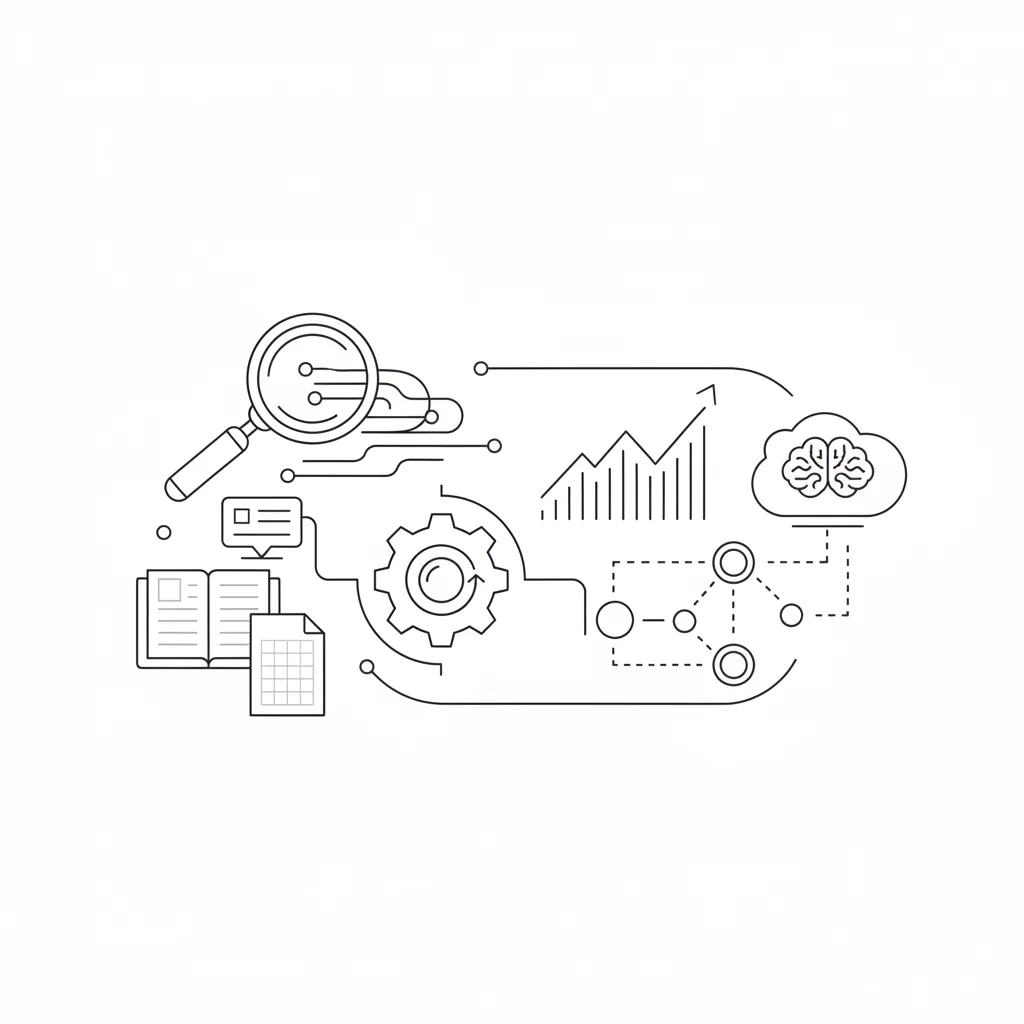
Content optimization represents one of the most impactful applications of AI marketing automation in SEO. Traditional optimization required manual keyword research, competitor analysis, and content adjustments based on best practices. AI systems now handle these tasks automatically, analyzing search results in real-time and adjusting content to match current ranking factors.
According to Boltic's analysis, teams using AI SEO workflows achieve up to 40% cost reduction compared to manual research methods while seeing 25% organic traffic increases. These improvements stem from AI's ability to process larger datasets and identify optimization opportunities humans typically overlook.
AI marketing automation also excels at identifying content gaps and emerging trends. By analyzing search query data, competitor content, and user behavior patterns, these systems can predict which topics will become important before they reach peak competition. This predictive capability enables marketers to create content for emerging opportunities rather than chasing established trends.
Technical SEO benefits significantly from automation as well. AI systems can monitor site performance continuously, identify technical issues, and implement fixes automatically. Schema markup, internal linking, and site structure optimization all become automated processes that maintain technical excellence without requiring constant manual attention.
AI-Driven Keyword Research and Analysis
Keyword research has transformed from a periodic planning activity into a continuous optimization process. AI marketing automation systems analyze search patterns constantly, identifying new keyword opportunities and adjusting targeting strategies based on performance data.
Modern AI systems don't just find keywords—they understand search intent and user context. This deeper understanding enables more sophisticated targeting strategies that align content with user needs rather than simply matching search terms. The result is content that satisfies user intent more effectively and achieves better search rankings.
Competitive analysis becomes automated as well. AI systems monitor competitor content strategies, identify successful approaches, and suggest improvements to existing content. This continuous competitive intelligence ensures marketing strategies remain current and competitive without requiring manual research.
3. Case Studies Showcasing AI Marketing Automation Success
Real-world implementations of AI marketing automation demonstrate the technology's practical impact across different industries and business models. These case studies reveal both the potential benefits and the strategic approaches that drive success.
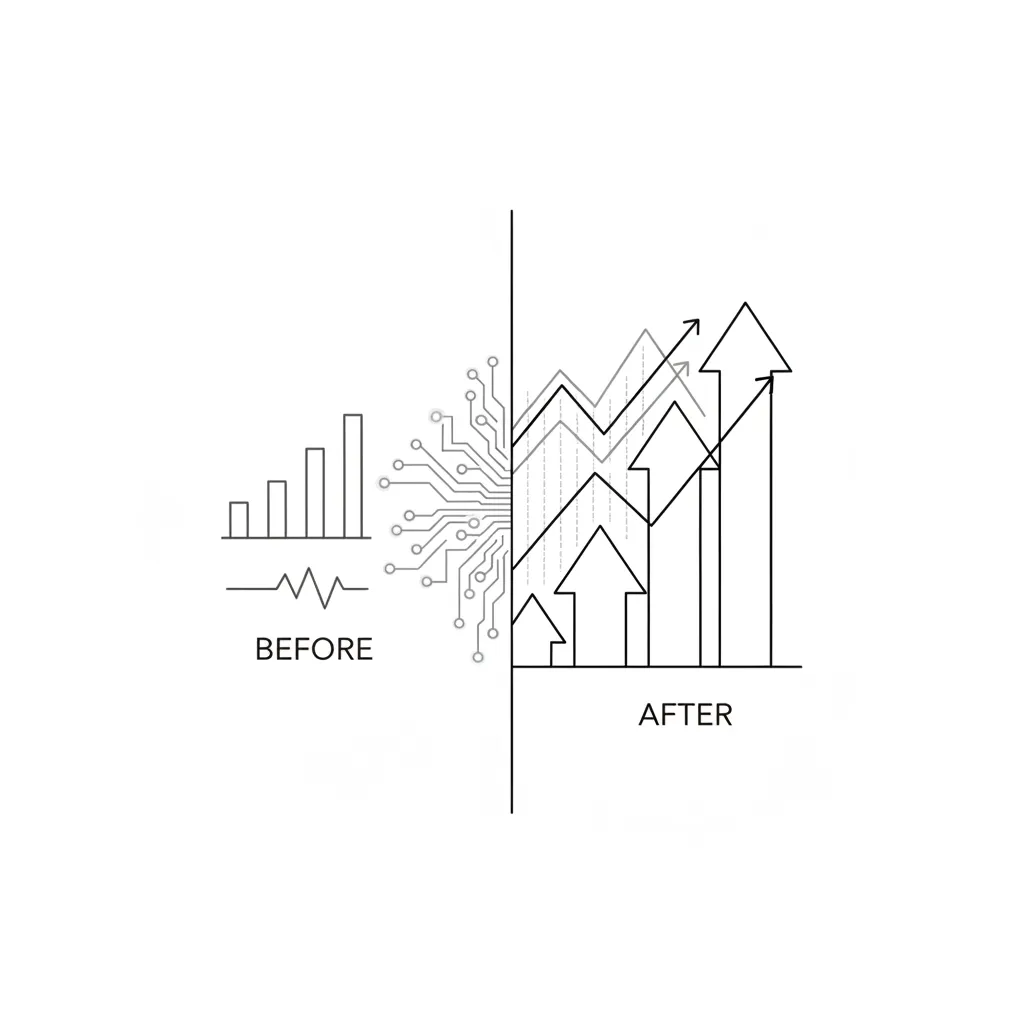
A leading SaaS company specializing in project management software implemented AI marketing automation to scale their content marketing efforts. Previously, their team of five content marketers could produce approximately 20 high-quality articles per month while maintaining SEO best practices. The manual process involved extensive keyword research, competitor analysis, and optimization reviews that consumed significant time.
After implementing AI marketing automation, the same team increased output to 60 articles per month while improving average search rankings by 35%. The AI system handled keyword research, content briefs, and initial optimization automatically. Content creators focused on strategic messaging, brand voice, and creative elements while the AI managed technical optimization.
An online store selling outdoor equipment faced challenges scaling product content for thousands of SKUs. Manual content creation couldn't keep pace with inventory growth, leaving many products with minimal descriptions that performed poorly in search results. Their AI marketing automation implementation focused on product content optimization and category page development.
The results exceeded expectations. Content creation time decreased by 40% while organic traffic increased by 60% within six months. The AI system generated optimized product descriptions, identified cross-selling opportunities, and created category content that improved site-wide search performance. Revenue from organic search increased by 45% as better content drove higher conversion rates.
Success Story: Online Store Transformation
The outdoor equipment online store's transformation demonstrates how AI marketing automation can address specific company challenges beyond simple efficiency gains. Their implementation included several key components that contributed to success.
First, the AI system analyzed existing high-performing product pages to understand successful content patterns. This analysis revealed specific features, benefits, and technical specifications that resonated with customers and performed well in search results. The system then applied these insights across the entire product catalog.
Second, dynamic content optimization enabled real-time adjustments based on search performance and user behavior. Product descriptions evolved automatically as the AI learned which messaging drove conversions and which technical details improved search rankings. This continuous optimization maintained content relevance without requiring manual updates.
Customer engagement metrics improved significantly alongside search performance. Time on page increased by 25% as better content provided more relevant information. Cart abandonment rates decreased as product descriptions better matched customer expectations. These improvements demonstrated that AI marketing automation benefits extend beyond SEO to overall business performance.
4. Key Features of Effective AI Marketing Automation Tools
Selecting the right AI marketing automation platform requires understanding which features drive meaningful results versus those that simply add complexity. Effective AI marketing automation tools share several characteristics that enable successful implementations across different business contexts.
Scalability represents the most critical feature for growing companies. AI marketing automation tools must handle increasing content volumes, more complex optimization requirements, and expanding keyword portfolios without performance degradation. The best platforms grow with companies rather than requiring replacement as needs evolve.
Integration capabilities determine how well AI marketing automation fits into existing workflows. Platforms that connect seamlessly with content management systems, analytics tools, and marketing platforms enable smoother implementations and better data flow. This connectivity ensures AI insights inform all marketing activities rather than operating in isolation.
| Feature | Importance | Impact on Results |
|---|---|---|
| Autonomous Content Optimization | Critical | 30-60% task reduction |
| Real-time Performance Monitoring | High | 25% faster optimization cycles |
| Multi-platform Integration | High | 40% workflow efficiency gain |
| Predictive Analytics | Medium | 15% better content performance |
Learning capabilities distinguish advanced AI marketing automation from basic automation tools. Systems that improve performance over time provide compounding value as they accumulate data and refine their understanding of what works for specific companies. This continuous learning ensures strategies remain effective as markets evolve.
User interface design affects adoption rates and long-term success. Complex platforms that require extensive training often fail to achieve their potential because team members avoid using advanced features. The most effective AI marketing automation tools balance powerful capabilities with intuitive interfaces that encourage regular use.
Transparency in AI decision-making builds trust and enables optimization. Platforms that explain their recommendations and show the data behind their decisions help marketers understand and improve their strategies. This transparency also ensures compliance with brand guidelines and business objectives.
Evaluating AI Marketing Automation Solutions
Selecting the right AI marketing automation platform requires systematic evaluation of capabilities, costs, and cultural fit. The most successful implementations result from thorough assessment processes that consider both technical requirements and organizational readiness.
Technical evaluation should focus on core capabilities rather than feature lists. The platform's ability to understand your specific industry, integrate with existing tools, and scale with growth plans matters more than having numerous features you won't use. Pilot programs provide valuable insights into real-world performance before making significant commitments.
Cost analysis must consider total value rather than just licensing fees. Platforms that reduce manual work hours, improve content performance, and enable faster scaling often justify higher costs through productivity gains and revenue improvements. Industry analysis shows that comprehensive AI marketing automation platforms typically achieve positive ROI within 6-12 months.
Vendor support and training resources significantly impact implementation success. Platforms backed by strong support teams and comprehensive training programs enable faster adoption and better results. The complexity of AI marketing automation makes ongoing support particularly valuable during the first year of use.
Implementing AI Marketing Automation: Best Practices
Successful AI marketing automation implementations follow proven patterns that maximize benefits while minimizing disruption to existing operations. These best practices emerge from analyzing both successful deployments and common implementation challenges.
Start with clear objectives and success metrics before selecting platforms or designing workflows. AI marketing automation can address many different challenges, but trying to solve everything simultaneously often leads to unfocused implementations that deliver mediocre results across multiple areas rather than excellent results in key areas.
Phased rollouts reduce risk and enable learning. Begin with one content type or marketing channel, achieve measurable success, then expand to additional areas. This approach builds confidence, develops expertise, and provides case studies that support broader adoption within the organization.
Data quality preparation ensures AI systems have the information they need to make intelligent decisions. Clean, well-organized historical data about content performance, keyword rankings, and user behavior provides the foundation for effective AI marketing automation. Investing time in data preparation before implementation pays dividends in system performance.
Team training and change management determine long-term success. AI marketing automation changes how marketing teams work, requiring new skills and different approaches to familiar tasks. Organizations that invest in training and support change management achieve better adoption rates and superior results.
Continuous monitoring and optimization maintain performance over time. AI marketing automation systems require ongoing attention to ensure they align with business objectives and market changes. Regular performance reviews and strategy adjustments keep systems operating at peak effectiveness.
The Future of AI Marketing Automation
AI marketing automation continues evolving rapidly, with new capabilities emerging that will further transform how marketing teams operate. Understanding these trends helps organizations prepare for future opportunities and make platform decisions that remain relevant as technology advances.
Multi-agent architectures represent the next evolution in AI marketing automation. Instead of single systems handling all tasks, specialized AI agents will collaborate on complex marketing challenges. One agent might focus on content creation while another handles optimization and a third manages distribution. This specialization enables more sophisticated strategies and better results.
Conversational AI integration will transform how marketers interact with automation systems. Natural language interfaces will enable marketers to request analyses, adjust strategies, and review performance using everyday language rather than learning complex interfaces. This accessibility will accelerate adoption and enable more sophisticated use cases.
Predictive capabilities will become more sophisticated as AI systems access larger datasets and develop better understanding of market dynamics. Future AI marketing automation will predict content needs months in advance, identify emerging trends before competitors notice them, and automatically adjust strategies based on predicted market changes.
Real-time personalization at scale will enable marketing content that adapts automatically to individual user preferences and behaviors. AI marketing automation will create personalized content experiences without requiring manual segmentation or rule-based customization. This capability will dramatically improve engagement rates and conversion performance.
Cross-platform intelligence will connect marketing automation with sales, customer service, and product development data. This broader perspective will enable AI systems to optimize marketing strategies based on complete customer lifecycle understanding rather than just marketing metrics. The result will be more effective strategies that align with overall business objectives.
Privacy-first automation will address increasing data protection requirements while maintaining personalization capabilities. Future AI marketing automation platforms will deliver personalized experiences using anonymized data and privacy-preserving techniques. This evolution ensures compliance with evolving regulations while preserving marketing effectiveness.
The transformation of marketing through AI automation represents both opportunity and necessity for modern companies. Organizations that embrace these technologies thoughtfully will gain significant competitive advantages in efficiency, effectiveness, and market responsiveness. Those that delay adoption risk falling behind as AI marketing automation becomes the standard approach to content marketing and SEO optimization.
For ambitious digital marketers seeking to scale their SEO content production, AI marketing automation offers a path to achieving growth objectives without proportional increases in manual effort. The technology enables teams to focus on strategic decisions while AI handles execution, optimization, and continuous improvement.
Success requires selecting the right platform, implementing thoughtfully, and maintaining focus on business objectives rather than technology features. When done well, AI marketing automation transforms marketing operations from reactive task management to proactive strategy execution that drives measurable business growth.
AutoRanq exemplifies this transformation by providing autonomous AI systems that handle complex content workflows while enabling marketers to focus on strategic decisions. The platform's ability to identify opportunities, automate audits, and optimize content in real-time demonstrates how AI marketing automation can accelerate strategy implementation with fewer errors and better results.
The future belongs to marketing teams that successfully combine human creativity and strategic thinking with AI execution and optimization capabilities. AI marketing automation provides the foundation for this combination, enabling unprecedented scale and effectiveness in content marketing and SEO optimization.
Key takeaways for implementing AI marketing automation:
- AI marketing automation reduces manual tasks by 30-60% while improving content performance and search rankings
- Successful implementations start with clear objectives and phased rollouts rather than attempting to automate everything simultaneously
- Integration capabilities and scalability matter more than feature counts when selecting platforms
- Multi-agent architectures and real-time personalization represent the future of marketing automation technology
- Organizations that combine human strategy with AI execution gain significant competitive advantages in efficiency and effectiveness
Ready to transform your marketing operations with intelligent automation? Explore how AutoRanq's AI-powered platform can elevate your content strategy and accelerate your path to SEO success through autonomous systems that think, plan, and execute complex workflows independently.