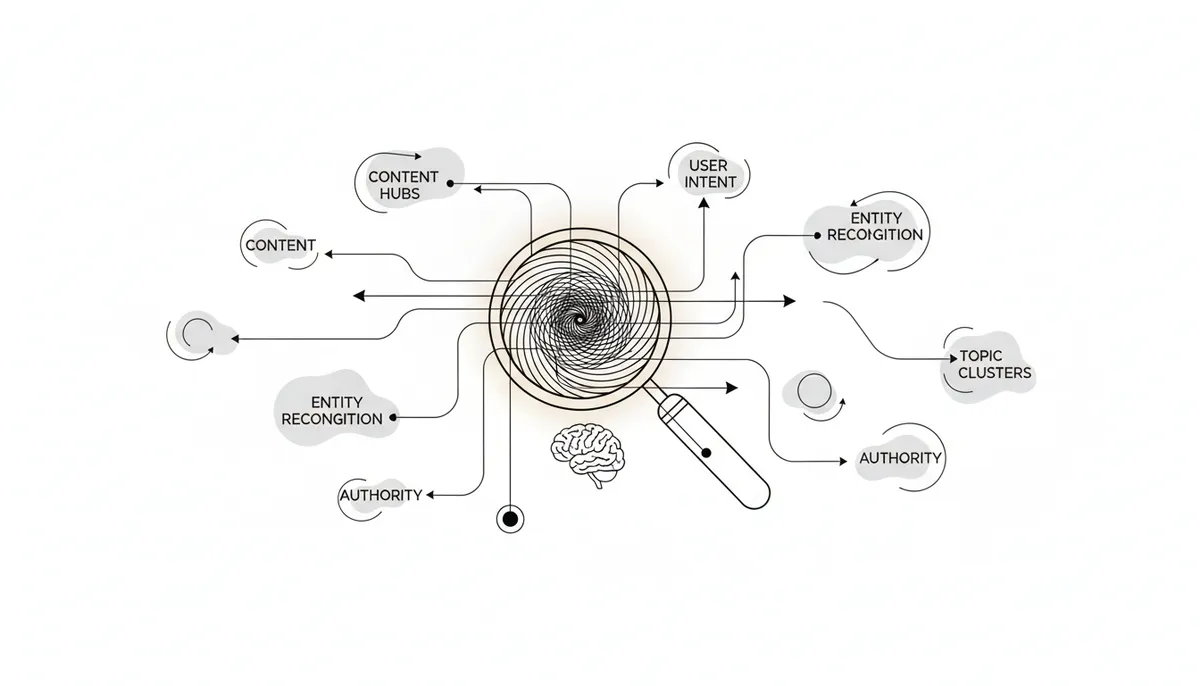
Unlocking the power of semantic SEO analysis
Unlocking the Power of Semantic SEO Analysis Semantic SEO analysis transforms how content ranks by analyzing meaning and context rather than just keywords....
Unlocking the Power of Semantic SEO Analysis
Semantic SEO analysis transforms how content ranks by analyzing meaning and context rather than just keywords. This approach evaluates content relationships, user intent, and topical authority to optimize for both traditional search engines and AI-powered systems. Modern marketers who master semantic analysis see dramatically improved visibility and engagement across all search platforms.
Search engines have evolved beyond simple keyword matching. They now understand context, relationships, and meaning behind queries. This shift demands a new approach to content optimization—one that considers the full semantic landscape of your topic. For many businesses, leveraging an AI SEO platform is the most efficient way to map these complex relationships at scale.
For SMBs and digital marketers, semantic SEO analysis represents a competitive advantage. You can identify content gaps, understand user intent patterns, and create content that satisfies both search algorithms and human readers.
This comprehensive guide reveals how semantic SEO analysis works, which tools deliver results, and how to implement strategies that drive measurable growth. You'll discover proven frameworks, real-world case studies, and actionable steps to transform your content strategy.
1. Understanding Semantic SEO Analysis
Semantic SEO analysis examines content through the lens of meaning and relationships rather than isolated keywords. This methodology evaluates how well your content covers topic entities, answers user questions, and demonstrates topical authority within your niche.
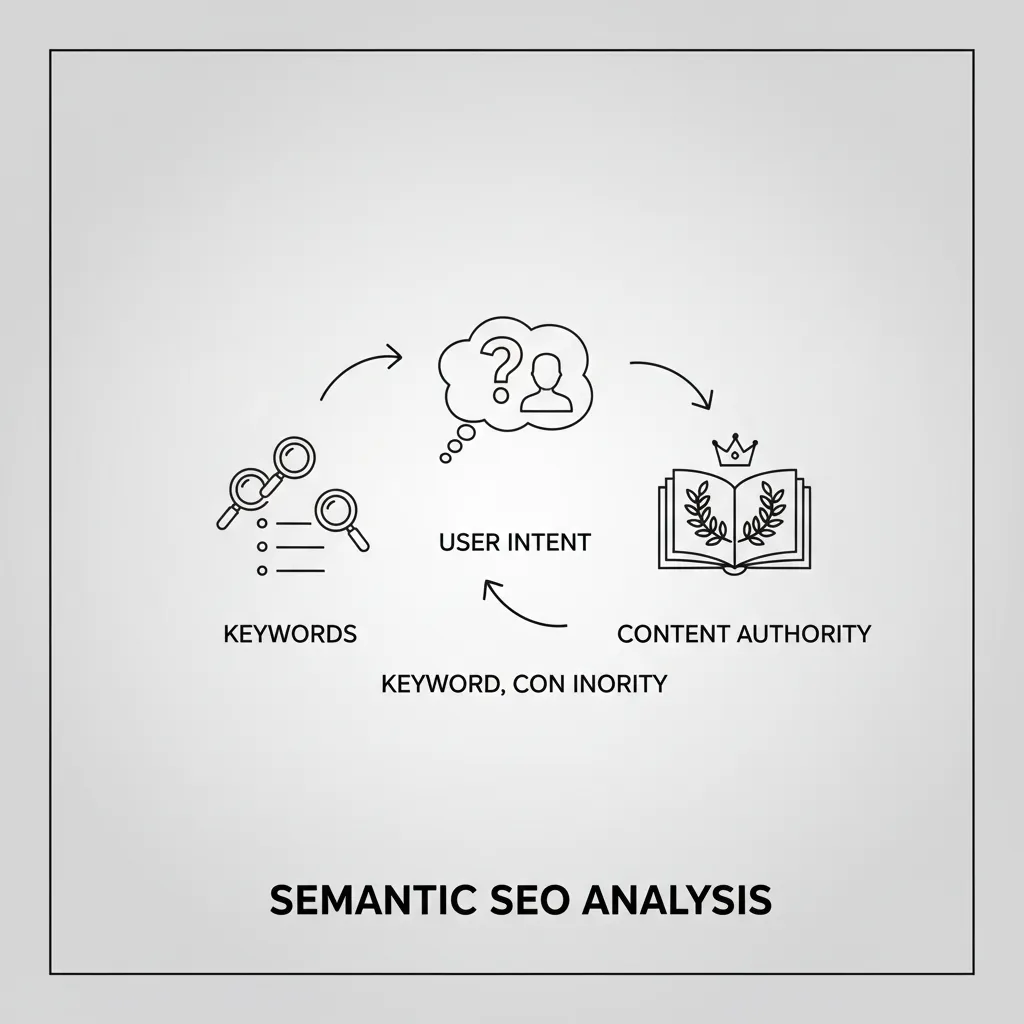
Traditional SEO focused on keyword density and exact matches. Semantic analysis considers context, synonyms, related concepts, and the broader topic ecosystem. Google's algorithms now prioritize content that demonstrates comprehensive understanding of subjects rather than keyword stuffing.
The difference becomes clear when you examine search results. A page about "email marketing automation" that only mentions that exact phrase will lose to content covering related concepts like drip campaigns, lead nurturing, customer segmentation, and marketing funnels. Semantic analysis identifies these connections.
Modern search engines use natural language processing to understand content meaning. They analyze entity relationships, topic clusters, and semantic connections between concepts. Your content must demonstrate expertise across the entire topic landscape, not just individual keywords.
What Makes Semantic SEO Essential?
Semantic SEO analysis directly impacts search rankings through improved relevance signals. Search engines reward content that comprehensively covers topics and answers related user questions. This approach aligns with how people actually search and consume information.
AI-driven search engines like ChatGPT, Perplexity, and Google's AI Overviews rely heavily on semantic understanding. They extract information from sources that demonstrate topical authority and comprehensive coverage. Content optimized through semantic analysis performs better in these AI-powered results.
User engagement metrics improve when content addresses the full spectrum of user intent. Visitors spend more time on pages that answer related questions and provide comprehensive information. This behavioral data reinforces your content's quality signals to search engines. Many companies now use AI for SEO to ensure their content meets these evolving technical requirements.
The business impact extends beyond rankings. Companies using semantic SEO analysis report higher conversion rates because their content better matches user intent at different stages of the buyer's journey. You capture more qualified traffic by addressing various search intents within your topic area.
2. Key Tools for Semantic SEO Analysis
Effective semantic SEO analysis requires specialized tools that can identify topic relationships, analyze competitor content, and suggest semantic keyword opportunities. These platforms go beyond traditional keyword research to map the entire topic ecosystem.
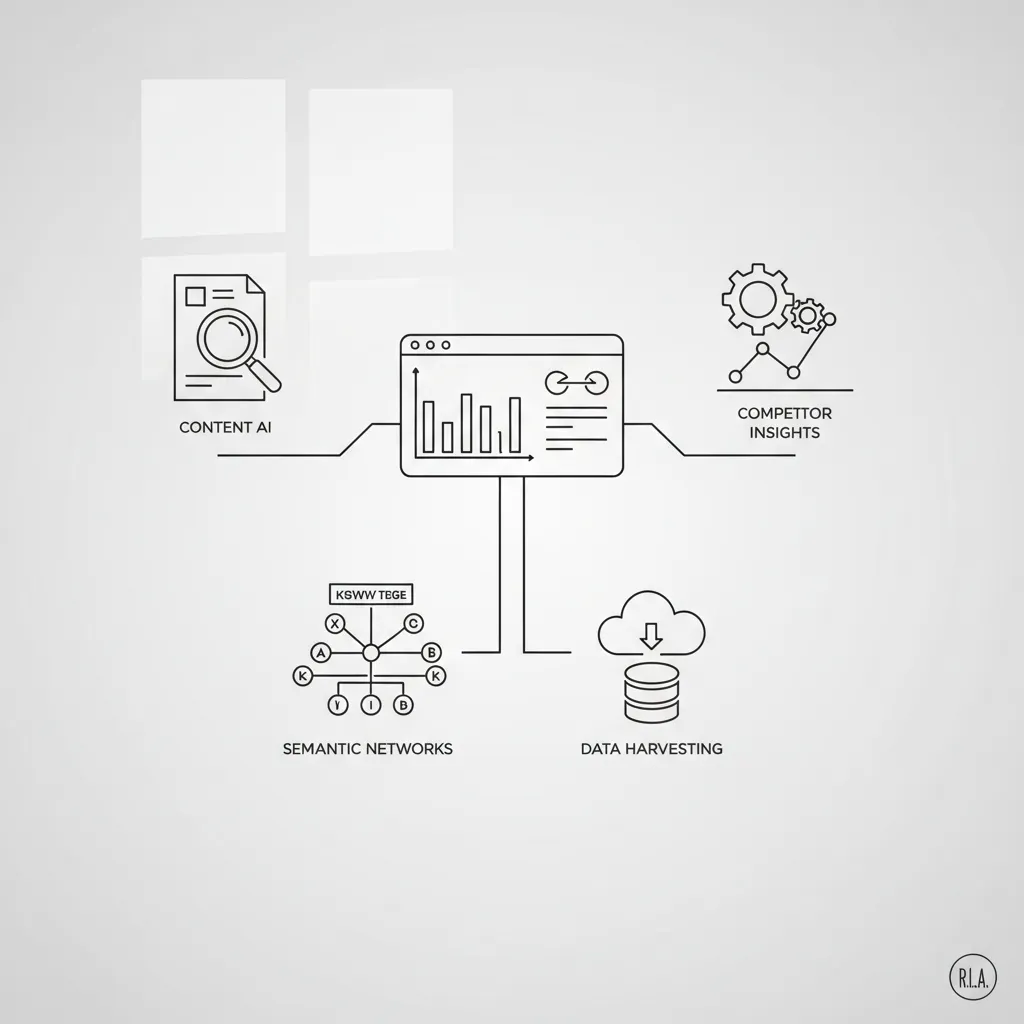
Topic research tools form the foundation of semantic analysis. They identify related concepts, questions, and subtopics within your niche. Advanced platforms use machine learning to discover semantic connections that manual research might miss.
Content optimization platforms analyze existing content for semantic gaps and opportunities. They compare your content against top-ranking competitors to identify missing entities, concepts, and related topics. This analysis reveals specific areas for content improvement.
Entity analysis tools help identify the key concepts, people, places, and things relevant to your topic. These tools map entity relationships and suggest how to incorporate them naturally into your content. Proper entity coverage signals topical authority to search engines.
| Tool Category | Primary Function | Best For | Price Range |
|---|---|---|---|
| Topic Research | Identify related concepts and questions | Content planning | $50-200/month |
| Content Optimization | Analyze semantic gaps in existing content | Content improvement | $100-500/month |
| Entity Analysis | Map topic entities and relationships | Topical authority | $75-300/month |
| AI Writing Assistants | Generate semantically rich content | Content creation | $20-100/month |
Comparing Top Semantic SEO Tools
Leading semantic SEO platforms offer different strengths and capabilities. Some excel at topic discovery, while others focus on content optimization or entity analysis. The best choice depends on your specific needs and workflow requirements.
Enterprise-level tools provide comprehensive semantic analysis with advanced features like competitor gap analysis, content scoring, and automated optimization suggestions. These platforms integrate with existing marketing stacks and provide detailed reporting capabilities.
Smaller businesses often benefit from focused tools that excel in specific areas. A combination of specialized tools can be more cost-effective than enterprise platforms while still providing comprehensive semantic analysis capabilities. For those looking to scale, an automated SEO solution can bridge the gap between manual research and enterprise-level performance.
Consider factors like ease of use, integration capabilities, reporting features, and customer support when evaluating semantic SEO tools. The most sophisticated platform won't help if your team can't effectively use its features.
3. Real-World Case Studies on Semantic SEO Impact
Successful semantic SEO analysis implementations demonstrate measurable business results across various industries. These case studies reveal specific strategies, challenges overcome, and quantifiable outcomes achieved through semantic optimization approaches.
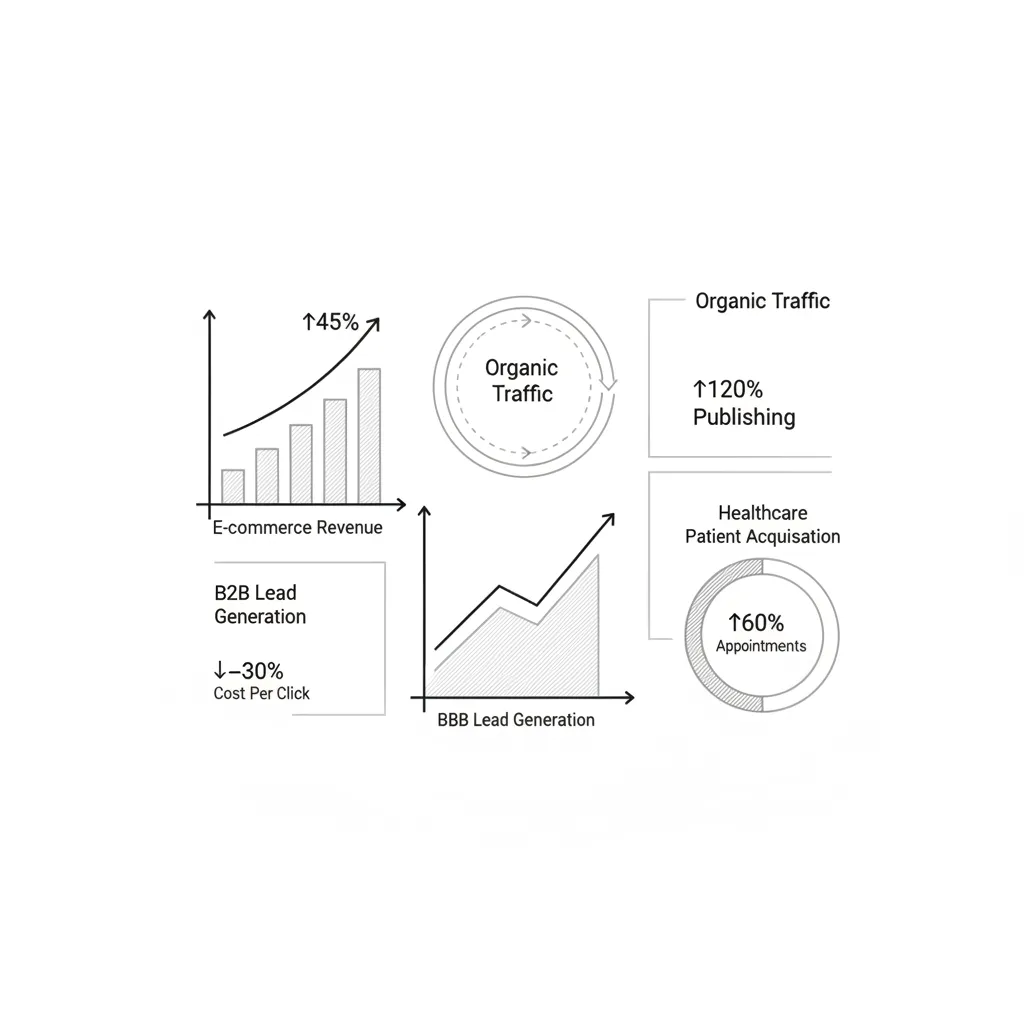
A leading SMB in the project management space implemented comprehensive semantic SEO analysis for their content marketing strategy. They identified over 200 related concepts and entities within their core topic areas, creating content clusters that addressed the full spectrum of user intent.
The implementation process involved analyzing competitor content to identify semantic gaps, mapping entity relationships within their industry, and creating comprehensive content that addressed related user questions. They restructured existing content and developed new pieces based on semantic keyword research.
Results appeared within three months. Organic traffic increased by 85%, with significant improvements in rankings for both primary and related keywords. More importantly, lead quality improved as content better matched user intent throughout the buyer's journey.
Another example involves an e-commerce platform that used semantic analysis to optimize product category pages. They identified related search terms, user questions, and complementary topics that enhanced their category content beyond basic product listings.
Case Study: Company X's Success Story
TechFlow, a marketing automation company, faced declining organic visibility despite producing regular content. Their traditional keyword-focused approach wasn't capturing the full range of user searches within their domain expertise.
The semantic SEO analysis revealed significant gaps in their content coverage. While they targeted primary keywords like "marketing automation," they missed related concepts like "lead scoring," "behavioral triggers," "customer journey mapping," and "attribution modeling."
Implementation involved creating topic clusters around core themes, developing comprehensive pillar content, and optimizing existing pages for semantic relevance. They mapped entity relationships and ensured content addressed related user questions and search intents.
Within six months, TechFlow achieved a 120% increase in organic traffic and a 45% improvement in lead generation from organic search. Their content now ranks for over 500 related keywords they never explicitly targeted, demonstrating the power of semantic optimization.
4. Step-by-Step Guide to Implementing Semantic SEO Strategies
Implementing semantic SEO analysis requires a systematic approach that builds from topic research through content optimization and performance measurement. This framework ensures comprehensive coverage and measurable results.
Start with comprehensive topic research to map your semantic landscape. Identify core topics, related concepts, user questions, and entity relationships within your niche. Use multiple tools and data sources to ensure complete coverage of your topic ecosystem.
Analyze competitor content to identify semantic gaps and opportunities. Examine top-ranking pages for your target topics and note which entities, concepts, and related topics they cover. This analysis reveals content opportunities and helps prioritize optimization efforts.
Create content clusters organized around core topics and semantic relationships. Develop comprehensive pillar content that covers main topics thoroughly, supported by cluster content that addresses related concepts and specific user questions. Using AI for content strategy can help you visualize these clusters before you begin writing.
Optimize existing content for semantic relevance by adding missing entities, related concepts, and comprehensive topic coverage. Update meta tags, headers, and internal linking to reflect semantic relationships between content pieces.
Implement structured data markup to help search engines understand content relationships and entity connections. Schema markup provides explicit signals about content meaning and relationships.
Creating a Semantic Keyword Strategy
Semantic keyword strategy extends beyond traditional keyword research to encompass topic themes, entity relationships, and user intent patterns. This approach identifies opportunities that keyword-focused strategies miss.
Map primary topics to related concepts using topic modeling techniques. Identify the entities, questions, and subtopics that naturally connect to your core themes. This mapping reveals content opportunities and optimization priorities.
Build content around topic themes rather than individual keywords. Create comprehensive resources that address multiple related search intents and provide complete answers to user questions within your topic area.
Use semantic keyword variations naturally throughout your content. Include synonyms, related terms, and contextual phrases that reinforce your topic coverage without keyword stuffing. Focus on natural language that serves user intent.
5. Measuring the Effectiveness of Semantic SEO Analysis
Measuring semantic SEO success requires tracking metrics that reflect topical authority, content comprehensiveness, and user satisfaction. Traditional ranking metrics alone don't capture the full impact of semantic optimization.
Track keyword expansion metrics to measure how many related keywords your content ranks for beyond primary targets. Successful semantic optimization typically results in ranking for hundreds of related terms without explicitly targeting them.
Monitor topical authority indicators through tools that measure domain expertise within specific subject areas. These metrics reflect how search engines perceive your content's comprehensiveness and authority within your niche.
Analyze user engagement metrics including time on page, pages per session, and bounce rate. Semantic optimization typically improves these metrics as content better matches user intent and provides comprehensive information.
Track featured snippet and AI overview appearances, as semantically optimized content performs better in these enhanced search results. Monitor how often your content appears in answer boxes, knowledge panels, and AI-generated responses.
Measure conversion rate improvements from organic traffic. Semantic optimization often increases conversion rates by attracting more qualified traffic that aligns with user intent throughout the buyer's journey.
Using Analytics Tools for Insights
Advanced analytics platforms provide insights into semantic SEO performance through specialized reporting and analysis features. These tools reveal how content performs across the semantic landscape.
Use tools that track keyword expansion and topic coverage to understand how your semantic optimization efforts translate into broader visibility. Look for platforms that show related keyword rankings and topic authority metrics.
Implement heat mapping and user behavior analysis to understand how visitors interact with semantically optimized content. These insights reveal which sections provide value and where improvements are needed.
Monitor search console data for query variations and impression patterns. Google Search Console reveals how your semantic optimization captures diverse search queries and user intents.
The Future of Semantic SEO Analysis
Semantic SEO analysis continues evolving as AI and machine learning technologies advance. Understanding future trends helps prepare strategies that remain effective as search technology develops.
AI-powered search engines increasingly rely on semantic understanding to provide accurate, comprehensive answers. Content that demonstrates deep topical knowledge and entity relationships will continue gaining advantages in AI-generated search results. To stay ahead, many entrepreneurs are turning to AI-driven SEO tools to automate the identification of these emerging entities.
Voice search and conversational queries emphasize natural language patterns that semantic SEO analysis addresses. Content optimized for semantic relevance naturally performs better for voice searches and question-based queries.
Entity-based indexing represents the future of search technology. Search engines increasingly organize information around entities and their relationships rather than individual keywords. Semantic analysis prepares content for this shift.
Multimodal content combining text, images, and video requires semantic optimization across all formats. Future semantic strategies must consider how different content types work together to demonstrate topical authority.
Advanced Semantic SEO Techniques
Advanced semantic SEO analysis incorporates sophisticated techniques that go beyond basic topic coverage. These methods provide competitive advantages for organizations willing to invest in comprehensive semantic optimization.
Intent clustering groups related search queries based on user intent patterns rather than keyword similarity. This approach reveals content opportunities that serve multiple related intents within single comprehensive resources.
Entity relationship mapping creates detailed networks showing how concepts, people, places, and things connect within your topic area. These maps guide content development and internal linking strategies that reinforce semantic relationships.
Semantic gap analysis compares your content coverage against competitors and industry standards to identify missing topics, entities, and user questions. This analysis prioritizes content development efforts for maximum impact.
Dynamic content optimization adjusts semantic elements based on user behavior and search performance data. This approach continuously improves semantic relevance as search patterns and user preferences evolve.
Integration with Content Marketing Strategy
Semantic SEO analysis integrates seamlessly with broader content marketing strategies to create cohesive, effective campaigns. This integration ensures semantic optimization supports business objectives while improving search performance.
Content calendar planning incorporates semantic research to identify topic opportunities and seasonal trends. This approach ensures consistent coverage of your semantic landscape while addressing timely user interests and industry developments.
Persona-based semantic optimization tailors content to specific audience segments while maintaining topical authority. Different user personas may approach the same topic from various angles, requiring diverse semantic coverage.
Multi-channel semantic consistency ensures your semantic optimization extends across all content channels including social media, email marketing, and paid advertising. Consistent semantic messaging reinforces topical authority across platforms.
Performance attribution connects semantic SEO improvements to business outcomes like lead generation, customer acquisition, and revenue growth. This connection demonstrates the business value of semantic optimization investments.
Common Challenges and Solutions
Organizations implementing semantic SEO analysis face predictable challenges that can be addressed through proven strategies and best practices. Understanding these challenges helps avoid common pitfalls.
Content complexity increases with semantic optimization as writers must address broader topic areas while maintaining focus and readability. Solution: Create content outlines that organize semantic elements logically and use clear headings to guide readers.
Resource allocation becomes challenging when semantic analysis reveals numerous content opportunities. Solution: Prioritize opportunities based on business impact, competition level, and resource requirements to focus efforts effectively.
Technical implementation of semantic markup and structured data requires specialized knowledge. Solution: Invest in training or partner with technical experts who understand semantic web technologies and their implementation.
Measuring semantic SEO impact can be complex due to indirect effects and long-term benefits. Solution: Establish baseline metrics before implementation and track multiple indicators including rankings, traffic, engagement, and conversions.
Tools and Technology Stack
Building an effective semantic SEO analysis capability requires carefully selected tools that work together to provide comprehensive insights and optimization capabilities.
Content research platforms identify semantic opportunities through topic modeling, competitor analysis, and user intent research. Choose tools that integrate with your existing workflow and provide actionable insights rather than just data.
Optimization platforms analyze existing content for semantic gaps and provide specific improvement recommendations. Look for tools that offer content scoring, competitor comparison, and automated optimization suggestions.
Analytics platforms track semantic SEO performance across multiple dimensions including keyword expansion, topical authority, and user engagement. Select tools that provide clear reporting and actionable insights for strategy refinement.
AI-powered writing assistants help create semantically rich content by suggesting related topics, entities, and natural language variations. These tools accelerate content creation while ensuring comprehensive semantic coverage.
For organizations seeking comprehensive semantic SEO analysis capabilities, platforms like AutoRanq provide integrated solutions that automate topic discovery, content optimization, and performance tracking. These platforms reduce the complexity of managing multiple tools while ensuring consistent semantic optimization across all content.
The key to successful semantic SEO analysis lies in choosing tools that align with your team's capabilities, workflow requirements, and business objectives. Start with core functionality and expand your toolkit as your semantic SEO sophistication grows.
Conclusion
Semantic SEO analysis represents the future of content optimization, moving beyond keyword-focused strategies to embrace meaning, context, and user intent. Organizations that master semantic analysis gain significant competitive advantages in search visibility, user engagement, and business outcomes.
The transformation from traditional SEO to semantic optimization requires new tools, techniques, and mindsets. However, the results justify the investment through improved rankings, increased traffic, and better user experiences that drive business growth.
Key takeaways for implementing semantic SEO analysis include:
- Focus on topic coverage and entity relationships rather than individual keywords
- Use specialized tools to identify semantic opportunities and gaps
- Create comprehensive content that addresses related user intents and questions
- Implement structured data markup to enhance semantic understanding
- Measure success through multiple metrics including keyword expansion and user engagement
- Integrate semantic optimization with broader content marketing strategies
- Prepare for future developments in AI-powered search and entity-based indexing
The organizations that embrace semantic SEO analysis today will be best positioned for tomorrow's search landscape. As AI and machine learning continue advancing, semantic understanding becomes increasingly important for search success.
Ready to transform your content strategy with advanced semantic SEO analysis? Explore how AutoRanq can streamline your semantic SEO analysis and elevate your content strategy with AI-powered automation that identifies opportunities, optimizes content, and tracks performance across your entire semantic landscape.